

Published Dec 08, 2025 | 8:00 AM ⚊ Updated Dec 08, 2025 | 8:04 AM

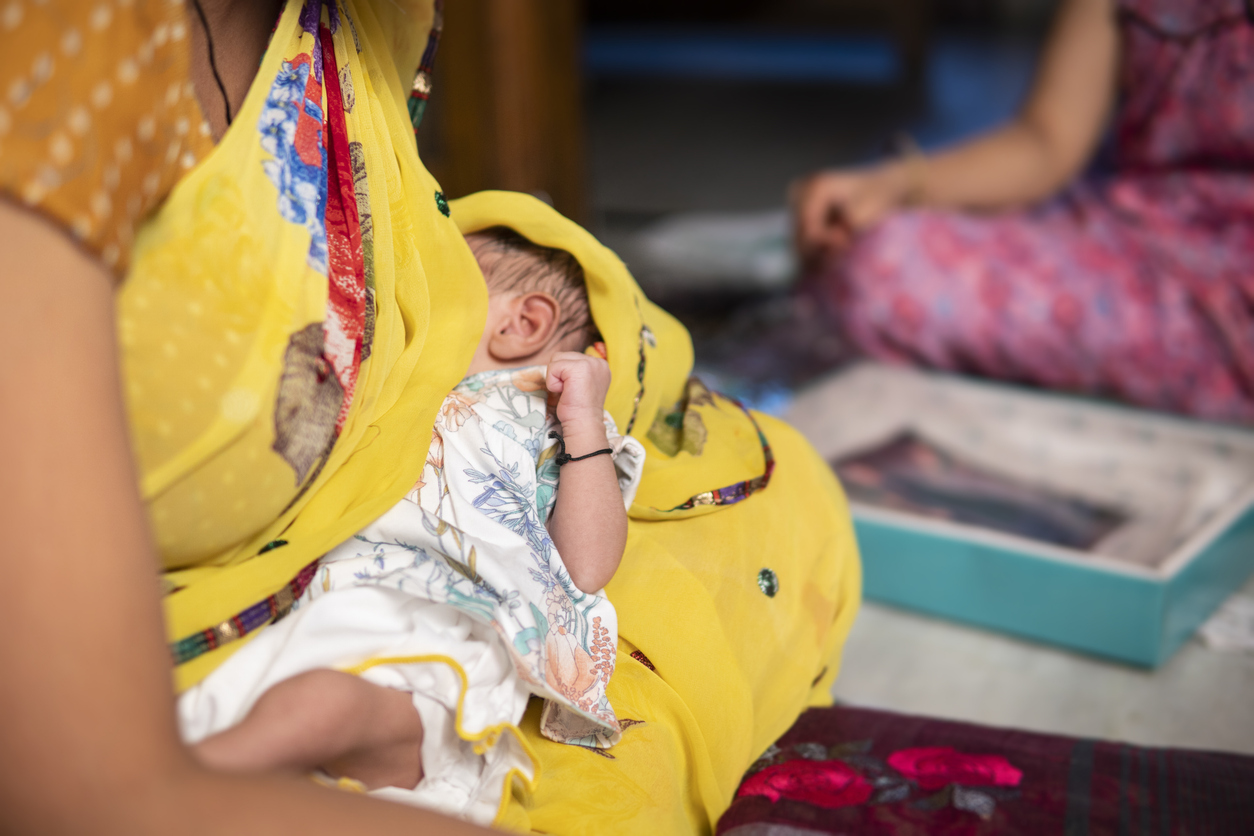
Representational image. Credit: iStock
Synopsis: Recent headlines on uranium in breastmilk alarmed parents, but the study found only trace, safe levels in mothers from high-groundwater areas. No harm was seen in babies. Experts and WHO stress: breastfeeding remains far safer than formula. The real concern is India’s unmonitored borewells, not breastmilk itself.
A headline that puts “uranium” and “breastmilk” together is enough to worry any parent. Recent studies have reported elevated uranium levels in groundwater across several districts, sometimes exceeding the WHO limit of 30 µg/L. Long-term exposure to high levels of uranium can affect bones, kidneys and potentially increase cancer risk. It can also bioaccumulate in the body — which is why researchers looked for its presence in breastmilk.
But the study that sparked the latest round of concern deserves a calmer reading. Its findings are not a reason to panic or to rethink breastfeeding. Instead, they highlight something we’ve known for years: many parts of India need better, more frequent water-quality checks.
Here are five key points parents should know:
Researchers did find small amounts of uranium in the breastmilk of mothers living in areas where groundwater naturally contains higher levels of the metal.
The important part: the concentrations detected were below permissible limits, meaning they are unlikely to pose a significant health risk.
What the study really points to is a broader problem — groundwater quality in some Indian districts needs consistent monitoring.
Uranium isn’t a factory by-product suddenly leaking into taps. It’s a naturally occurring element found in rocks and soil across India, especially in regions with granite-rich terrain.
Over time, it can seep into borewell water. With increasing dependence on deeper borewells and limited routine testing, families may be exposed without knowing it.
In other words: this is a water issue, not a breastfeeding issue.
Hearing that uranium was found in breastmilk can sound frightening, but the risk depends entirely on the amount.
Global guidelines suggest that the low levels detected in this study indicate exposure, not toxicity.
Although high uranium exposure has been linked to kidney problems and developmental issues, none of these were observed in the study’s 40 participating infants. There was no evidence of harm to the babies.
For parents, the message is straightforward:
The concern lies with water sources, not with breastfeeding itself.
No — and experts are clear about this.
WHO, UNICEF and the Indian Academy of Paediatrics all continue to recommend breastfeeding, even in regions where environmental contaminants exist. Breastmilk protects against infections, boosts immunity, and is often safer than formula, especially where water quality is uncertain.
The study also states that breastfeeding remains the best form of infant nutrition and should only be stopped for medical reasons — not because of alarming headlines.
Stopping breastfeeding out of fear could deprive the baby of vital nutrients and expose them to other health risks.
If you live in an area dependent on borewells or have concerns about water quality, a few practical steps can reduce exposure:
The headlines about uranium in breastmilk shouldn’t deter mothers from breastfeeding. The real issue here is the urgent need to improve groundwater monitoring and public health measures.
Parents should feel reassured: the benefits of breastfeeding far outweigh the theoretical risks posed by the low-level uranium exposure reported so far.
(Author is a Consultant – Obstetrics and Gynaecology, Narayana Health SRCC Children’s Hospital, Mumbai. Views are personal)


