

Published Jun 05, 2026 | 9:31 AM ⚊ Updated Jun 05, 2026 | 9:32 AM

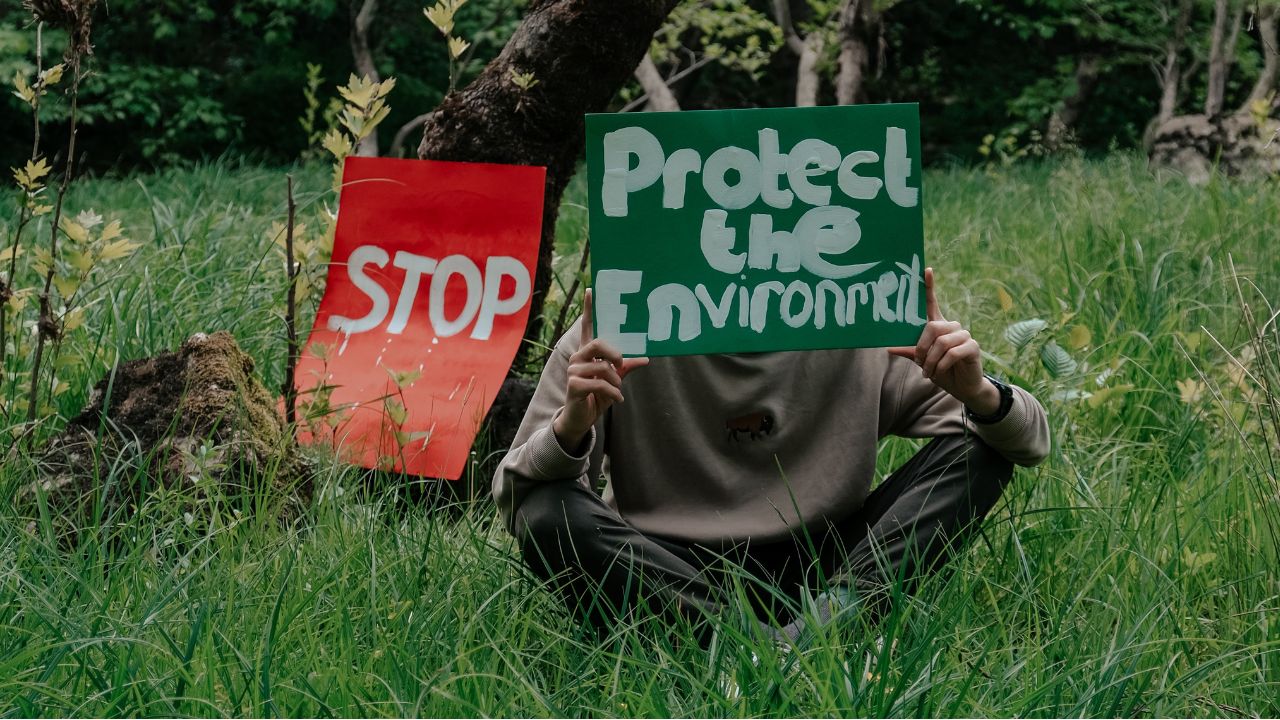
World Environment Day. Representative Image. (Creative Commons)

Synopsis: World Environment Day should not remain a symbolic annual event. It must become a movement that inspires year-round commitment to protecting our planet.
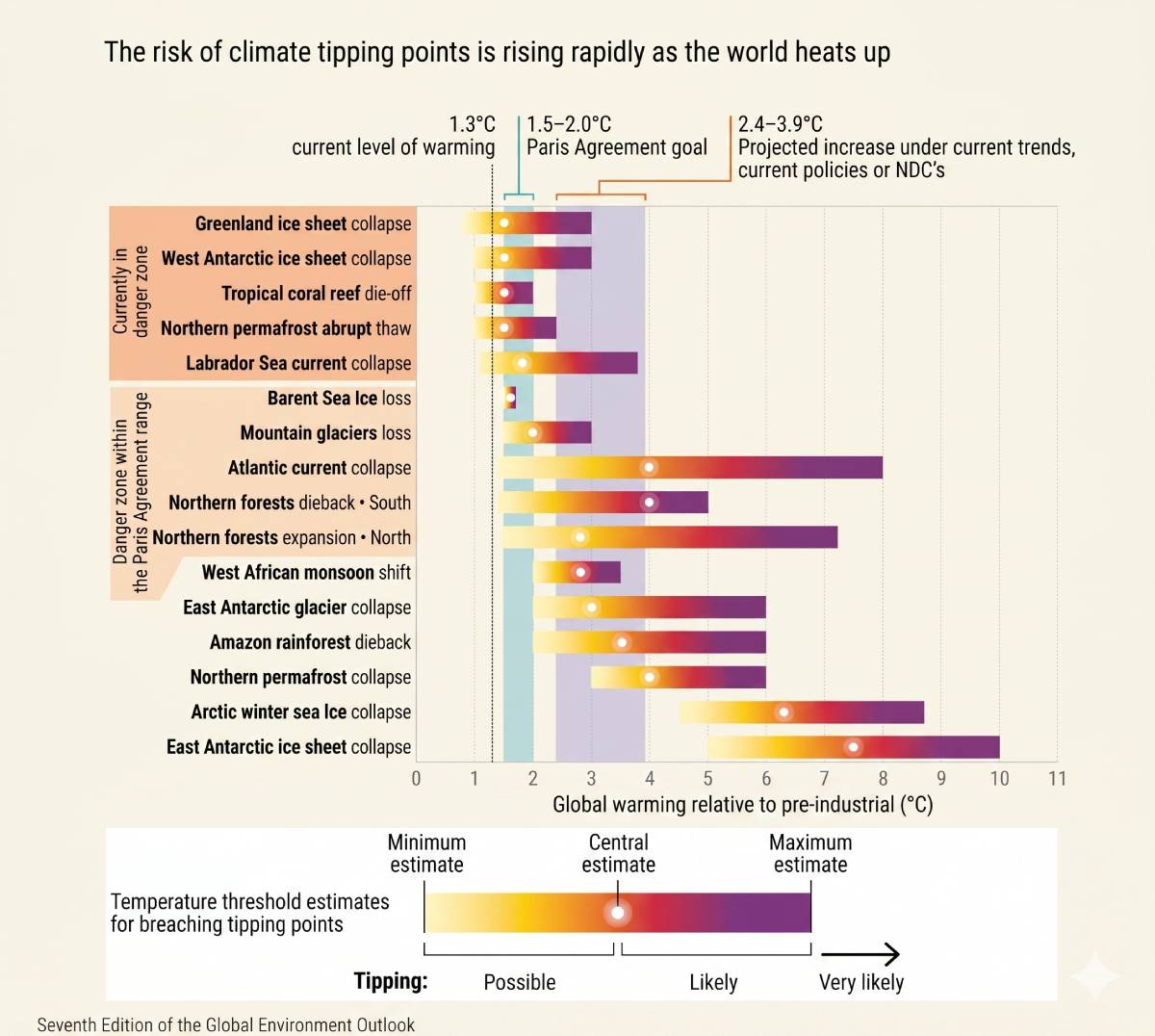
As the world observes World Environment Day on 5 June, humanity stands at a critical crossroads. Climate change, plastic pollution, biodiversity loss, deforestation, water scarcity, and extreme weather events are no longer distant warnings—they are unfolding realities affecting millions across the globe.
The Earth is witnessing unprecedented heat waves, floods, wildfires, droughts, and melting glaciers. According to the United Nations, the past decade has been the warmest ever recorded. Scientists warn that continued greenhouse gas emissions and unsustainable lifestyles could push ecosystems beyond recovery. Environmental degradation today is not merely an ecological issue; it is a public health emergency and a threat to global survival.
Among the gravest concerns is the alarming loss of biodiversity. The Intergovernmental Science-Policy Platform on Biodiversity and Ecosystem Services (IPBES) estimates that nearly one million plant and animal species are currently threatened with extinction, many within the coming decades. Forests, wetlands, coral reefs, mangroves, and grasslands that support life on Earth are shrinking rapidly due to human activities. The destruction of these ecosystems disrupts ecological balance, weakens natural resilience to climate change, and threatens food and water security for billions of people.
Plastic pollution has emerged as another global crisis. More than 400 million tonnes of plastic are produced worldwide each year, yet less than 10 per cent is recycled. Millions of tonnes of plastic waste enter oceans and rivers annually, harming marine life and contaminating food chains. Alarmingly, microplastics have now been detected in drinking water, agricultural soil, seafood, human blood, lungs, and even placental tissue. Their long-term effects on human health remain under investigation but are increasingly linked to inflammation, endocrine disruption, and chronic disease risks.
Environmental degradation is directly affecting human health. The World Health Organisation estimates that air pollution contributes to nearly seven million premature deaths annually worldwide. Rising temperatures are increasing the burden of heat-related illnesses, respiratory disorders, cardiovascular diseases, and vector-borne infections such as dengue and malaria. Climate change is also threatening food production and nutrition, particularly among vulnerable populations.
India too faces serious environmental challenges. Home to nearly 18 per cent of the world’s population but only about 4 percent of its freshwater resources, the country faces increasing pressure on natural ecosystems. Rapid urbanisation, shrinking green cover, polluted rivers, groundwater depletion, and growing waste generation threaten ecological stability. Climate variability is already affecting agriculture, livelihoods, and water availability across many regions.
The degradation of biodiversity has consequences far beyond the loss of wildlife. Pollinators such as bees, butterflies, birds, and bats contribute significantly to global food production. Their decline threatens agricultural productivity and food security. Healthy ecosystems also regulate climate, purify water, enrich soil fertility, and reduce the impact of floods and droughts. When nature’s balance is disturbed, human societies inevitably bear the consequences.
However, there is still hope if collective action begins now.
Also Read: Green massacre — India has diverted over 1.7 lakh hectares of forest land for infra projects
Governments alone cannot solve the crisis. Every citizen must become environmentally responsible. Reducing single-use plastics, conserving water and electricity, planting trees, protecting local biodiversity, practising waste segregation, promoting public transport, and supporting sustainable lifestyles are small yet powerful steps toward change.
Educational institutions, healthcare sectors, industries, and communities must actively participate in environmental awareness and conservation initiatives. Young people, especially, have the power to lead us to a greener future through innovation, advocacy, and responsible living.
World Environment Day should not remain a symbolic annual event. It must become a movement that inspires year-round commitment to protecting our planet. The environmental crisis is no longer about saving nature alone; it is about safeguarding human health, economic stability, and the future of civilisation itself.
Nature has always nurtured humanity selflessly. Today, it is our moral responsibility to protect and restore the environment before irreversible damage occurs. The future of generations to come depends on the choices we make today.
There is no Planet B.
Also Read: The ecological cost of Ganesh idol immersions on Chennai’s shores



