
Published Apr 23, 2026 | 9:33 PM ⚊ Updated Apr 24, 2026 | 7:42 AM

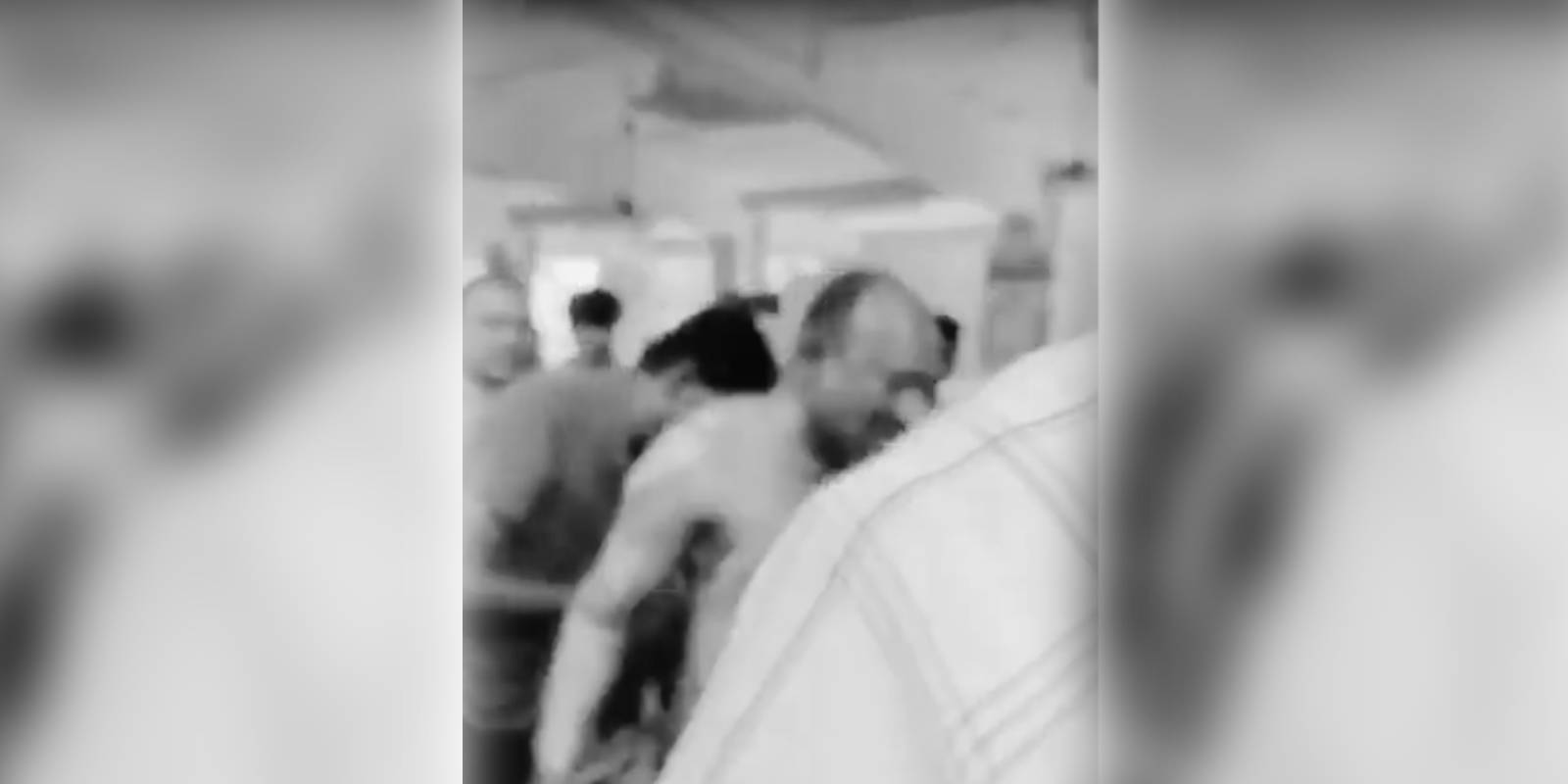
Three drivers attempt to die by suicide. (Screengrab)

Synopsis: The danger of self-immolation as a form of protest lies in its ability to shift the narrative. What begins as a movement centred on legitimate demands risks becoming overshadowed by the tragedy of the act itself. Public discourse tends to focus on the individual incident—its shock value, its emotional impact—rather than the structural problems that gave rise to it. In this sense, the very extremity of the protest can dilute the clarity of the cause.
Self-immolation is not a means to secure justice; it is a devastating indication that a section of society feels unheard, cornered, and pushed beyond endurance.
When workers entrusted with essential public services reach a point where despair overrides hope, it reflects not merely an industrial dispute but a deeper crisis of governance and responsiveness.
The tragedy involving RTC driver K Shankar Goud and others has cast a harsh light on the simmering discontent within the Telangana State Road Transport Corporation (RTC), raising urgent questions about how long-pending grievances are handled and how preventable anguish is allowed to escalate into irreversible loss.
Also Read: Three drivers attempt to die by suicide
The unrest among RTC employees did not emerge overnight. It is the culmination of years of accumulated frustration over unresolved demands, many of which have been repeatedly articulated through formal channels.
Drivers, conductors, and other staff have long argued that they operate under strenuous conditions—extended working hours, constant exposure to road risks, and mounting pressure to maintain schedules—without commensurate financial security or institutional support. Central to their demands is the long-standing call for merger with the state government, which they believe would provide stability in employment, improved pay scales, and assured post-retirement benefits on par with government employees.
While successive rounds of discussions have occasionally produced assurances, they have rarely translated into comprehensive solutions. This gap between promise and implementation has deepened a sense of distrust among employees. For many, the issue is no longer confined to wages or service conditions; it has become a question of dignity and recognition. When workers perceive that their contributions to public life are undervalued, frustration inevitably finds expression in collective action.
Strikes by RTC employees must be understood in this context. Far from being impulsive disruptions, they represent a last resort after prolonged attempts at negotiation have failed to yield meaningful outcomes. For daily-wage earners and salaried workers alike, going on strike entails high personal cost—loss of income, uncertainty about job security, and the strain of sustaining households without regular earnings. Yet, despite these hardships, employees have repeatedly chosen to protest, signalling the depth of their dissatisfaction.
It is against this backdrop that the self-immolation of Shankar Goud assumes profound significance. His act was not an isolated outburst but a tragic manifestation of collective despair. By taking such an extreme step, he sought to draw attention to the unresolved demands of his colleagues and to compel authorities to respond with urgency.
However, while such acts may momentarily galvanise public sympathy, they do not offer a sustainable path to achieving policy change. Instead, they leave behind grieving families, traumatised communities, and an unresolved set of issues that continue to fester.
The danger of self-immolation as a form of protest lies in its ability to shift the narrative. What begins as a movement centred on legitimate demands risks becoming overshadowed by the tragedy of the act itself. Public discourse tends to focus on the individual incident—its shock value, its emotional impact—rather than the structural problems that gave rise to it. In this sense, the very extremity of the protest can dilute the clarity of the cause.
At the same time, it would be a grave mistake to dismiss such acts as irrational or disconnected from reality. They are, in fact, the most intense expression of a breakdown in communication between the state and its workforce. When employees feel that their voices are repeatedly ignored or deferred, frustration can spiral into hopelessness. Preventing such outcomes requires more than reactive measures; it demands a proactive and empathetic approach to governance.
The responsibility, therefore, rests heavily on the state to rebuild trust and ensure that grievances are addressed in a timely and credible manner. Transparent dialogue, time-bound commitments, and consistent follow-through are essential to restoring confidence among workers. Equally important is the creation of institutional mechanisms that allow disputes to be resolved without resorting to prolonged strikes or extreme forms of protest. A system that listens, responds, and acts can prevent discontent from reaching a boiling point.
The RTC crisis is not merely an administrative challenge; it is a test of how a government engages with those who sustain its public services. Employees are not adversaries to be managed but stakeholders whose concerns merit serious consideration. Their demands, whether fully accepted or partially negotiated, must be addressed through a process that is fair, transparent, and respectful.
Shankar Goud’s suicide attempt should not fade into routine remembrance. It must serve as a stark reminder of the consequences of delayed action and fractured communication. The true tribute to his act would be a renewed commitment to resolving the issues that drove him to such despair, ensuring that no worker feels compelled to seek attention through self-destruction.
In the final analysis, self-immolation does not advance a cause; it exposes the urgency of addressing it. The path to resolution lies in dialogue, accountability, and humane governance—principles that must guide every effort to bridge the gap between the state and its workforce.
(Views are personal. Edited by Majnu Babu).



