

Published Mar 18, 2026 | 8:00 AM ⚊ Updated Mar 18, 2026 | 8:00 AM

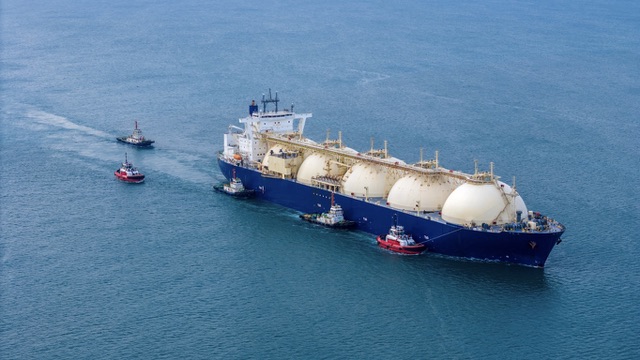
The LPG supply disruption is a reminder of a deeper vulnerability in India’s economy and its dependence on oil.
Synopsis: Over the past two decades, China has built extensive gas and oil pipeline networks connecting domestic fields and imports from Russia and Central Asia, allowing energy to flow steadily even during disruptions in maritime routes. India, by contrast, still depends largely on imported LPG transported by sea and distributed through cylinders, making its supply chain more vulnerable.
Though modern domestic life appears to be comfortably distant from war zones, the energy network quietly connects distant places.
We seldom acknowledge that the LPG cylinder that fuels Indian kitchens is part of a vast global network of oil extraction, shipping, finance and geopolitics, and that it takes only a spark in the Middle East to disturb the flame in an Indian kitchen.
When tensions escalate in the Persian Gulf, the consequences rarely remain confined to the specific battlefield. The current conflicts involving Iran, Israel, the Gulf states and the United States have already begun to affect global energy markets.
The supply chains and routes that carry oil and gas across the region are getting disrupted, especially the Strait of Hormuz, a narrow maritime corridor through which nearly one-fifth of the world’s petroleum passes every day.
This vulnerability is a reminder of a deeper vulnerability in India’s economy and its oil dependence. When global crude oil prices rise, the cost of every imported barrel rises as well. This means refiners pay more to bring crude into the country and process it into usable fuels.
And that is where the ripple effect begins. Higher crude costs eventually put pressure on the prices of petrol, diesel and LPG.
For countries that produce their own oil, the current geopolitical shock is somewhat cushioned. In a sense, the current energy crisis and price hikes are even beneficial for oil-exporting countries such as Saudi Arabia, the UAE, Kuwait, Qatar, Iraq and Russia, despite the fact that prolonged wars have a way of erasing all temporary gains.
For an oil-importing nation like India, the adverse impact is almost immediate, as we are experiencing now. A geopolitical shock thousands of kilometres away has become an inflationary concern at home. During the Russia-Ukraine war, global crude prices surged past $120 per barrel in 2022.
Within weeks, transport costs in India began rising, airlines raised ticket prices and logistics companies warned of higher air freight charges. Diesel too, which powers most of India’s trucks and agricultural machinery, became costlier. Farmers reported higher irrigation and harvesting costs, and vegetable prices rose in cities as transportation costs grew higher.
Fortunately, essential commodity prices are somewhat stabilised in the current scenario. However, the availability of cooking gas, used in millions of Indian households, has become a major concern today.
Of late, reports from several cities have pointed to delays in LPG cylinder deliveries and temporary shortages, particularly during periods of panic buying.
For families that rely on gas cylinders for daily cooking, even a short delay or price increase quickly becomes a matter of household budgeting and daily routine. Due to a shortage of gas cylinders, many restaurants are already on the verge of shutting down.
In times like this, a combination of moderation, cooperation and patience helps the supply system stabilise until normal shipments resume. If the crisis continues, communities such as apartment complexes, hostels and small eateries can explore shared or coordinated cooking to conserve fuel.
Being cautious about black-market purchases is also important because inflated demand can encourage hoarding and worsen shortages for others.
Instead of panic-booking multiple cylinders or hoarding fuel, households could try to reduce gas consumption through simple adjustments in daily cooking, such as using pressure cookers, preparing dishes that require less flame time, or occasionally relying on electric appliances like induction stoves or kettles.
Over the past two decades, China has built extensive gas and oil pipeline networks connecting domestic fields and imports from Russia and Central Asia, allowing energy to flow steadily even during disruptions in maritime routes.
India, by contrast, still depends largely on imported LPG transported by sea and distributed through cylinders, making its supply chain more vulnerable to shipping disruptions and geopolitical tensions around chokepoints such as the Strait of Hormuz.
It is important to consider options such as pipelines. They can move fuel through sealed, continuously monitored systems that reduce handling risks and accidents compared to road or tanker transport.
Furthermore, modern pipelines use advanced sensors, pressure monitoring, satellite tracking and automated shut-off systems to quickly detect leaks or disruptions.
In the long run, it is important to promote electric vehicles, renewable energy and alternative fuels, not just as environmental measures to reduce carbon emissions and combat climate change, but also as measures to enhance energy security.
Every solar park, wind farm and electric bus reduces the country’s dependence on imported oil.
For instance, the rapid expansion of solar parks across various states has enabled India to generate electricity domestically rather than rely on imported fossil fuels.
The push for electric buses in major cities is a good initiative. Every electric bus that replaces a diesel bus reduces the demand for imported oil.
Likewise, rooftop solar programmes or community-owned wind power reduce dependence on global fuel markets. Over time, these shifts can insulate the Indian economy from sudden geopolitical shocks, ensuring that events in distant oil-producing regions do not so easily translate into rising prices at home.
Of course, the transition will not happen overnight. The country’s transport sector, aviation industry and petrochemical manufacturing all depend heavily on petroleum products.
From tanker attacks in the Persian Gulf to wars in Eastern Europe, every geopolitical shock teaches the same lesson: dependence on external energy is vulnerability, and autonomy is the ethical imperative of our time. The more a nation relies on imported oil, the more its inflation, trade balance and household budgets are exposed to distant events beyond its control.
For India, expanding renewable energy, electrifying transport and diversifying energy sources is therefore not just climate policy. It is a form of self-defence from invisible attacks.
Energy humanities scholars emphasise the concept of the “energy unconscious”, a term associated with Imre Szeman, referring to the ways in which modern societies depend deeply on energy while rarely noticing or acknowledging its presence in everyday life.
Civic initiatives can play a crucial role in making energy use visible and fostering public awareness of its social and environmental implications.
Such initiatives may include public campaigns that highlight patterns of energy consumption and their climate impacts. There is a need for community workshops to promote energy literacy. Educational programmes in schools and universities can encourage a sense of “energy citizenship”.
A nuanced understanding of how deeply everyday life, from transportation to food production, is embedded in fossil-fuel systems can encourage people to think of conserving energy and to imagine a transition towards renewable sources.


