

Published Aug 07, 2026 | 3:36 PM ⚊ Updated Aug 07, 2026 | 6:09 PM

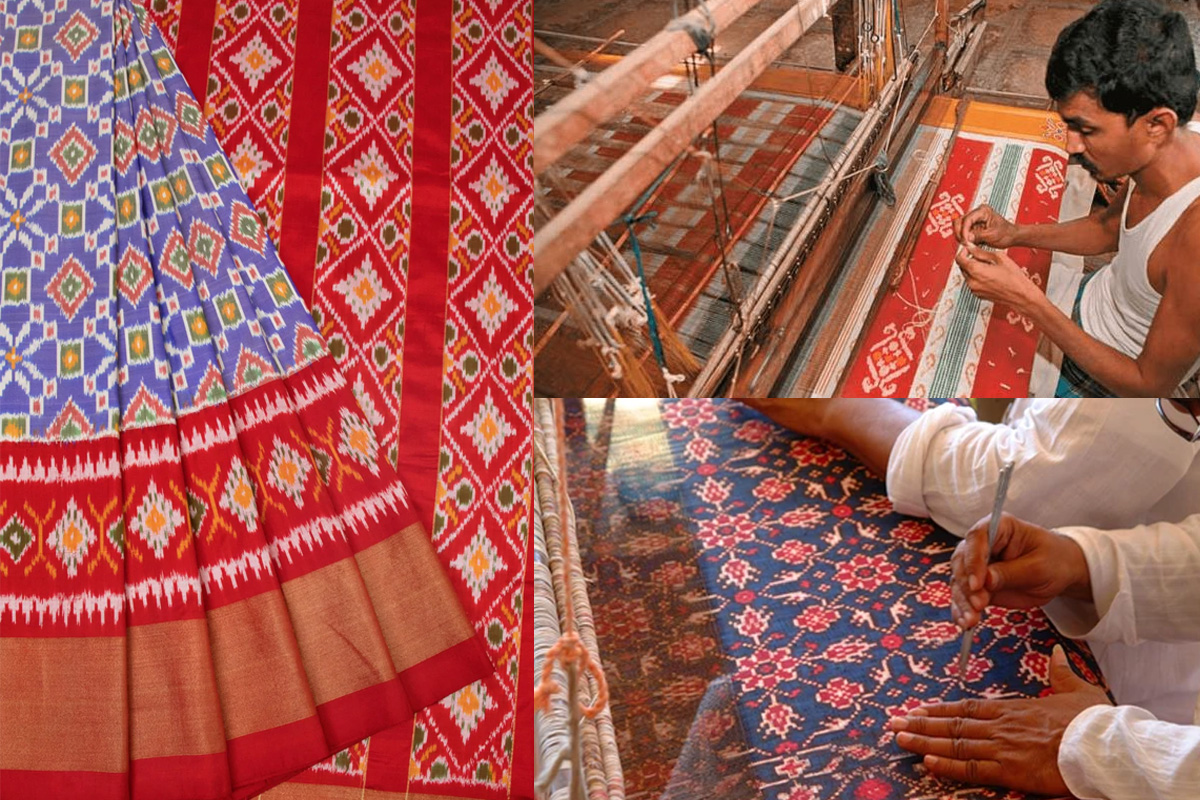
A weaver of Telangana's celebrated Pochampally Ikat. (Special Arrangement)

Synopsis: Nearly 60,000 people in Telangana depend on the handloom industry for their livelihoods today. In a state whose hand-woven textiles have earned national and international recognition, the government must do everything possible to make the profession economically viable.
The continuing distress among Telangana’s handloom weavers points to a deeper policy failure. Successive governments have introduced welfare schemes, subsidies and marketing initiatives, yet weaving remains an economically fragile occupation. The persistence of indebtedness, declining incomes and periodic reports of weaver suicides suggest that the sector’s problems are structural rather than temporary. The challenge today is not merely to preserve a traditional craft but to restore its economic viability.
Handloom weaving is woven into Telangana’s social and cultural fabric. The State’s celebrated textiles—Pochampally Ikat, Gadwal, Narayanpet, Siddipet Gollabhama and other distinctive weaves—have earned national recognition and found international markets. Several carry Geographical Indication (GI) tags, symbolising craftsmanship refined over generations. Yet the success of these products has rarely translated into financial security for the artisans who produce them. The value added through design, branding and retail far exceeds the earnings of the weaver at the loom.
The history of Sircilla remains a stark reminder of the consequences of prolonged neglect. During the handloom crisis of the late 1990s and early 2000s, nearly 270 weavers died by suicide in Sircilla Division, according to official records cited in academic studies, with almost 94 per cent of the deaths occurring in Sircilla Mandal. Those deaths were not isolated personal tragedies but the outcome of mounting debts, shrinking demand, rising input costs and the absence of institutional support. Although conditions have improved since then, reports of financial distress and fresh suicides continue to emerge, indicating that the vulnerabilities that produced the earlier crisis have not been fully addressed.
The latest figures underline the importance of the sector. According to the Fourth All India Handloom Census (2019-20), Telangana has 25,930 handloom weavers and 21,922 allied workers, with nearly 48,000 people directly dependent on handloom for their livelihoods. State estimates place the broader workforce, including ancillary occupations, at around 59,000. These numbers represent thousands of rural households whose incomes depend on an industry that has steadily lost its competitiveness.
The economic pressures confronting weavers are well known. The prices of cotton yarn, silk yarn, dyes and other raw materials have risen considerably over the years. Electricity charges, transportation costs and household expenses have also increased. However, the wages received by weavers have remained largely stagnant. A saree that requires several days of meticulous labour often fetches only a modest payment for the artisan, while intermediaries, wholesalers and retailers retain a substantial share of the final selling price. This imbalance between labour and reward lies at the heart of the sector’s distress.
Competition from powerlooms has further weakened the position of traditional weavers. Machine-made fabrics now imitate handloom designs with remarkable accuracy while being sold at much lower prices. Consumers are often unable to distinguish genuine handloom products from powerloom imitations. Weak enforcement against misuse of handloom labels, inadequate branding and fragmented marketing networks have made it increasingly difficult for artisans to secure fair returns for their work.
Income data illustrates the seriousness of the problem. National surveys indicate that nearly two-thirds of India’s handloom weavers earn less than ₹5,000 a month. Such incomes offer little scope for savings, education or investment in improved technology. Unsurprisingly, many young people from weaving families are leaving the profession for more stable employment in urban areas. As experienced artisans retire without successors, traditional weaving skills face gradual extinction.
Government intervention has undoubtedly prevented a deeper collapse. Telangana’s Chenetha Mitra scheme provides input support for yarn purchases, while Nethanna Bima offers insurance coverage to weavers’ families. At the national level, programmes such as the National Handloom Development Programme, marketing assistance and the India Handloom Brand initiative seek to improve market access and product visibility. These initiatives deserve recognition, but they have largely addressed symptoms rather than the underlying economic weaknesses of the sector.
The next phase of policy must therefore focus on competitiveness instead of dependence. Affordable access to quality raw materials through transparent procurement systems should become a priority. Institutional credit needs to replace informal borrowing, which continues to trap many weavers in cycles of debt. Cooperative societies must be modernised with professional management, improved working capital and stronger market linkages.
Equally important is reforming the marketing ecosystem. Digital commerce offers unprecedented opportunities for rural artisans to sell directly to consumers across India and abroad. Yet most weavers lack the digital skills, logistics and branding support necessary to benefit from these platforms. Producer-owned online marketplaces, traceability certificates linked to GI products and stronger partnerships with organised retail can ensure that a larger share of the final price reaches the artisan rather than intermediaries.
Public procurement can also play a transformative role. Government departments, schools, universities and public sector undertakings should substantially increase the use of certified handloom products for uniforms, ceremonial gifts and official events. Stable institutional demand would provide predictable employment while reinforcing confidence in the sector.
Handloom should also be recognised as an important component of sustainable development. Unlike large-scale textile manufacturing, handloom weaving consumes little electricity, generates minimal carbon emissions and supports decentralised rural employment. At a time when sustainable and ethical fashion is gaining global importance, Telangana’s weaving clusters possess a natural comparative advantage. They deserve strategic investment rather than periodic rescue.
The future of Telangana’s handloom sector depends less on preserving tradition than on restoring economic viability. Welfare measures will remain necessary, but they cannot substitute for reforms that improve productivity, market access and fair remuneration. The lessons of Sircilla remain relevant even today. A sector that once symbolised Telangana’s craftsmanship should not continue to symbolise rural distress. Reviving handloom requires treating it not as a welfare obligation but as an integral part of the State’s rural economy, cultural heritage and sustainable development strategy.
From our archives:
Woven in tradition, tangled in crisis: Looms in Kerala await an Onam revival
From thread to tower: How cities are unraveling traditional crafts
(Edited by R Rajesh Kumar.)



