
Published May 06, 2026 | 7:00 AM ⚊ Updated May 06, 2026 | 7:04 AM

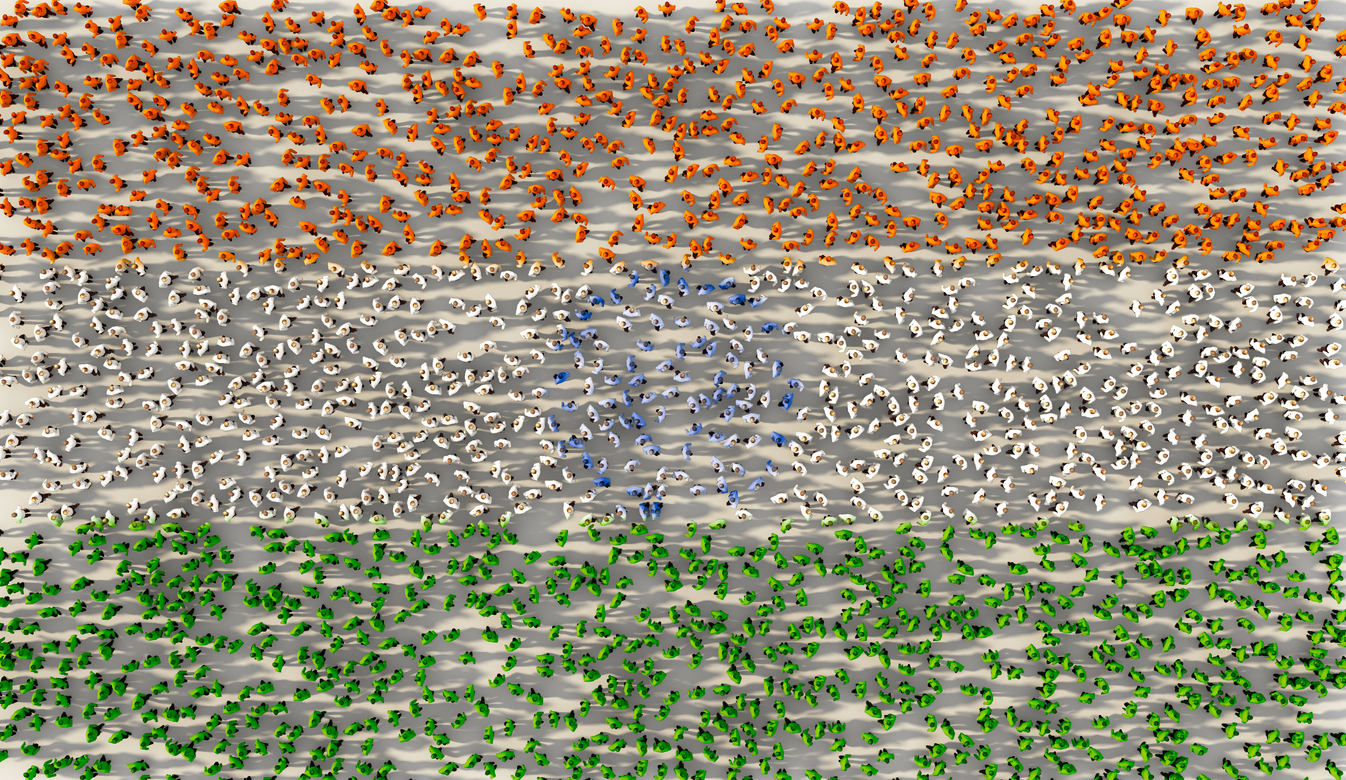
India's skewed population growth has implications for the South when it comes to delimitation. (iStock.jpg)

Synopsis: Striking off names from the electoral rolls during the SIR process, doubts over EVMs, and the planned delimitation of constituencies based on population have put the electoral process in the country under a cloud of doubt.
Counting has ended in the assembly elections in Assam, Kerala, Tamil Nadu, West Bengal and Puducherry. The results have brought big changes. The BJP has made strong gains in West Bengal and held its ground in Assam.
In Tamil Nadu, actor Vijay’s new party has emerged as the largest single party. Other alliances are forming governments in Kerala and Puducherry. Yet these outcomes have not brought peace. Fresh controversies have erupted over the electoral system. Many people now ask if the polls were fair. Questions swirl around the Special Intensive Revision of voter rolls, the coming delimitation exercise and doubts about Electronic Voting Machines.
The SIR exercise took place before these elections. The Election Commission called it a necessary cleanup. Officials said they removed fake, duplicate and dead voters. They also struck off the names of migrants and ineligible people.
In West Bengal alone, nearly nine million names were deleted. Similar large deletions happened in other states. The total number removed across states ran into crores. The Commission said this action protected “one person, one vote”. It stopped bogus voting, especially in border areas.
Opposition parties see a different story. They say the deletions hit the poor, migrants and minorities hardest. The process used old voter lists from 20 years ago. People had to show old documents like birth certificates. Many could not produce them easily. Families found that only some members were removed from the lists.
Restoration of names was slow. Critics claim deletions were higher in areas where opposition parties were strong. They call the SIR a hidden citizenship check. They fear it changed the voter base before polling. Civil society groups now demand a full public audit of the deletions. They want clear data on every constituency. The lack of open records has increased suspicion.
Also Read: Why Karnataka has decided to move away from EVMs
Delimitation is the next big worry. This process redraws constituency boundaries based on population. It has been frozen for decades to encourage smaller families. Now it will happen after 2026. Southern states like Tamil Nadu and Kerala controlled their population growth. They also grew economically. These states fear they will lose seats in Parliament. Northern states with more people will gain more seats. Leaders in the south call this unfair punishment. They say it ignores their success in family planning.
The BJP’s recent strong showing in eastern states has added to these fears. Many worry the new map will help one party dominate. It may also weaken the federal balance between states. Women’s reservation adds another layer to this debate. Without wide agreement and fair rules, delimitation risks splitting the country on regional lines.
EVM doubts have risen again after these results. Losing parties point to strange turnout numbers in some seats. They report machine glitches and demand full VVPAT checks. Some ask to go back to paper ballots.
The Election Commission and the Supreme Court have rejected these demands many times. They say EVMs use secure chips. They have many safety layers. Party agents and observers watch the process. No big tampering case has been proved in court. Yet questions remain. Critics say the audit trail is too limited. They want more open checks and faster data sharing. Even without proof of large-scale fraud, these repeated complaints hurt public faith. High voter turnout shows people still trust the system to some extent. But trust is not complete.
These three issues are linked. The SIR cleaned the rolls but may have excluded real voters on a large scale. Delimitation is needed for fair representation, but it can create new imbalances. EVMs have worked in many elections, yet need better proof of honesty. In these five states, the mandates have shifted. Winners celebrate. Losers question the process. This pattern weakens democracy.
Also Read: NDA’s push for delimitation fails
The Election Commission must act with more openness. It should release full deletion lists with reasons. It must make appeals simple and fast. It can allow wider independent checks on EVMs. The government should build consensus on delimitation. All parties need to join the conversation with facts instead of only accusations. Voters have given their verdict in large numbers. Their voice must remain pure.
India’s democracy is the largest in the world. It has shown great strength for decades. But strength depends on trust. Every eligible citizen must believe their name is on the roll. Every constituency must feel fairly drawn. Every vote must be counted honestly. Without these basics, even clear results lose their shine. The time has come for real reforms. Sunlight, simple rules and fair play can remove the shadows. Only then will future elections bring full confidence. The Republic needs this trust to stay strong.
(Views are personal. Edited by Majnu Babu).



