

Published Sep 29, 2026 | 8:15 AM ⚊ Updated Sep 29, 2026 | 8:23 AM

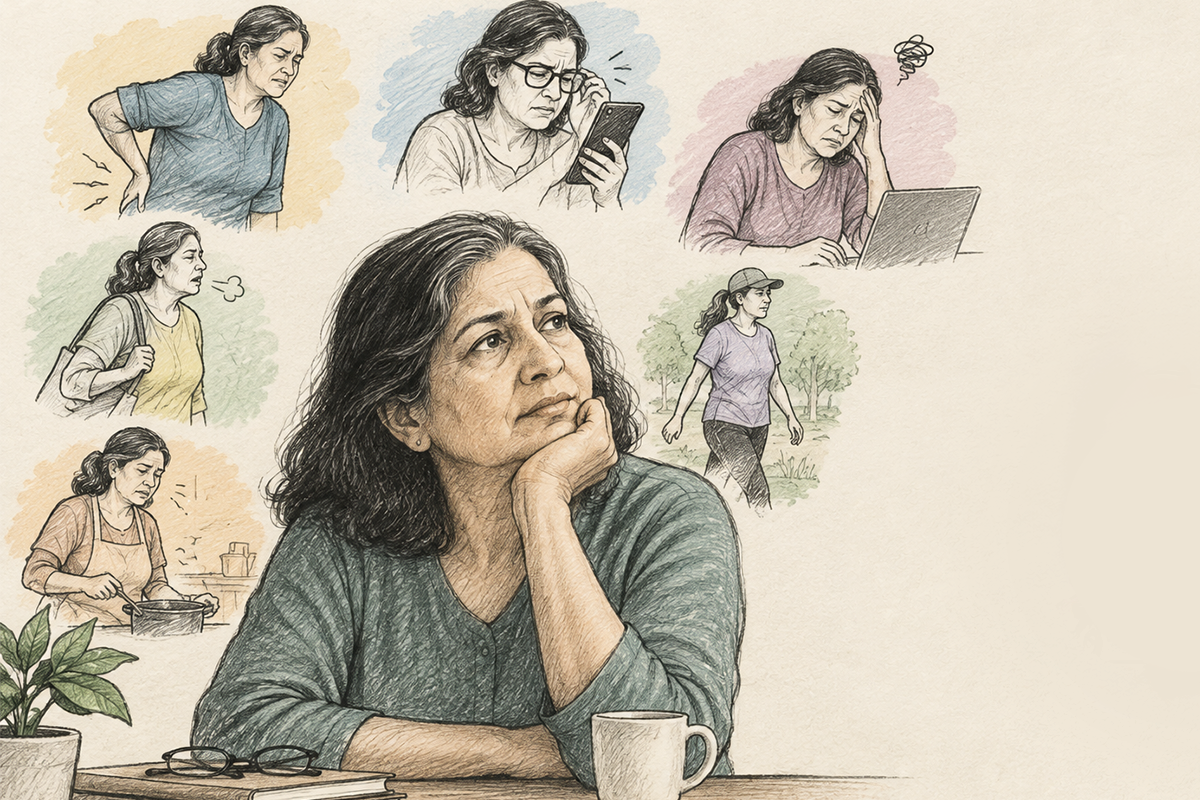

Synopsis: Not every physical change with age should be dismissed as normal. Breathlessness, unusual fatigue, dizziness or light-headedness, swelling in the feet or ankles, palpitations and a reduction in physical activity can be symptoms associated with several health conditions, including heart valve disease.
“It’s just age.”
It is one of the most common explanations for physical changes as people get older. Feeling more tired than usual? Age.
Becoming breathless after a short walk? Age.
Taking the lift instead of the stairs? Perhaps that is simply part of growing older.
Ageing is associated with several changes in the body. However, not every change in physical capacity should automatically be attributed to age. Persistent or unexplained symptoms can sometimes indicate an underlying health condition and should not be dismissed simply because they occur later in life.
A useful distinction is to consider whether a symptom is gradually becoming part of everyday life or whether it represents a noticeable change from an individual’s usual level of activity.
For example, someone who has always taken a morning walk may begin avoiding it because they become unusually tired. A person who once travelled regularly may start declining trips because they feel breathless. Someone who routinely climbed several flights of stairs may begin taking the lift, needing frequent breaks or avoiding physical activity altogether.
Because these changes can develop gradually, people may adjust their routines without recognising that their physical capacity has changed.
For adults aged 45 and above, this distinction is particularly important when symptoms are persistent, unexplained or progressively affecting daily activities. Breathlessness, unusual fatigue, dizziness or light-headedness, swelling in the feet or ankles, palpitations and a reduction in physical activity can be symptoms associated with several health conditions, including heart valve disease.
Heart valve disease occurs when one or more of the heart’s valves do not function properly, affecting the normal flow of blood through the heart. Depending on the type and severity of valve disease, symptoms may develop gradually. This can make them easy to overlook or attribute to normal ageing.
The concern is not that every episode of tiredness or breathlessness signals heart valve disease. Many common conditions and lifestyle factors can cause similar symptoms. The important consideration is whether there has been a persistent or unexplained change in a person’s usual ability to carry out everyday activities.
Language around ageing can influence whether such changes are recognised. There is a meaningful difference between saying, “I am getting older,” and noticing, “I can no longer do the things I used to do without becoming unusually tired or breathless.”
The first is an inevitable part of life. The second describes a change in physical function that may warrant medical attention.
A healthcare professional can assess symptoms alongside an individual’s medical history, physical examination and other relevant factors, and determine whether further investigation is needed. Where heart valve disease is suspected, an echocardiogram, commonly known as a 2D echo, can help healthcare professionals assess the heart’s structure and how its valves are functioning.
If symptoms persist or remain unexplained, speaking with a healthcare professional can help determine whether they need further evaluation. For people above 55 years of age, it may also be worth asking their doctor whether an echocardiogram should be included as part of their routine health check-up.
Family members and caregivers can also help identify changes that an individual may have gradually normalised. Reduced participation in social activities, increasing difficulty with routine tasks, frequent rest breaks or reluctance to undertake previously enjoyable activities can all be useful observations to share with a healthcare professional.
Recognising these changes does not mean treating ageing as an illness. It means distinguishing between expected changes associated with getting older and symptoms that may require evaluation.
Growing older should not automatically mean accepting a progressive reduction in activity, independence or quality of life.
The next time a new or persistent physical limitation is dismissed with “It’s just age”, it may be worth asking a more useful question: Has something changed, and is it worth getting checked?
Also Read:
Xylitol linked to higher cardiovascular risk: Should Indians rethink the ‘healthy’ sugar substitute?
In 2024, 1 in every 3 medically certified heart attack deaths occurred in Tamil Nadu
New US cholesterol guideline lowers LDL targets. Should India follow the numbers?
(Edited by R Rajesh Kumar.)



