

Published Feb 24, 2026 | 4:49 PM ⚊ Updated Feb 24, 2026 | 4:49 PM

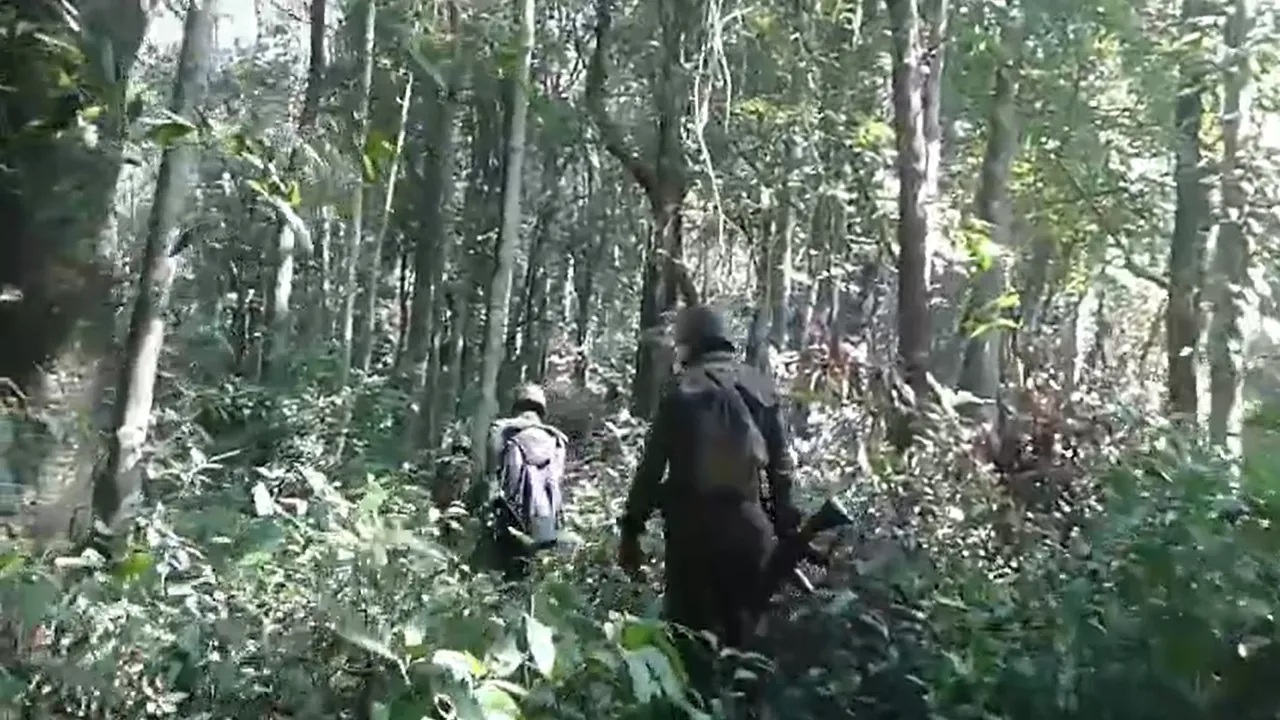
Representational image.
Synopsis: Security forces have neutralised the armed threat. Now, genuine justice and empowerment must fill the vacuum. If left unresolved, discontent could manifest in new forms, decentralised protests, identity movements or fringe revivalism.
The irony is stark and unforgiving: “Annihilation of the class enemy” was once the rallying cry of Naxalites, the militant Maoist cadres who framed their armed insurgency as a righteous socio-economic war against exploitation, land theft and state neglect.
Now, in February 2026, the same word, “annihilation”, echoes back at them. Operation Kagar, the Union government’s decisive counter-insurgency drive, has systematically dismantled the leadership and cadre of the Communist Party of India (Maoist).
Top figures such as General Secretary Nambala Keshava Rao, alias Basavaraju, were eliminated in May 2025. His successor, Thippiri Tirupathi, alias Devuji, surrendered on 22 February alongside Central Committee member Malla Raji Reddy, alias Sangram, and over 16 cadres before Telangana police.
With Union Home Minister Amit Shah’s 31 March deadline approaching, the armed Maoist movement stands routed, its Politburo reduced to a handful, the Red Corridor shrunk to isolated pockets and surrenders mounting amid relentless operations by the Central Reserve Police Force, the Commando Battalion for Resolute Action, the District Reserve Guard and state forces.
The Naxalites positioned their struggle as liberation for the underprivileged, tribals (Adivasis), Dalits and the landless poor, trapped in cycles of poverty, displacement and exploitation.
They promised to secure dignified lives through people’s war, resisting mining giants, contractors and moneylenders while enforcing rudimentary justice in “liberated zones”.
Yet, as the insurgency crumbles, the core question lingers: Have the socio-economic issues they championed been resolved?
The answer is a resounding no. Armed struggle highlighted grievances but failed to resolve them and often deepened the misery.
Maoists initially drew support by protecting Adivasis from immediate threats, regulating tendu patta collection, blocking exploitative projects and challenging land alienation.
In remote forests, where state presence was weak, they offered a semblance of agency and defence of jal (water), jangal (forest), zameen (land).
But the armed path proved self-defeating. Guerrilla attacks destroyed roads, schools, telecom towers and infrastructure, stalling connectivity, education and healthcare.
Violence bred fear. Civilians endured extortion, forced recruitment, summary executions in “people’s courts” and crossfire deaths.
Thousands perished over decades. Affected districts stayed mired in poverty despite vast mineral wealth. No genuine land redistribution or economic models emerged. Dogmatic ideology ignored democratic avenues, post-liberalisation opportunities and evolving aspirations.
Internal contradictions, including caste biases despite anti-caste rhetoric, leadership purges and declining morale, eroded the movement from within.
Operation Kagar accelerated the endgame. Launched in 2024-25, it used forward bases, drones, satellite intelligence, fortified stations and bounties to target leaders and networks. Over 450 Maoists were killed and thousands surrendered, with memorials razed. The outfit now lacks territory, firepower and command. Telangana and Chhattisgarh are nearing Naxal-free status, with only fringes remaining.
Yet grievances persist. Adivasis continue to face forest rights violations, despite the Forest Rights Act (FRA) 2006 recognising individual and community claims.
Implementation lags, with millions of claims pending or rejected on technical grounds such as pre-2005 occupation proof or duplicate filings.
Displacement due to mining and infrastructure projects continues without fair rehabilitation or gram sabha consent under the Panchayats Extension to Scheduled Areas Act (PESA) 1996.
Poverty, poor access to education and healthcare, inequitable resource extraction and weak enforcement of Fifth Schedule protections continue to breed distrust. Recent reports from Bastar highlight the human cost of militarisation, including arbitrary arrests, forced surrenders and evictions, further exacerbating alienation.
In the wake of the state’s success, addressing these issues demands a paradigm shift from security dominance to inclusive development.
First, accelerate implementation of the FRA and the PESA Act. Fast-track settlement of claims, recognise community rights over minor forest produce and ensure FPIC (free, prior, informed consent) for projects. Strengthen tribal advisory councils and Gram Sabhas.
Second, prioritise sustainable livelihoods. Skill training, eco-tourism, value-added forest products and agro-forestry can help replace extortion-dependent economies.
Third, boost infrastructure and public services. Roads, schools, hospitals, electricity and digital connectivity must reach former strongholds without repeating past neglect.
Fourth, ensure meaningful rehabilitation. Vocational support, financial assistance and security guarantees for surrendered cadres are essential to prevent relapse or the rise of new radicalism.
Fifth, foster participatory governance. Increase tribal representation in administration, curb exploitative contractors and promote equitable sharing of mining benefits.
Security forces have neutralised the armed threat. Now, genuine justice and empowerment must fill the vacuum. If left unresolved, discontent could manifest in new forms, decentralised protests, identity movements or fringe revivalism.
The end of guns must herald real dignity for the marginalised. Only then can the “annihilation” of insurgency translate into lasting peace in India’s heartland.
(Edited by Dese Gowda)


