

Published Jun 04, 2026 | 11:02 AM ⚊ Updated Jun 04, 2026 | 11:02 AM

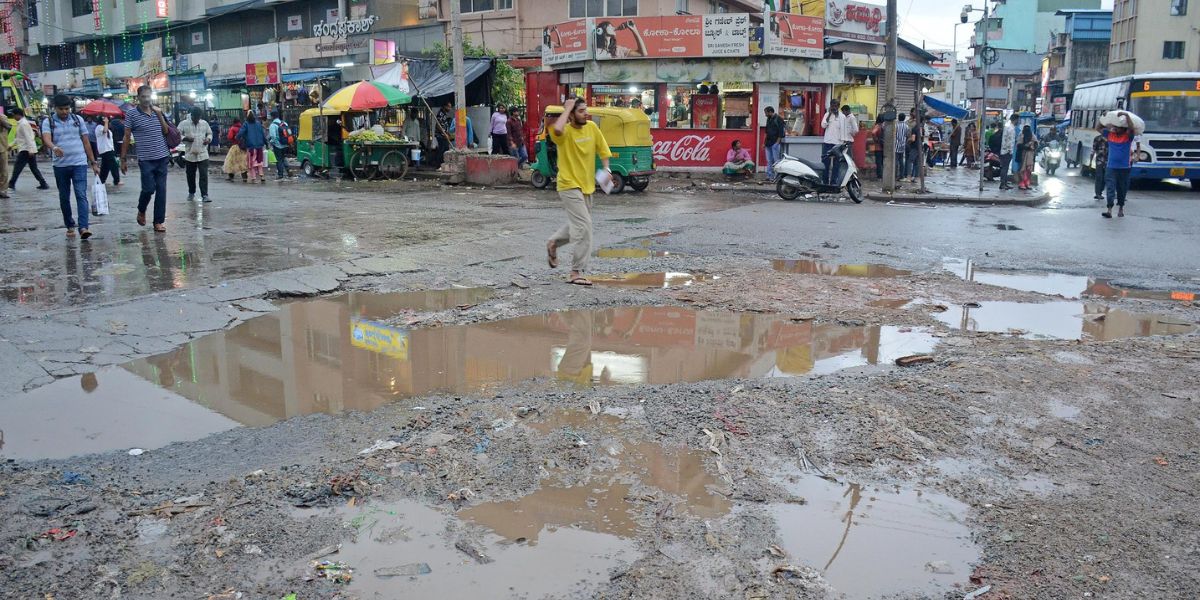
When citizens are excluded from local decision-making, the most vulnerable bear the heaviest burden.

Synopsis: As Bengaluru approaches municipal elections, the civic duty of each citizen goes beyond voting. Demanding and actively engaging in ward committees, town hall forums, and public consultations in city development planning, budgets and expenditure, health and well-being also fall within our civic responsibilities. The health of Bengaluru is inseparable from the health of its democracy.
The Supreme Court of India has set a revised deadline of 31 August to complete the much-awaited municipal corporation election process in Bengaluru.
The city last voted in the civic body polls in 2015, and subsequent elections have been repeatedly postponed ever since the previous council’s term ended in 2020.
Enshrined in the 74th Constitutional Amendment, the Greater Bengaluru Authority (GBA) elections represent democracy at the most local level and offer an opportunity to reclaim a participatory and healthy Bengaluru.
Also Read: SC gives Karnataka final extension to hold GBA polls
The 74th Constitutional Amendment Act was a landmark reform intended to empower Urban Local Bodies (ULBs) as institutions of self-governance. It envisioned cities where elected representatives, in partnership with citizens, shape development trajectories responsive to local needs.
This includes functions intertwined with public health: water supply, sanitation, solid waste management, urban planning, and slum improvement.
Yet, in Bengaluru, the prolonged delay in holding municipal elections has meant that this vision has remained largely unrealised, besides possibly making Bengalureans tardy and unaware of their power to participate in city governance.
When local governance weakens, decision-making becomes more centralised and less accountable. Forums such as area sabhas and ward committees, which are meant for deliberation, raising grievances, contributing toward development plans, and tracking local projects, become defunct, gradually eroding the architecture of participation.
The consequences are visible. In a city grappling with flooding, air pollution, waste crises, and rising inequities, this democratic deficit translates directly into public health risks.
Recent summer showers have already triggered localised flooding, often linked to challenges in waste management, drainage systems and these events reflect the lack of an approachable, locally informed and responsive governance.
What should be a brief spell of relief from the heat can quickly escalate into displacement, exposure, and increased risk of infectious disease.
Health is shaped not only in hospitals, but also through housing, sanitation, transport, air quality, green spaces, and livelihoods. These conditions are shaped by urban governance that influences social, political and commercial factors that determine whose needs are seen and heard in the city and subsequently their health and wellbeing.
When citizens are excluded from local decision-making, the most vulnerable bear the heaviest burden, though the effects ultimately ripple across the city.
Also Read: Smaller parties ready campaign pitch for GBA elections
Bengaluru’s story is particularly complex because of its social diversity of language, migration, and cultural identities, which can make community engagement challenging.
A city shaped by migration, Bengaluru often lacks a singular sense of belonging that underpins collective civic action. Participatory spaces such as ward committees and area sabhas can act as bridges, fostering dialogue and collective ownership.
As the city expands into peri-urban areas, institutionalising such processes becomes even more critical to avoid repeating mistakes in water management, waste systems, and infrastructure planning.
Bengaluru does not lack community engagement platforms; rather, it lacks institutionalised spaces where participation shapes decisions. Ward committees and area sabhas have become largely defunct in the absence of elected corporators.
Digital platforms like the Sahaaya application that address waste, streetlights and drainage are largely transactional—focused on complaints rather than deliberation.
Civil society efforts, while vibrant, often operate without formal authority. The result is a patchwork of engagement without an institutional backbone.
Open house events like Revitalising Bengaluru’s public spaces by the GBA, public consultations on ward climate action plans and community spaces by private actors, like the Happy Streets Bengaluru, facilitate engagement spaces with the city and its health and wellbeing.
Also Read: ‘Brand’ Bengaluru’s fatal reality
Bengaluru is a city of high civic activism, with Resident Welfare Associations, NGOs, and citizen groups frequently stepping in to address local issues. However, without a functioning governance infrastructure, even active citizens may not know where to turn in moments of need.
The presence of multiple parastatal agencies further complicates accountability, often leaving residents navigating a maze rather than a system.
Inspiration for improved community engagement may be taken from neighbouring cities in Kerala that have advanced decentralised planning through initiatives like the People’s Planning Campaign, decentralised financing, and institutional support from bodies like the Kerala Institute of Local Administration (KILA) to practice active civic participation.
Pune has experimented with participatory budgeting, while Ahmedabad has demonstrated the value of community engagement in urban public health initiatives.
What sets cities apart from rural contexts is their density and dynamism. Cities demand governance that is agile, inclusive, and responsive. Community engagement in cities is about negotiating competing interests, balancing growth with equity, and ensuring that development
does not come at the cost of health and sustainability.
As Bengaluru approaches municipal elections, our civic duty goes beyond voting. Demanding and actively engaging in ward committees, town hall forums, and public consultations in city development planning, budgets and expenditure, health and well-being also fall within our civic responsibilities. The health of Bengaluru is inseparable from the health of its democracy.
(Views are personal. Edited by Majnu Babu).



