


Published Jan 22, 2026 | 2:00 PM ⚊ Updated Jan 22, 2026 | 2:00 PM

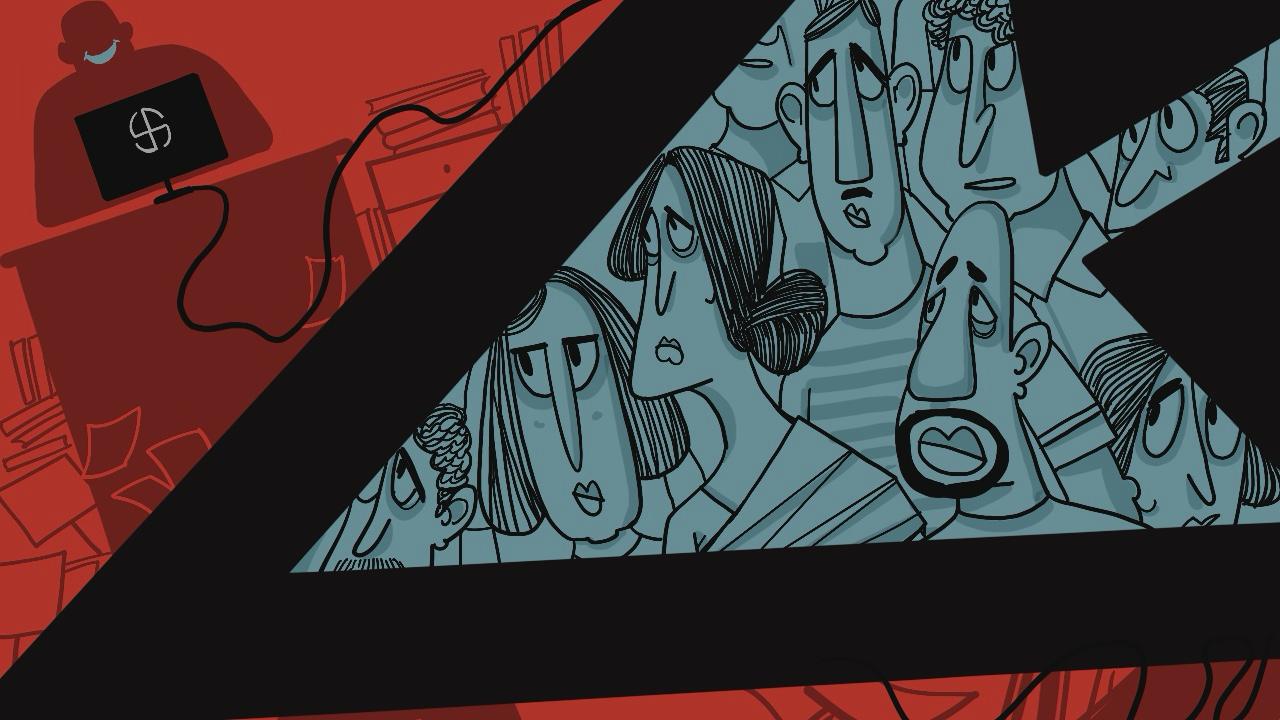
In the world’s largest democracy, social media platforms serve as battlegrounds where parties deploy aggressive tactics to influence public opinion and electoral outcomes.
Synopsis: Misinformation spreads rapidly via WhatsApp groups and deepfakes, as observed in state elections and national polls, where false claims about opponents fueled communal tensions. This erodes reasoned discourse, turning politics into a zero-sum game of “us vs. them,” where algorithms reward sensationalism over substance.
Aggressive social media has become a defining feature of contemporary Indian politics, reshaping how political parties engage with voters, craft narratives, and conduct campaigns.
In the world’s largest democracy, platforms like X (formerly Twitter), WhatsApp, Instagram, YouTube, and Facebook serve as battlegrounds where parties deploy aggressive tactics—including rapid-fire messaging, meme warfare, hashtag campaigns, targeted ads, and coordinated trolling—to influence public opinion and electoral outcomes.
This shift, evident prominently in the 2024 Lok Sabha elections and continuing into recent discourse, carries profound implications for parties’ structures, strategies, and the personal existence of their leaders.
One major implication is the centralisation of power within parties. Traditional intermediaries — such as local workers and booth-level organisers — once bridged leaders and voters by disseminating ideologies and gathering grassroots feedback. Social media allows top leaders to bypass these layers and directly shape narratives, as seen with the Bharatiya Janata Party (BJP)’s sophisticated digital ecosystem.
The BJP’s IT cell, with its vast volunteer network and professional tools, enables Prime Minister Narendra Modi to reach millions instantly through personalised campaigns like “#MainBhiChowkidar” (2019) or “Modi ka Parivar” (2024), fostering a leader-centric image.
This centralisation strengthens party discipline but risks alienating regional voices and reducing internal debate, making parties more personality-driven than ideology-based.
Aggressive strategies also amplify polarisation and misinformation. Parties increasingly use divisive rhetoric, religious appeals, nationalist themes, and personal attacks to mobilise supporters. During the 2024 elections, BJP-linked content emphasised Hindutva symbols (E.g., Ram Temple references), while opposition parties countered with themes of justice and anti-corruption.
Misinformation spreads rapidly via WhatsApp groups and deepfakes, as observed in state elections and national polls, where false claims about opponents fueled communal tensions. This erodes reasoned discourse, turning politics into a zero-sum game of “us vs. them,” where algorithms reward sensationalism over substance.
The rise of trolling and online abuse profoundly impacts leaders’ existence. Coordinated “troll armies”—often aligned with ruling or major parties—target critics, journalists, and opposition figures with harassment, threats, and character assassination.
Women politicians, especially from minority communities, face disproportionate ethnic, religious, and gendered slurs.
Opposition leaders like Rahul Gandhi have endured relentless mocking (E.g., labels like “Pappu” or “Makkar”) and memes portraying them as incompetent or treacherous. Even bureaucrats and foreign correspondents have reported graphic abuse leading to privacy measures.
For leaders, this creates a toxic environment: constant scrutiny erodes mental health, forces defensive postures, and blurs personal-professional boundaries. Supporters of Modi have been accused of orchestrating such campaigns, while opposition accounts engage in counter-attacks, perpetuating a cycle of vitriol that discourages moderate voices and deters new entrants into politics.
In the Indian context, the BJP has dominated this arena, boasting massive followings—Modi with over 96 million on X and 88 million on Instagram (as of 2024)—and superior micro-targeting via data analytics and influencers. The party’s aggressive digital push, including booth-level WhatsApp groups and hyperlocal content, contributed to its electoral machinery, though results like the 2024 outcome (short of a majority) showed limits to online dominance over ground realities.
Opposition parties, including Congress and regional outfits like the Trinamool Congress and Aam Aadmi Party, have ramped up efforts—Rahul Gandhi’s YouTube engagement and viral campaigns like “Vote Chori”—to counter this, focusing on youth and alternative narratives. Yet, resource gaps leave them playing catch-up, often resorting to equally confrontational tactics.
Ultimately, aggressive social media fosters short-term mobilisation but undermines long-term democratic health. It prioritises virality over policy depth, incentivises outrage, and normalises toxicity.
Leaders face existential pressures: thrive by mastering the digital game or risk irrelevance amid constant attacks. For parties, it demands perpetual online vigilance, diverting resources from governance.
As India navigates future elections—potentially in the state polls in 2026 or beyond—regulating misinformation, enhancing platform accountability, and promoting civil discourse will be essential to mitigate these impacts and preserve democratic vitality.
(Views are personal. Edited by Majnu Babu).


