

Published Jan 03, 2026 | 8:00 AM ⚊ Updated Jan 03, 2026 | 8:00 AM

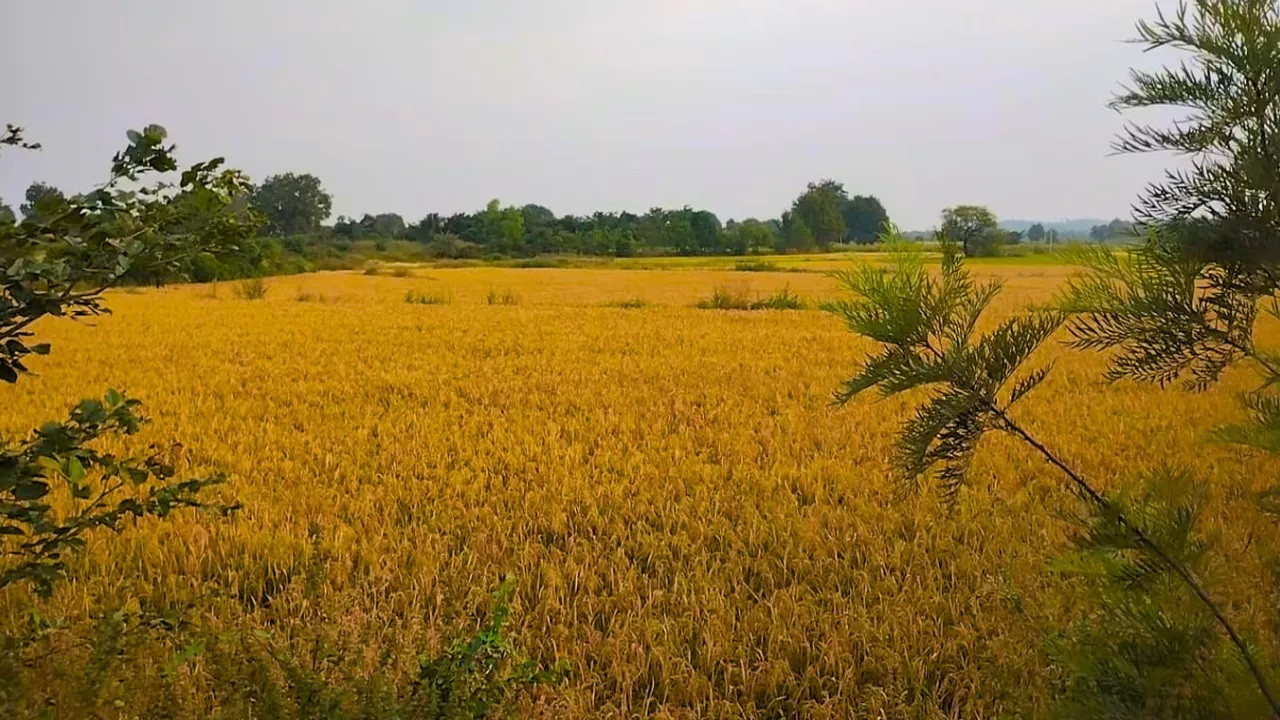
Paddy field in Telangana.
Synopsis: This winter, parts of Telangana, including Hyderabad, experienced dense morning fog reducing visibility to mere metres, followed by unexpectedly warm afternoons pushing temperatures well above seasonal norms. This wide diurnal swing highlights the growing abnormality in seasonal patterns amid climate change.
Foggy days on one hand and severe heat in the afternoons — this stark daily contrast marked the winter of early 2026 in Telangana and parts of South India.
As the new year began, rural communities in districts like Adilabad, Karimnagar, Mahabubnagar and even Hyderabad experienced dense morning fog reducing visibility to mere metres, followed by unexpectedly warm afternoons pushing temperatures well above seasonal norms.
This wide diurnal swing — chilly, moisture-laden mornings giving way to rapid heating under clearer skies — highlights the growing abnormality in seasonal patterns amid climate change.
Telangana’s winters, typically mild and dry on the Deccan Plateau, are seeing more frequent fog due to higher humidity, pollution trapping, and shifting weather systems. In January 2026, dense fog blanketed Hyderabad and eastern districts on New Year’s Day, with similar conditions persisting in rural areas.
Warmer overall winters — 2-3°C higher in recent years — combined with cold waves and fog, create ideal conditions for such extremes. While less severe than northern India’s plains, these fluctuations disrupt the semi-arid region’s fragile agrarian balance.
For rural Telangana, where over 60 percent of the population depends on agriculture and smallholder farming dominates, such anomalies compound existing vulnerabilities.
Rabi crops such as maize, paddy, groundnut, cotton, chillies, and pulses face stress: foggy mornings trap moisture, fostering fungal diseases and pests, while afternoon heat accelerates soil drying and evaporative loss. Livestock, a key income supplement, suffers from reduced fodder availability and health issues from temperature swings.
Farmers delay fieldwork due to low visibility, losing precious hours, while road hazards rise in poorly connected villages.
This winter pattern fits a broader disruption in South India’s seasons, particularly Telangana’s hot, dry climate, reliant on the southwest monsoon. Erratic rainfall — prolonged dry spells, unseasonal heavy downpours, and excess monsoon extensions — has become common.
In 2025, prolonged rains into October caused flooding and crop damage in paddy, maize, and cotton, with losses across lakhs of acres. Conversely, droughts in semi-arid districts like Mahabubnagar deplete groundwater, dry tanks, and lead to crop failure.
Projections warn of rising temperatures, variable rainfall increasing yield variability for staples like rice (risk-enhancing from erratic rain), cotton, jowar, and groundnut.
The socioeconomic toll is profound in rural households. Crop losses drive debt, with marginal farmers borrowing heavily for inputs. Distress migration surges as families seek urban labour, depleting village workforces.
Women face heightened burdens of fetching water and fodder amid scarcity. Health risks rise — respiratory issues from fog-trapped pollutants, heat stress, and malnutrition from reduced yields with lower nutritional quality. Farmer distress, already high in Telangana, intensifies with these extremes.
Livestock rearing falters: Fodder shortages in dry periods and disease in wet spells cut milk production. Water crises affect drinking supplies and irrigation, exacerbating gender inequalities.
Yet, adaptation efforts offer hope. Initiatives under the National Innovations in Climate Resilient Agriculture promote drought-tolerant varieties, micro-irrigation, and diversification to millets. Farmers revive traditional practices such as rainwater harvesting and mixed cropping, aided by mobile weather alerts and crop insurance. Community organisations and state programmes target vulnerable districts.
Abnormal seasons are reshaping rural life in Telangana and South India, threatening food security and livelihoods in this agriculture-dependent region. With climate projections indicating greater variability — more heatwaves, sparse rains, and extremes — urgent scaling of resilient practices is vital.
Tailored support for smallholders, improved infrastructure, and policy focus on semi-arid vulnerabilities can build resilience, preserving rural heritage against an unpredictable climate.
(Views are personal. Edited by Muhammed Fazil.)


