
Published Feb 04, 2026 | 8:00 AM ⚊ Updated Feb 04, 2026 | 8:00 AM

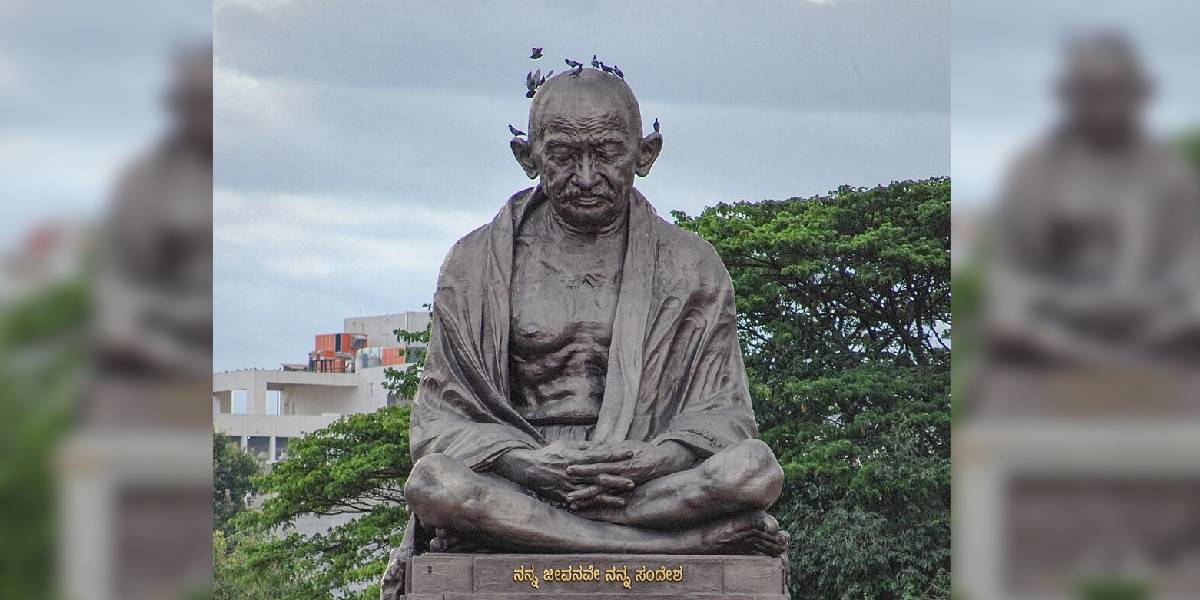
Andhra Pradesh's village-ward secretariat system aims at realising Mahatma Gandhi's idea of Gram Swaraj (Moheen Reeyad/CC)
Synopsis: People’s Pulse survey findings, involving interactions with over a thousand stakeholders, including secretariat staff, officials, sarpanches, and ordinary villagers, underscore systemic gaps. Secretariats often operate in silos, burdened by endless surveys and mismatched duties, while the abolition of volunteers in 2024 has left a void in doorstep services.
Andhra Pradesh’s village-ward secretariat system, launched in 2019, was aimed at realising Mahatma Gandhi’s Gram Swaraj by becoming a game-changer for decentralised governance.
By placing multi-functional staff at the grassroots and volunteers at doorsteps, it promised transparent welfare delivery, swift grievance redressal, and empowerment of Panchayati Raj Institutions. Yet, as a People’s Pulse field survey—conducted across the state from Ichchapuram to Tada between December 2025 and January 2026—reveals, the system has veered off course.
Employees grapple with burnout, citizens face delays, and elected representatives feel sidelined. This is not a verdict of failure but a clarion call for reform. With thousands of crores in public funds at stake, the government must act decisively to strengthen this framework, turning it into a robust pillar of rural and urban development.
The findings of the survey, involving interactions with over a thousand stakeholders, including secretariat staff, officials, sarpanches, and ordinary villagers, underscore systemic gaps. Secretariats often operate in silos, burdened by endless surveys and mismatched duties, while the abolition of volunteers in 2024 has left a void in doorstep services.
However, these challenges present opportunities for targeted interventions. Drawing from People Pulse’s findings and insights from sources like NITI Aayog’s reports on Panchayati Raj, the Ministry of Panchayati Raj’s guidelines, and successful models from Kerala and Rajasthan, here is a comprehensive roadmap for the government to revitalise the system:
First, institute a high-level, independent evaluation mechanism. The government should immediately form a study committee chaired by a retired chief secretary-level officer, with representation from all political parties, employee unions, civil society, academics, and researchers.
This body must submit a time-bound report—within three months—assessing performance, identifying bottlenecks, and proposing reforms.
As NITI Aayog’s 2022 report on decentralised governance emphasises, such diagnostic reviews are essential before overhauls, ensuring evidence-based changes rather than knee-jerk reactions.
Complement this with an all-party meeting convened by the chief minister to solicit cross-ideological inputs, fostering ownership and depoliticising the process.
Additionally, write to intellectuals, unions, and NGOs for suggestions, with a one-month deadline, to build a consensus-driven blueprint.
Second, rationalise human resources while addressing staff welfare.
The survey highlights acute dissatisfaction among the 1.10 lakh employees: excessive workloads exceeding 48 hours weekly, mental health crises leading to tragic suicides, and underutilisation of qualifications like MSWs and PhDs.
Categorise panchayats by population (A: >3500 with up to eight staff; B: 2500–3500 with seven; C: <2500 with six) to optimise staffing, as initiated. For surplus personnel—such as excess surveyors—conduct skill audits and redeploy them to aligned departments like public works for engineers or social welfare for MSW holders, as per Andhra Pradesh’s GO No. 3 on transfers.
Provide transition training through institutions like the National Institute of Rural Development (NIRD) in Hyderabad, avoiding layoffs and boosting morale.
To combat burnout, introduce flexible working hours and employee assistance programmes with confidential counselling in every district, as recommended by the World Health Organisation’s guidelines on occupational stress. Enforce international standards limiting daily hours to eight, with overtime relaxations.
For women staff, exempt them from night duties and ensure safety protocols during field visits, particularly in tribal areas. Grant promotions based on qualifications—E.g, channels for women police to junior assistant scales—and recognise service tenure fully.
As Kerala’s model shows, performance-linked incentives and regular training on digital tools can reduce frustration and enhance efficiency.
Third, revive and refine the volunteer mechanism. The 2024 abolition left a critical gap in last-mile delivery. Reinstate a limited, depoliticised volunteer cadre—one per 100 households—recruited through neutral agencies like civil service boards, with a raised honorarium of ₹10,000 monthly.
Focus their roles on pensions, applications, and awareness, freeing staff for core duties. Draw from Rajasthan’s Sahayak system, where volunteers are trained in community mobilisation and monitored via apps for transparency.
Fourth, enhance infrastructure and digital integration. Many secretariats lack basic amenities—uniform offices, computers, waiting areas, and drinking water—operating on a “zero budget” model.
Allocate dedicated funds from VB-G RAM G or Fourteenth Finance Commission grants for eco-friendly buildings with solar power, as per the Ministry of Panchayati Raj’s sustainable development guidelines. Digitally, adopt an integrated Management Information System (MIS) like the national e-Gram Swaraj portal, customised for Andhra Pradesh.
Use AI-based tools for real-time monitoring of schemes (inspired by NITI Aayog’s AI-for-All initiative) and blockchain for transparent fund tracking, reducing corruption. Introduce citizen feedback apps for grievance tracking, ensuring 72-hour resolutions as originally mandated.
Fifth, deepen integration with PRIs and local governance. Make secretariats accountable to Gram Sabhas, not parallel entities. Elected representatives—sarpanches, ward members—must have direct oversight, including staff performance reviews and joint planning for annual/five-year development micro-plans.
Incorporate social audits for community monitoring of welfare and infrastructure. In tribal areas, adapt setups with multi-purpose assistants per hamlet, addressing low awareness and remote access, as suggested by the Tribal Welfare Ministry’s reports.
Sixth, streamline operations to focus on core outcomes. Shift from fragmented surveys to a single, annual integrated data collection via OTP-verified family heads, shared across departments.
Appoint dedicated education assistants for school oversight, ensuring quality and dropout prevention. Foster public-private partnerships (PPPs) for maintenance, drawing from successful Kerala models where NGOs handle sanitation and water supply.
These steps, if implemented, could save crores while delivering measurable gains: reduced grievances at higher levels, empowered PRIs, and healthier rural economies. The government’s Swarna Andhra Vision 2047 aligns with this, but long-term plans must transcend party lines—history shows no regime is eternal.
As Gandhi taught, true Swaraj begins with the village. Andhra Pradesh has the blueprint; now it needs the will to rebuild.
(The writer is a Researcher with the People’s Pulse Research Organisation. Views are personal. Edited by Majnu Babu).


