

Published Jul 15, 2026 | 6:27 PM ⚊ Updated Jul 15, 2026 | 6:33 PM

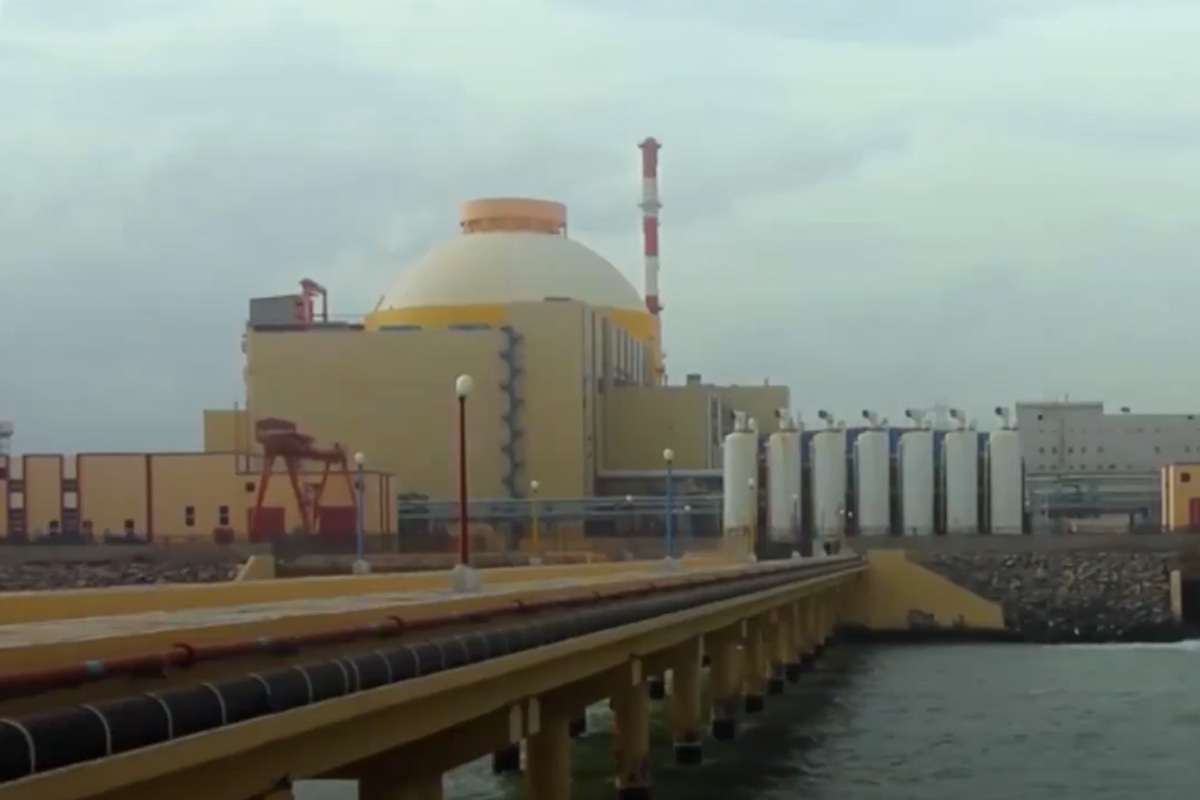
Is Kudankulam's future now under threat post the massive cyberattack?

Synopsis: Seven years after facing its first cyberattack, the Kudankulam plant in TN has been targeted by a ransomware group.
As many as 8.58 lakh files from the Kudankulam nuclear plant in Tamil Nadu, the largest in India, have been leaked on the dark web by the ransomware group World Leaks, Reuters reported on Wednesday.
The news agency said that 19000 of these files were highly sensitive and contained blueprints for the complete floor layout of a “common control room” as well as the ventilation and cooling systems used in Units 3 and 4 of the plant. The two units set to produce a combined 2000 MW of electricity were due to be operational in 2027.
The files leaked also included detailed lists of approved equipment suppliers and vendor proposals. There are also minutes from internal meetings, joint inspection records with photos of hardware, and details of an active $112 million anti-terrorism insurance policy taken out by Reliance and the Nuclear Power Corporation of India (NPCIL).
Anil Ambani’s Reliance Group, the contractor whose data was hacked from their service provider Yotta’s servers, admitted to Reuters that there had been a “partial breach”.
Yotta, for their part, said in a statement that they “had noted suspicious activity on May 29 on a server it hosts that belongs to Reliance Infrastructure.”
The leaked documents date back to 2016 and run till mid-2025 and were hacked from Reliance Infrastructure’s server on Yotta. The report hinted at the possibility that World Leaks might have posted the huge cache of files after their ransom demand had been turned down.
Nickolas Roth, senior director at the Nuclear Threat Initiative, was quoted by Reuters as saying that the leak could pose a “serious” risk to the plant’s safety.
These leaked files could “show an adversary not just who has access to the project but which systems that access reaches,” Roth added.
The Indian Computer Emergency Response Team (CERT-In), the country’s main cybersecurity agency, is investigating the breach.
This is not the first time that the Kudankulam nuclear plant has come under attack from hackers.
Seven years earlier, in 2019, Kudankulam had been hit by a Dtrack malware attack. Internal network logs, browser history, and local system information linked to one internet-linked computer were targeted in the attack linked to North Korean hackers.
While that attack was localised to a single system, this breach is many times bigger and way more concerning.
(Edited by R Rajesh Kumar.)



