

Published Aug 21, 2025 | 7:00 AM ⚊ Updated Aug 21, 2025 | 7:00 AM

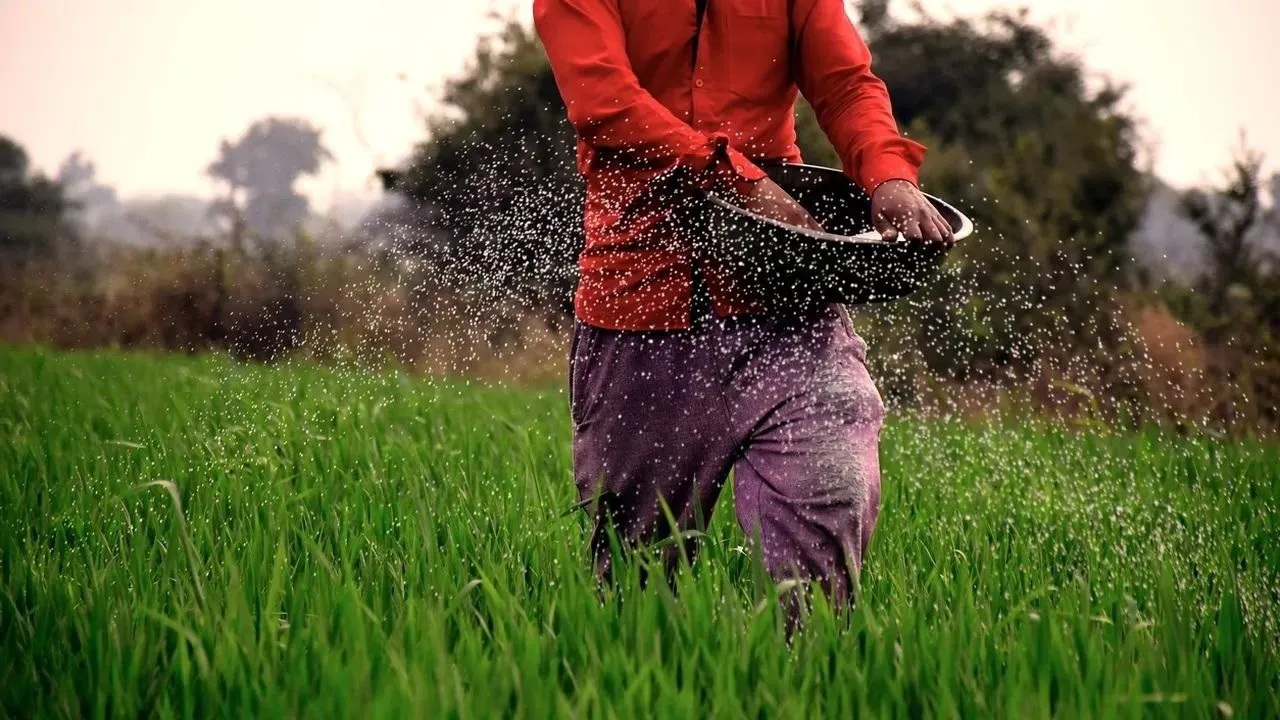
Sowing for the kharif season typically begins in June–July.

Synopsis: Maharashtra, a hotspot for farmer suicides, holds ₹260,799.90 crore in total loans, with ₹134,659.71 crore for small and marginal farmers.
The Centre has categorically ruled out a one-time farm loan waiver for small and marginal farmers, despite mounting evidence of escalating agricultural debt and persistent agrarian suicides, particularly in states like Maharashtra, Punjab, West Bengal, and Karnataka.
In a Lok Sabha response to a question by TMC MP Mahua Moitra on Tuesday, 19 August, Minister of State for Agriculture and Farmers Welfare, Ramnath Thakur, stressed upon the Centre’s stance, highlighting the existing schemes over debt relief, even as rural crisis deepens.
As of 31 March, 2025, provisional data from the National Bank for Agriculture and Rural Development (NABARD) reveals a staggering ₹2.85 lakh crore in outstanding agricultural credit across India, with ₹1.59 lakh crore linked to small and marginal farmers.
State-wise disparities: the Southern Region tops with ₹1.25 lakh crore, led by Tamil Nadu (₹403,367.45 crore) and Andhra Pradesh (₹308,716.83 crore), while the North Eastern Region lags at ₹30,446.70 crore, with Arunachal Pradesh reporting just ₹491.44 crore.
Maharashtra, a hotspot for farmer suicides, holds ₹260,799.90 crore in total loans, with ₹134,659.71 crore for small and marginal farmers.
The question, raised by Moitra, sought clarity on the link between farm indebtedness and suicides, citing states like Maharashtra, Punjab, West Bengal, and Karnataka.
However, the Centre offered no assessment, relying on the National Crime Records Bureau’s (NCRB) “Accidental Deaths and Suicides in India” report, which lacks detailed causation analysis.
In 2022, NCRB data showed over 10,000 farmer suicides, yet the government claims reasons are “wide-ranging” and not specifically tied to debt.
Moitra’s call for a loan waiver, teamed with long-term credit solutions, was met with rejection. Instead, the government highlighted a 580% budget increase for the Department of Agriculture and Farmers Welfare—from ₹21,933.50 crore in 2013-14 to ₹1,27,290.16 crore in 2025-26—and 28 schemes, including the Modified Interest Subvention Scheme (MISS).
Under MISS, farmers access Kisan Credit Card loans at a subsidised 7 percent interest rate, reducible to 4 percent with timely repayment, with limits of ₹3 lakh for crops and ₹2 lakh for allied activities.
Minimum Support Prices (MSPs) have also been increased since 2018-19 to ensure a 50 percent return over production costs.
The MISS scheme, while boosting credit access, does little to alleviate existing debt burdens, with states like Punjab (₹104,353.28 crore total loans) and Karnataka (₹222,301.82 crore) seeing persistent distress.
Farmer protests demanding waivers have grown louder, yet the government insists on state-led solutions, citing agriculture’s constitutional status as a State Subject.
(Edited by Amit Vasudev)



