

Published Dec 04, 2024 | 8:30 PM ⚊ Updated Dec 04, 2024 | 8:30 PM

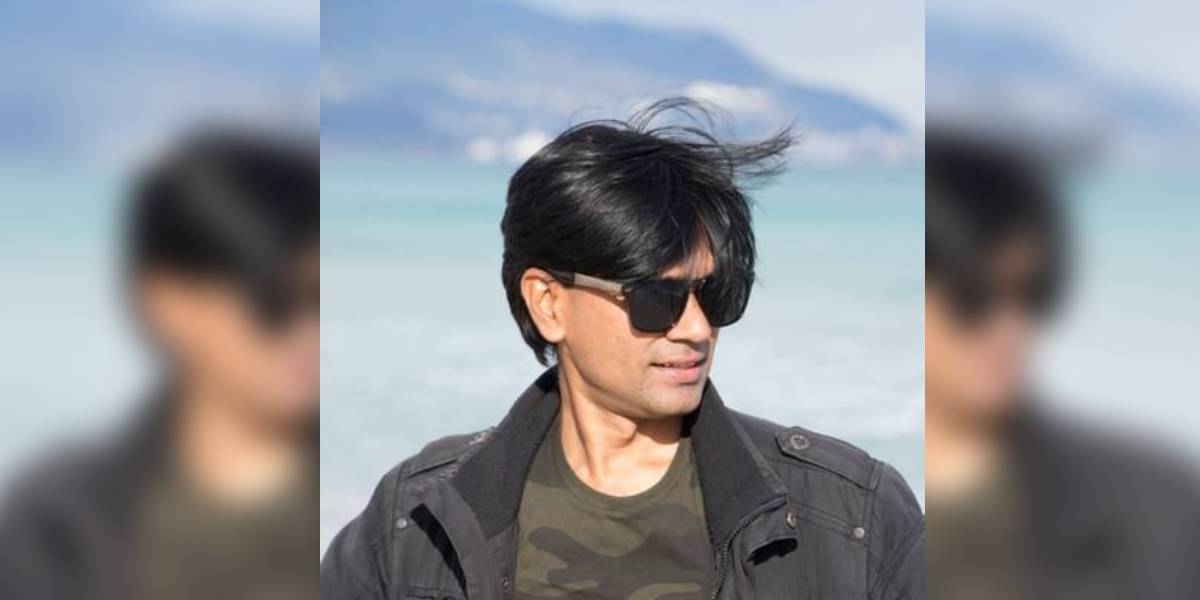
Mohammed Zubair.

In a show of support for Alt News founder and fact-checker Mohammed Zubair, over 1,000 activists, academics, journalists, lawyers, and concerned citizens have signed a letter condemning the Uttar Pradesh (UP) Police’s actions against him.
The letter, which expresses solidarity with Zubair, decries the ongoing persecution he faces and highlights the broader implications for freedom of expression in India.
Among the signatories are prominent figures such as filmmakers Anand Patwardhan and Kavita Srivastava, social activists Harsh Mander and Shabnam Hashmi, journalist Revati Laul, and academic Nivedita Menon, among others.
The letter urges the authorities to desist from using the criminal justice system to silence critics and advocates for the protection of free speech.
Zubair, the co-founder of fact-checking website Alt News, has been the subject of increasing legal action since he shared a video on social media.
The video depicted controversial hate speech by Yati Narsinghanand, a Hindutva leader known for his inflammatory rhetoric. In response, the Ghaziabad Police filed an FIR (First Information Report) against Zubair on 3 October 2024, accusing him of promoting enmity between religious groups.
The FIR was filed at the behest of Udita Tyagi, a close associate of Narsinghanand.
Critics argue that the filing of this FIR is an attempt to divert attention from Narsinghanand’s own inflammatory actions. Zubair’s tweet, which simply shared the video and called for legal action against Narsinghanand, has been misinterpreted by authorities as a form of incitement.
According to the complaint against him, Zubair did not incite violence but merely called for accountability and enforcement of the law.
The situation has raised concerns about growing collusion between the UP police and extremist Hindutva groups. Zubair’s supporters argue that the FIR against him is part of a broader trend in which state machinery is being used to target journalists and activists critical of powerful figures.
“The charges against Zubair are frivolous and politically motivated,” said Alt News in a statement. “They reflect a broader pattern of harassment aimed at silencing those who speak out against hate speech and misinformation.”
On 27 November 2024, the UP police informed the Allahabad High Court that they had added further charges against Zubair, including a non-bailable offence under Section 152 of the Indian Penal Code, which deals with acts endangering India’s sovereignty and integrity.
This move has intensified fears that the police are using the legal system as a tool to intimidate journalists and suppress dissent.
Zubair has since filed a writ petition in the Allahabad High Court, challenging the FIR and seeking protection from arrest. He has argued that his actions were consistent with his role as a journalist and that he was simply fulfilling his duty to report and call for legal action in response to hate speech.
The case has become a flashpoint for debates about freedom of the press, the misuse of legal mechanisms, and the state’s growing tolerance of hate speech.
Critics point out the selective application of the law, noting that Nand Kishor Gujjar, a BJP MLA who made false claims of violence and called for communal retaliation in October 2024, has yet to face any legal consequences despite the police flagging his speech as a case of misinformation.
In their letter, the signatories condemned the weaponisation of the legal system to target journalists like Zubair. They argue that such actions not only undermine the rule of law but also create an atmosphere of fear that discourages the public from holding powerful figures accountable.
“The ongoing harassment of Zubair is part of a larger pattern of repression,” the letter reads. “It sends a chilling message to all journalists, activists, and concerned citizens: that speaking truth to power will come at a cost.”
The letter concludes with a call for an end to the harassment of Zubair and other journalists, emphasising the need for a free and independent press to hold power to account and safeguard democratic values.
The Campaign Against Hate Speech Karnataka and Hate Speech Beda initiative, which has led the push for the letter, has pledged to continue advocating for those who speak out against hate and misinformation, regardless of political pressures.
(Edited by Ananya Rao)



