

Published Jan 02, 2026 | 8:00 AM ⚊ Updated Jan 14, 2026 | 10:50 AM

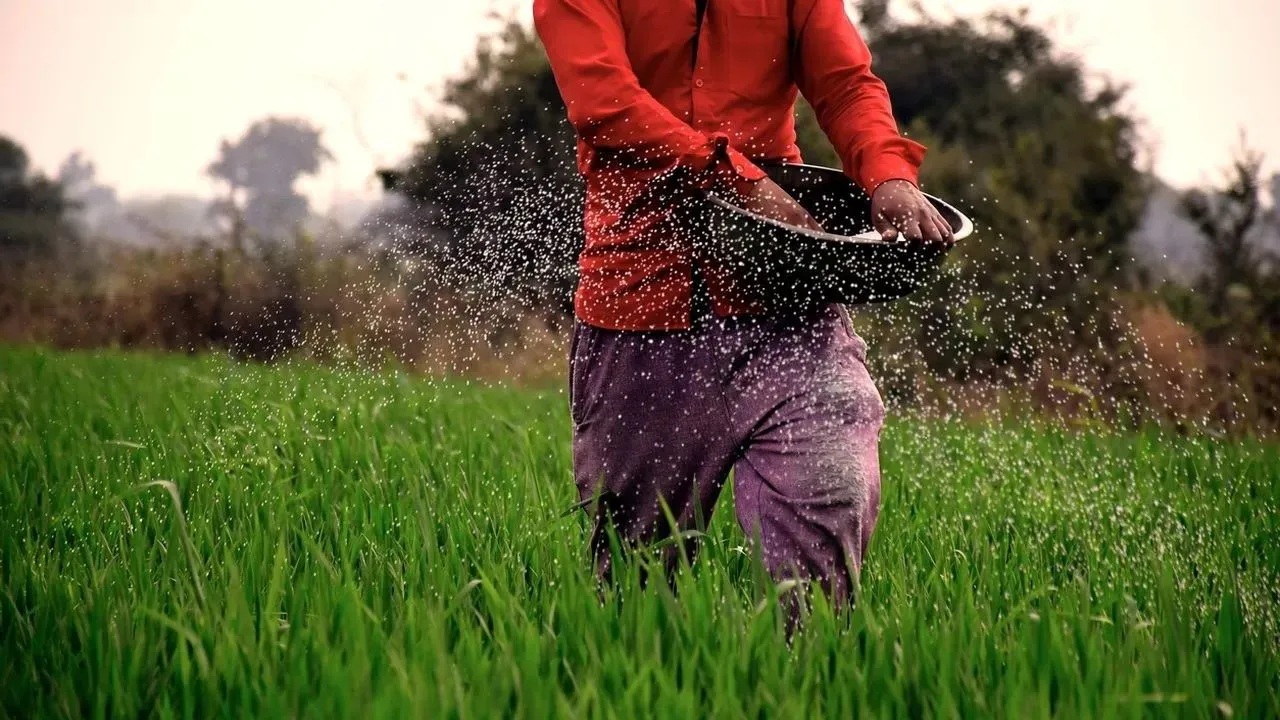
The rabi season leaves little room for delays. Crops such as paddy and maize depend on timely urea use.
Synopsis: Thousands of farmers across Telangana began the New Year queuing through freezing nights for urea, as a prolonged shortage of the fertiliser threatens to disrupt the crucial rabi season. The situation has led to farmers blocking highways and scuffles at fertiliser outlets, while political parties in the State have blamed the Centre over supply issues.
As much of urban Telangana welcomed the New Year, thousands of farmers across the State were forced to stand in long queues, hoping to secure urea—the fertiliser used to replenish nitrogen in the soil—for the crucial rabi (Yasangi) season.
From Khammam and Mahabubabad to Warangal, Jagtial and Siddipet, farmers say the fertiliser is slipping out of reach just when it is needed most. This is despite repeated assurances from the State government that stocks are adequate. The gap between official claims and ground reality is widening by the day.
Farmers are braving biting winter nights, wrapped in shawls and blankets, lining up well before the crack of dawn. In several villages, queues begin at 2 or 3 am, turning fertiliser outlets into overnight camps.
In the undivided Warangal district, footwear, stones and sacks are placed in queues to mark positions. In Khammam, tempers frayed as supplies ran out mid-distribution. Scuffles broke out among women farmers, forcing the police to intervene and restore order.
Similar scenes were reported from Siddipet and Jagtial. Crowds swelled, distribution was carried out under police protection, and tension hung thick in the air.
In Mahabubabad, frustration spilled onto the roads. Farmers blocked the Mahabubabad–Thorrur highway in late December, bringing traffic to a standstill. Emotions ran high as farmers pleaded with officials for more supplies.
One incident from Narasimulupeta laid bare the desperation. A farmer reportedly fell at the feet of an agriculture officer, begging for additional bags. He had managed to secure only a limited quantity from private dealers.
The rabi season leaves little room for delays. Crops such as paddy and maize depend on timely urea use. Miss the window, farmers warn, and yields can fall by 10 to 15 percent. Many say they have paused fieldwork, spending their days chasing fertiliser.
Allegations of black marketing have deepened the crisis. Farmers claim urea is being sold above the subsidised rate of Rs 266.50 for a 45-kg bag. Some dealers are accused of tying sales with unwanted fertilisers. Input costs, already high, continue to climb.
The Congress-led Telangana government, however, insists there is no shortage. Agriculture Minister Thummala Nageswara Rao has reiterated that the Centre allocated 10.40 lakh metric tonnes of urea for the rabi 2025–26 season, of which 5.7 lakh metric tonnes has already arrived. “This is slightly higher than the pro-rata requirement,” he said.
According to the minister, current stock stands at around 2.15 to 2.25 lakh metric tonnes, translating to over 47 lakh bags. “Stocks are sufficient,” he maintained. He urged farmers not to panic or hoard, and assured that supplies would be diverted to needy pockets.
Officials blame the chaos on uneven distribution. They cite sudden spikes in demand and point to farmers’ reluctance to use alternative fertilisers. Farmers remain unconvinced.
Complaints about the agriculture department’s app are growing. Introduced to regulate fertiliser distribution and slot bookings, farmers say it crashes frequently and availability is often not reflected. By the time they reach outlets, stocks have vanished.
Rationing has added to the anger. In many areas, farmers are allowed just one bag per acre or per Aadhaar card. Crowds are swelling and frustration is building.
The crisis has revived memories of the 2025 kharif season. That year, expanded sowing drove demand sharply higher. Paddy covered over 45 lakh acres, cotton spanned 44.64 lakh acres, and maize touched nearly six lakh acres. Total demand rose to an estimated 10.48 lakh metric tonnes.
The Centre allocated 9.8 lakh metric tonnes. Actual supplies fell short by nearly three lakh metric tonnes between April and August. Protests erupted, highways were blocked, and politics took centre stage.
The Congress government accused the Centre of discrimination. BJP leaders countered the claims, insisting that allocations were adequate. Production disruptions at Ramagundam Fertilisers and Chemicals Limited added to the strain, while global import delays and logistical hurdles worsened the crisis.
As the rabi season unfolds, political temperatures are rising again. The Bharat Rashtra Samithi has launched a sharp attack on the Congress government. BRS supremo and Leader of the Opposition K Chandrasekhar Rao accused the regime of poor management.
Recalling the previous government’s approach, Rao said fertilisers were delivered directly to villages. “Farmers did not have to stand in queues then,” he remarked.
He also took a swipe at the digital system. “They brought in some kind of app. It does not seem to work,” he said. Rao vowed to fight for farmers’ interests, adding that timely fertiliser supply would remain one of the key demands.
The BJP has struck a different note. While defending the Centre’s allocations, party leaders blamed the State government for failures on the ground. “The problem is distribution, not supply,” a BJP leader said, adding that better coordination is the need of the hour.
(Edited by Dese Gowda)


