


Perhaps the most awaited response from the Chief Minister was on the Rahul Mamkoottathil scandal. Vijayan delivered a blistering criticism of the Congress, calling the MLA's alleged conduct “sexual perversion” and the emerging details “shocking” and “deeply disturbing.”

Published Dec 05, 2025 | 3:38 PM ⚊ Updated Dec 05, 2025 | 3:38 PM

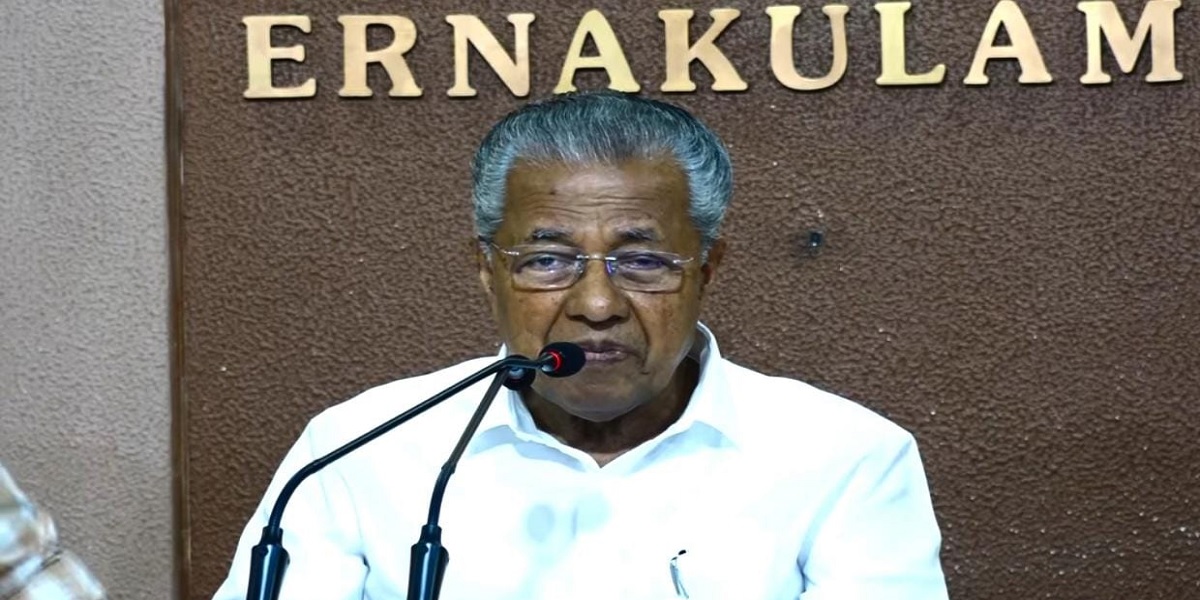
CM launches statewide Meet the Press campaign, addressing key allegations and political issues at Ernakulam Press Club.
Synopsis: Kerala Chief Minister Pinarayi Vijayan on Friday broke his silence on a long list of controversies that have erupted in the state over the past few months as it heads into the crucial local body polls. He condemned the Congress over the rape allegations against MLA Rahul Mamkoottathil, but avoided detailed remarks on the Sabarimala gold theft case, backed MP John Brittas in the PM Shri row and launched a well-prepared critique of the UDF’s seat-sharing deal with the Welfare Party of India.
As Kerala heads into the local body elections, the political climate has turned volatile, with controversies erupting one after another—from the rape allegations against Palakkad MLA Rahul Mamkoottathil to the Sabarimala gold theft case and the row over MP John Brittas’ alleged intervention in the PM Shri scheme.
Through all this, Chief Minister Pinarayi Vijayan had maintained a notable silence. That changed on Friday, 5 December.
Launching his statewide Meet the Press outreach as part of the LDF’s local poll campaign, the Chief Minister ended his silence at the Ernakulam Press Club, addressing a wide spectrum of allegations and political flashpoints in a single sitting.
Similar programmes will follow at the Thrissur, Malappuram, Kozhikode and Kannur press clubs in the coming days.
Vijayan opened the interaction by centring the discussion on the upcoming elections, highlighting the achievements of local bodies under the LDF government, including extreme poverty eradication, healthy competition among local bodies and rapid urban progress.
He cited the metro and the Water Metro as flagship initiatives that now serve as models for other states and even other countries.
He also said local body elections should not be viewed as a referendum on the state government’s performance. That judgment, he asserted, belongs to the Assembly elections, not municipal ones.
The highlight of the day, however, was his sharp and deliberate attack on the UDF–Jamaat-e-Islami alliance, a well-prepared critique delivered with clear intent, setting the tone for the political battles ahead.
Perhaps the most awaited response from the Chief Minister was on the Rahul Mamkoottathil scandal. Vijayan delivered a blistering criticism of the Congress, calling the MLA’s alleged conduct “sexual perversion” and the emerging details “shocking” and “deeply disturbing.”
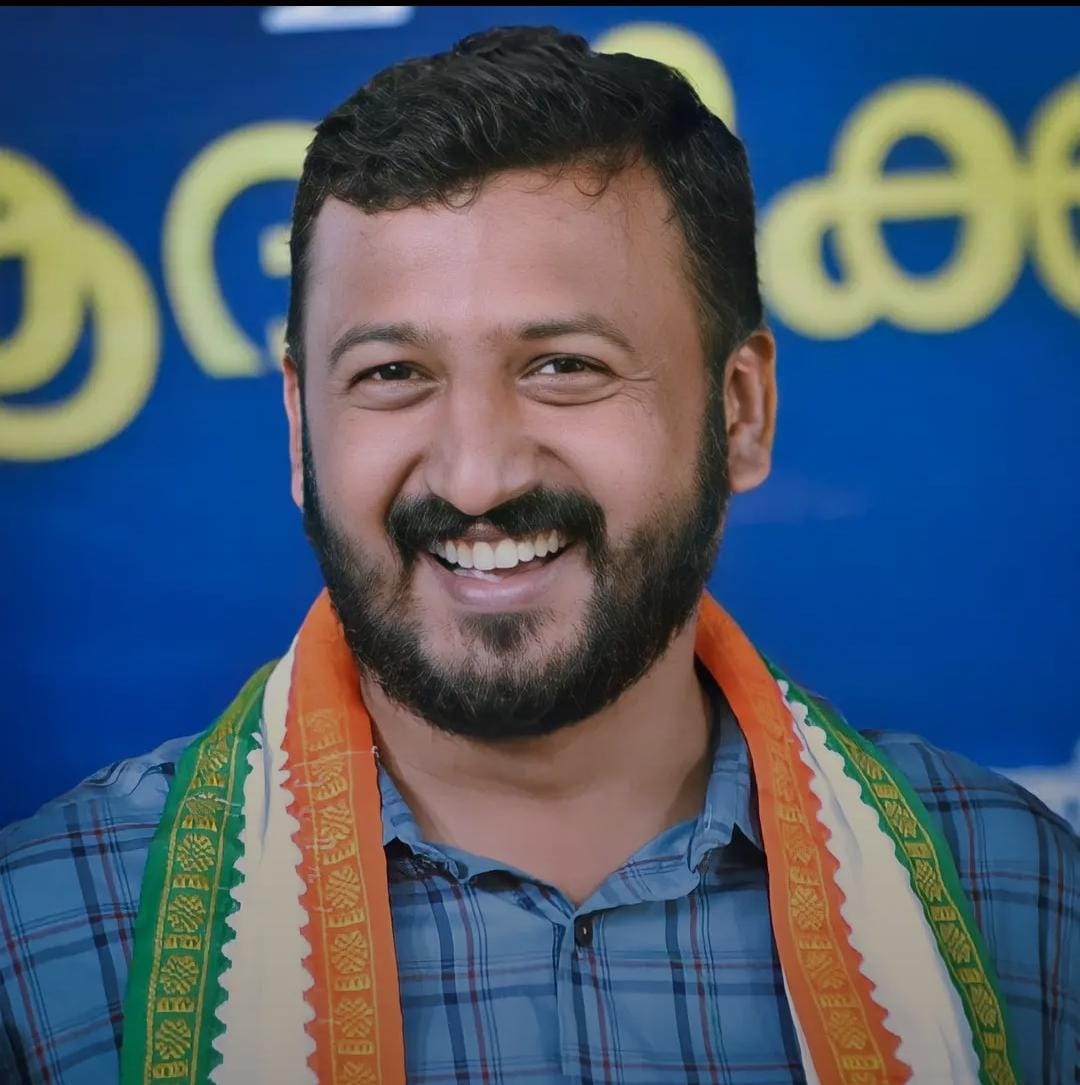
Rahul Mamkootathil
He said the accusations were far from “ordinary” and questioned how the Congress could keep someone facing such charges in public life, especially when reports suggest the leadership knew early on.
“Is this how a party with such a legacy behaves?” he asked.
Vijayan said the police were taking the right steps to arrest Mamkoottathil but alleged that certain individuals were helping him evade the law.
On whether an arrest was imminent, he shot back, “Shouldn’t he be arrested?”
Responding to Congress comparisons with the CPI(M), he said the Congress had MLAs jailed in similar cases before and never removed them. Taking an indirect dig at Shafi Parambil, he criticised leaders who defend Mamkoottathil and dodge questions from the media.
In contrast to the Mamkoottathil case, the Chief Minister refrained from making detailed comments on the ongoing Sabarimala investigation.
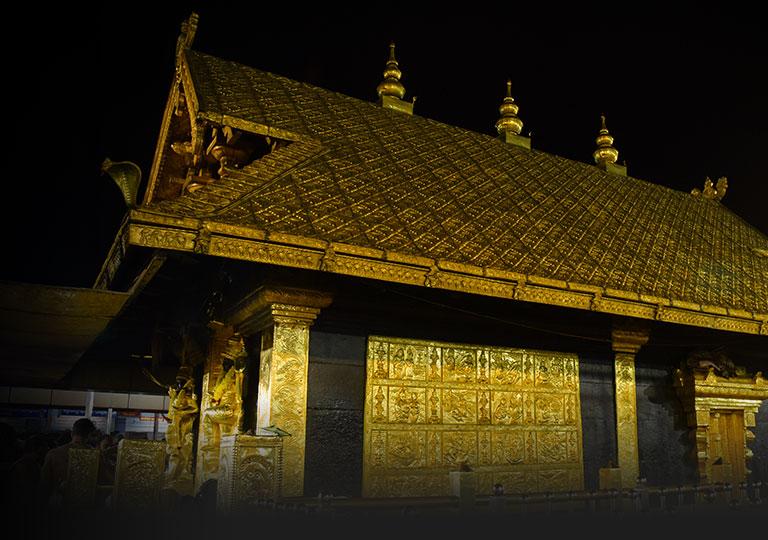
Gold-plated sanctum sanctorum of Sabarimala.
“It is not appropriate for the Chief Minister to comment on the ongoing investigation related to Sabarimala. The matter is under the supervision of the High Court, and a proper investigation is taking place. That process itself ensures a thorough and satisfactory inquiry,” he asserted.
“The party has made it clear that no one will be shielded, no matter who is involved.”
When asked about IAS officer Ashok’s petition challenging the recent appointment of K Jayakumar as president and member of the Travancore Devaswom Board, Chief Minister Vijayan said the appointed was widely accepted across all quarters.
“K Jayakumar, a retired IAS officer, was appointed by the government. He is no longer part of the service, and his appointment was widely accepted across all quarters. Jayakumar has demonstrated expertise in Sabarimala-related matters at various stages,” he said.
He added that Jayakumar’s appointment has been warmly welcomed by Ayyappa devotees, with no discord reported between him and the board members. He is widely recognised for his impartiality, efficiency and fair, principled approach to handling matters.
Union Education Minister Dharmendra Pradhan’s remark that CPI(M) MP John Brittas had “mediated” Kerala’s PM Shri MoU has reignited the debate.
With Pradhan publicly confirming Brittas’s involvement, the Left party has been pushed to clarify its position, even as the UDF sharpens its attacks with slogans like “You Too Brittas” and “Brittas Munna.”
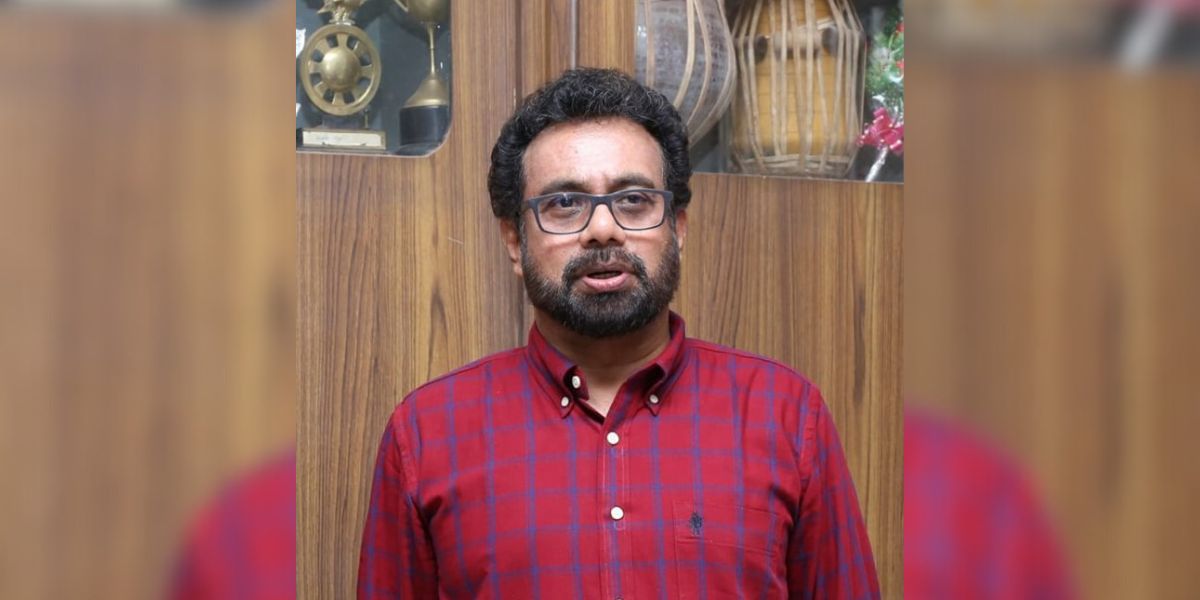
File photo of John Brittas. (JBrittas/Facebook)
But on Friday, Chief Minister Pinarayi Vijayan firmly backed Brittas. He said MPs are duty-bound to secure what the state needs from the Centre, and praised Brittas as a parliamentarian known for effective interventions.
He noted that parliamentary coordination meetings are held precisely to ensure all MPs work together for Kerala, describing Brittas’s actions as part of his responsibility as a Rajya Sabha member.
The Chief Minister also said the current Lok Sabha has shown some positive shifts compared to the previous one, with Kerala’s MPs raising the state’s rights more assertively.
While the Congress, he said, has not opposed the Centre on major issues but often targeted state policies, this session saw a more favourable environment for state–Centre engagement.
“MPs must function as ambassadors of Kerala,” he said.
The Chief Minister also dismissed the ED’s show-cause notices to him, KIIFB and others over Masala Bonds as “ridiculous” and an election-time gimmick. He said all KIIFB projects follow RBI norms.
Defending the agency, he noted that KIIFB, created in 2016 to fund large-scale infrastructure, exceeded its initial ₹50,000 crore target, completing ₹62,000 crore and reaching ₹90,000 crore today.
The Chief Minister also delivered one of his most prepared and forceful critiques in recent times, targeting the political nexus between the UDF and Jamaat-e-Islami ahead of the local body elections.
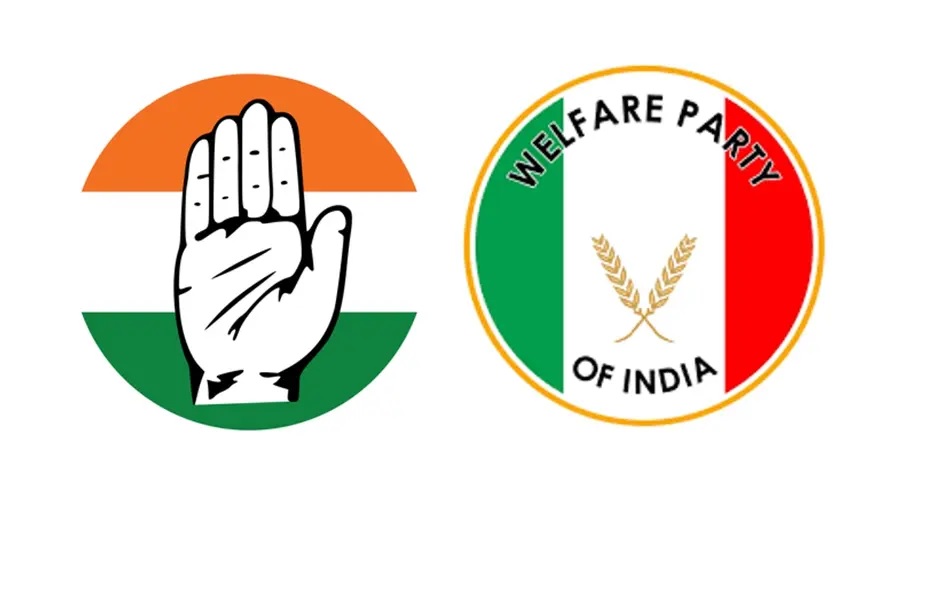
The UDF is moving forward with its seat-sharing arrangement with the Welfare Party of India (WPI)
The UDF is moving forward with its seat-sharing arrangement with the Welfare Party of India (WPI) in Malappuram, despite concerns raised by several Muslim organisations about aligning with the political wing of Jamaat-e-Islami.
Under this deal, the UDF will allot seats to the WPI in local bodies where it has an existing presence, and in return, the WPI will support the IUML and other UDF candidates across the district.
Key panchayats such as Angadippuram, Koottilangadi, Mampad, Tirurangadi, Tirur and Kondotty have already finalised seat divisions, and in Angadippuram and Mampad, the WPI has officially announced its candidates.
Vijayan described the move as a dangerous miscalculation and pointed out that Jamaat-e-Islami has only a nominal following and is largely disconnected from mainstream Muslim groups like Sunni and Shia in Kerala.
Criticising the Congress, he said that in its pursuit of a few votes, the party was willing to form what he described as an unholy alliance, putting the country’s peace and secular traditions at risk.
Vijayan drew parallels between Hindutva and political Islam, highlighting that while they appear ideologically opposed, both seek religious nationalism and authoritarian control under the guise of faith.
He referenced the Jammu and Kashmir elections, where the BJP and Jamaat-e-Islami allegedly collaborated to defeat CPI(M) candidate Yousuf Tarigami, though voters ultimately chose the Left candidate.
He also noted that even within the Congress there was internal opposition to partnering with Jamaat-e-Islami, yet the party appeared willing to compromise principles for electoral gains.
(Edited by Dese Gowda)


