

Published Jan 19, 2026 | 9:00 AM ⚊ Updated Jan 19, 2026 | 9:00 AM

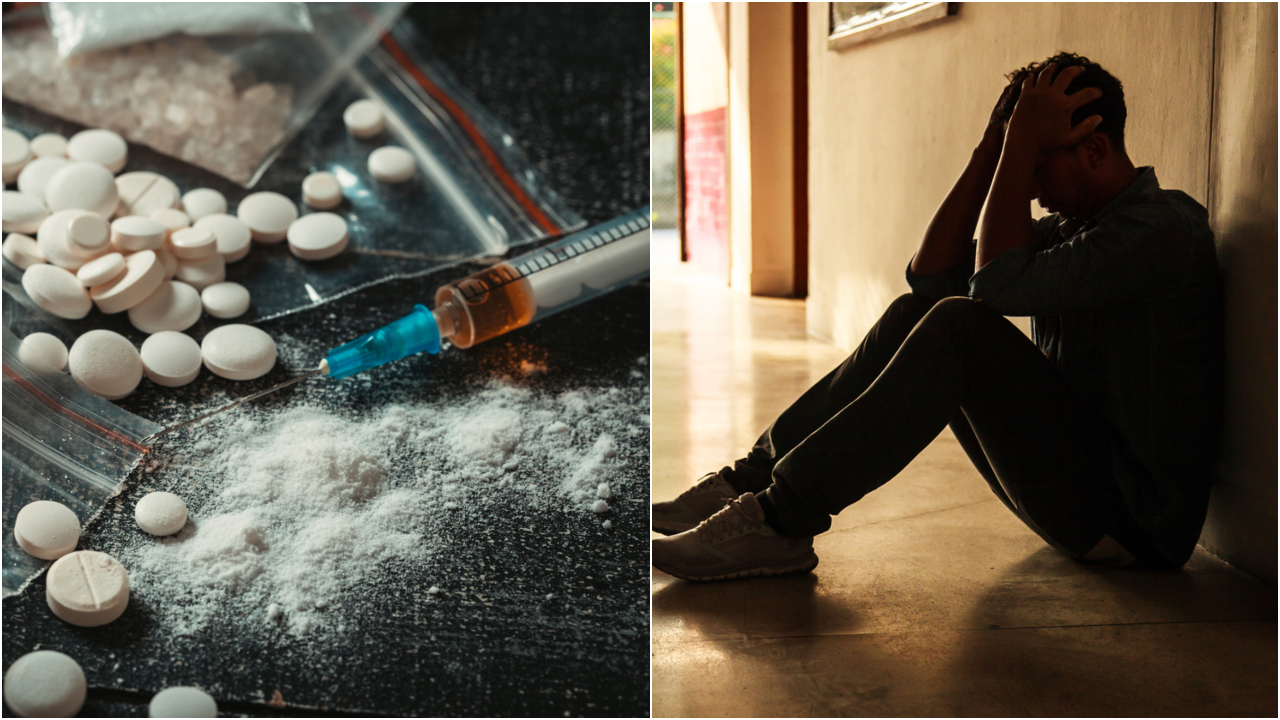
Representational image. Credit: iStock
Synopsis: The 16th session of Kerala’s 15th Assembly begins 20 January, spotlighting two private members’ bills: one ensuring free, rights-based adolescent mental health care, and another mandating compulsory drug testing with strict penalties. Together, they reflect public concern over youth crises. The 32-day session also covers the 2026–27 Budget, grants, and key legislative business before elections.
As the last session of the 15th Kerala Legislative Assembly (the 16th session) is set to commence on 20 January, the spotlight will be on two private members’ bills—one focusing on adolescent mental health care and the other on drug eradication through stringent preventive and punitive measures—that reflect growing public anxiety over the social crises confronting Kerala’s youth.
While private members’ Bills rarely make it to the statute books, they often serve as important markers of social concern and political intent.
In this final session of the Assembly’s current term, these two Bills have drawn attention for their ambition, scope and the sharp questions they raise about rights, responsibilities and state intervention.
The Kerala Adolescent Mental Health Care Bill, 2025, pitched by Aruvikkara MLA G Stephen, seeks to establish a comprehensive, rights-based framework for mental health care for adolescents across the State.
Framed with an expansive vision, the Bill links adolescent mental well-being to the broader project of building a “new Kerala”.
At its core, the Bill mandates that every adolescent must receive access to mental health information, counselling and treatment through educational and health institutions.
It emphasises not only care but also awareness and empowerment, making mental health an integral part of adolescent development.
Key provisions include the right of adolescents to access their examination and treatment records, both digitally and physically, and strong safeguards to ensure confidentiality.
Importantly, the Bill insists that all mental health services—including counselling, examinations and treatment—should be provided completely free of cost.
The duties cast upon the state are equally extensive.
The government is tasked with strengthening existing health and educational institutions to address adolescent mental health issues, appointing adequately trained professionals in public health facilities and ensuring the availability of medicines wherever required.
Regular visits by health workers to schools and colleges and the integration of mental health awareness into the curriculum form a central plank of the proposal.
To ensure effective implementation, the Bill proposes the constitution of state-level and district-level committees for the protection of adolescent mental health.
These bodies, comprising senior officials and domain experts, would have powers to inquire into complaints, conduct inspections and initiate action against violations.
Notably, the Bill empowers these committees to conduct investigations suo motu, collect evidence and inspect institutions. Violations of the Act or its rules could invite fines, signalling an attempt to move beyond mere policy declarations to enforceable obligations.
The Bill argue that it fills a critical gap by recognising adolescent mental health as a distinct public responsibility rather than a private family issue.
If the mental health Bill adopts a welfare-oriented approach, the Kerala Drug Eradication–Prevention–Punishment Bill, 2025, pitched by Perinthalmanna MLA Najeeb Kanthapuram takes a markedly hardline stance against narcotics.
Citing an alarming rise in drug-related crimes and violence, the Bill proposes compulsory drug testing across a wide spectrum of society—from students to government and private-sector employees.
The scale of its ambition is expected to spark sharp reactions.
Under the proposed law, regular compulsory drug testing would be mandatory in all higher educational institutions, including private colleges, high schools and higher secondary schools.
Students found positive would face graded penalties, beginning with counselling and escalating to suspension and eventual expulsion in cases of repeated violations.
At the same time, the Bill places responsibility on the state to bear the cost of further education and rehabilitation.
The Bill extends compulsory drug testing to employees in government departments, public sector undertakings and even private companies.
Refusal to undergo testing could lead to disciplinary action, while repeat offenders may face dismissal after due process.
Private sector institutions would be required to report test results to the government while maintaining confidentiality—a provision likely to generate debate around privacy, labour rights and the limits of state oversight.
Perhaps the most controversial clause is the proposal to take legal action “without regard to the quantity of drugs seized”, effectively doing away with the distinction between small, intermediate and commercial quantities that exists under the NDPS Act.
The Bill also provides for forfeiture of property and cancellation of licences of establishments found to be sources of narcotics.
The Statement of Reasons accompanying the Bill points to NCRB data showing Kerala at the top in NDPS cases, with over 26,000 cases registered in 2022.
It argues that mandatory video recording of searches and seizures is essential to prevent abuse of power, improve transparency and enhance conviction rates.
It has to be noted that in December 2025, parallel to enforcement measures, a police-led survey have offered telling insights into drug use patterns in Kerala. Contrary to popular perception, the findings indicate that financially stable youth in the 25–35 age bracket are the most vulnerable to substance abuse. According to the survey, drug use and dealing largely operate within small, tightly-knit friend groups, making early detection difficult for outsiders, including law enforcement agencies.
This closed-circle nature of the network significantly reduces the chances of timely intervention. The study also found that a majority of drug users in this age group are employed in the private sector.
Police officials noted that while entry into government service through the PSC typically happens around the age of 33, the private sector absorbs young employees much earlier.
As a result, nearly 98 percent of youth below 30 are engaged in private employment, often with greater disposable income at a young age.
“Early financial independence, coupled with minimal supervision and peer-driven social environments, has emerged as a key risk factor,” senior police officers associated with the survey said then, explaining the higher prevalence of drug use among young professionals in private firms.
It was against this backdrop that the state step up its anti-drug campaign by formally bringing the private sector on board, with the State Police rolling out a collaborative initiative titled Prevention of Drug Abuse (PODA).
Under the framework, new employees will be required to sign a pledge against drug use, give consent for periodic testing, and face strict action—including dismissal—if violations are detected.
Police officials stress that PODA is designed as a deterrent and early-warning system, aimed at fostering drug-free and healthier workplace environments rather than merely imposing punishment.
The concluding session of the 15th Assembly comes at a politically charged moment, with Kerala moving steadily towards the next Assembly elections.
Against this backdrop, the discussion of private members’ bills assumes added significance.
Unlike government Bills, these proposals come from individual legislators and often articulate issues that parties want to foreground before voters.
The two bills slated for discussion strike at the heart of contemporary Kerala’s anxieties: the rising incidence of mental health issues among adolescents and the alarming spread of narcotic substances across campuses, workplaces and neighbourhoods.
The 16th session of the 15th Kerala Legislative Assembly will commence on 20 January, with the Governor’s policy statement, marking the beginning of a crucial budget session.
Scheduled to run for 32 days until 26 March, the session will see the presentation and passage of the 2026–27 State Budget.
The motion of thanks to the Governor’s address will be discussed on 22, 27 and 28 January, while the Budget will be presented on 29 January, followed by a general discussion on 2, 3 and 4 February.
5 February has been earmarked for the consideration of final and additional demands for grants for 2025–26.
After a recess from 6 to 22 February for subject committee scrutiny of demands, the House will take up detailed discussions on the demands for grants for 2026–27 from 24 February to 19 March.
The session will also pass two appropriation Bills and reserve 23 January, 27 February and 13 March for non-official members’ business, before concluding on 26 March after completing all legislative procedures.
(Edited by Amit Vasudev)


