

Published Jun 09, 2025 | 5:07 PM ⚊ Updated Jun 09, 2025 | 5:07 PM

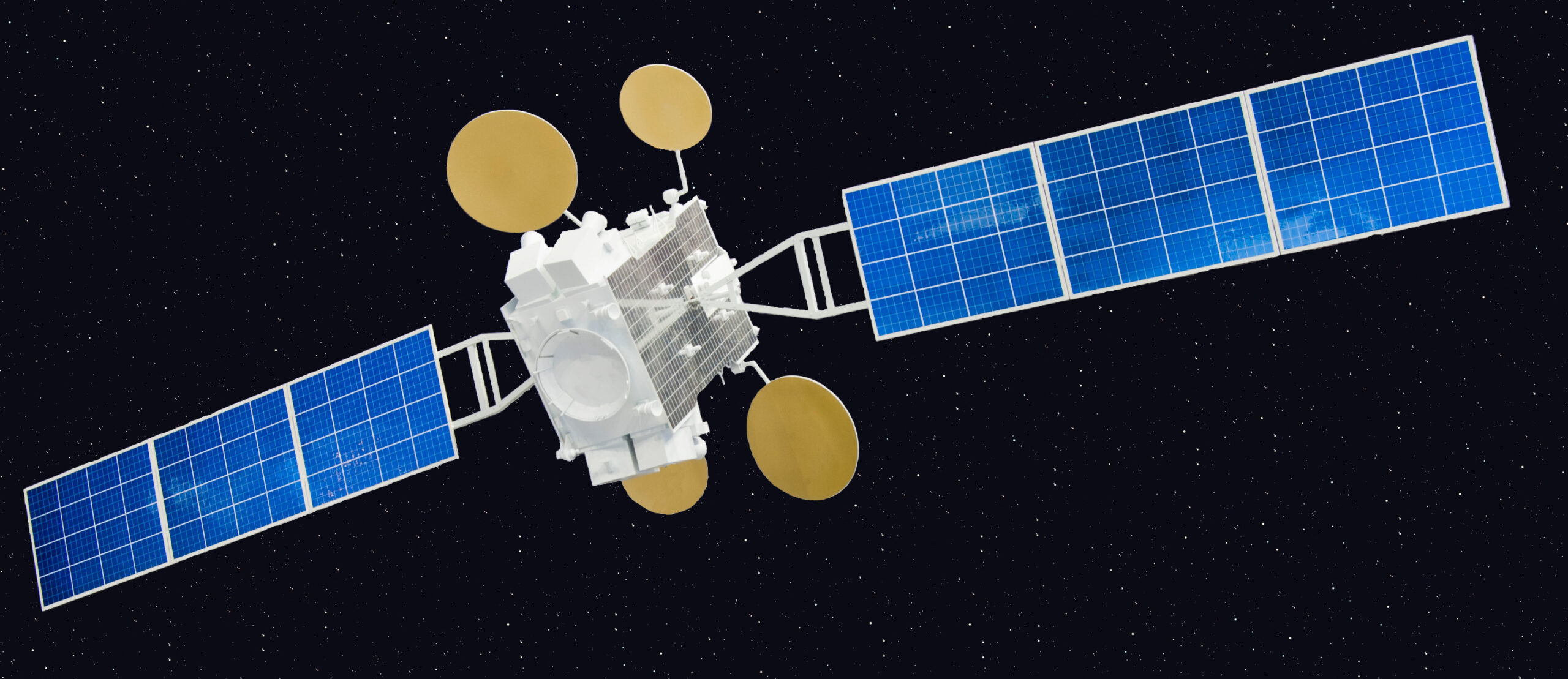
Earlier this year, Starlink argued that satellite spectrum should be administratively assigned and not auctioned. (Representational image/Wikimedia)

Synopsis: Former Finance Secretary EAS Sarma has demanded an independent judicial enquiry into the Starlink deal, and urged the government to reserve satellite spectrum exclusively for ISRO, defence services and Central Public Sector Enterprises.
Citing national security, former finance secretary EAS Sarma has reiterated his demand for an independent judicial enquiry into the Starlink deal.
The Department of Telecommunications (DOT) has issued the Global Mobile Personal Communication by Satellite (GMPCS) permit to the Elon Musk-owned company, enabling it to enter the Indian satellite communications market. The permit was issued amid security concerns.
In a letter addressed to Cabinet Secretary TV Somanathan, Sarma said he had earlier cautioned the government that allotting satellite spectrum to Starlink administratively violated the apex court’s direction in the 2G Spectrum case and that it would pose a serious threat to national security.
He also demanded that satellite spectrum be earmarked exclusively for ISRO, defence services and Central Public Sector Enterprises (CPSEs).
Sarma, a 1965 IAS officer of the Andhra Pradesh cadre, said he had written several letters to DOT against granting Starlink the permit.
Referring to a letter sent on 2 June, Sarma said he had demanded an independent judicial enquiry to examine the circumstances under which the DOT had rushed into allowing Starlink to use India’s satellite spectrum “in preference to earmarking it exclusively for ISRO, defence services and CPSEs”.
“Evidently, on extraneous considerations, the government has chosen to ignore my cautionary letters and go ahead with granting clearance to StarLink,” he added.
Sarma drew attention to news reports which indicated that Starlink had “infringed security restrictions even in the USA, at the White House itself”.
“Elon Musk’s team at the US DOGE (Department of Government Efficiency) Service and allies in the Trump administration ignored White House communications experts worried about potential security breaches when DOGE personnel installed Musk’s Starlink internet service in the complex this year,” he said.
“Elon Musk’s team at the (DOGE) installed a Starlink Wi-Fi terminal on the White House roof and used it to transmit a large amount of data, all of it undetected,” the former bureaucrat noted.
“These reports, I hope, will wake up the government to the security risk posed by foreign players in India and the need for the government to exercise utmost caution in allowing them the use of spectrum in general and satellite spectrum in particular,” he cautioned.
The DOT, by going out of its way to provide special treatment to Musk and Starlink, ignored caution and legality, which “raises serious concerns about the propriety of the deal, Sarma said.
While demanding a judicial probe, he said that “failing to subject the Starlink deal to such an enquiry would lead one to draw the inference that the government does not wish to hold itself accountable to Parliament and the public”.
Mobile phone service providers Airtel and Jio have signed deals with Starlink in March to provide high-speed, low-latency broadband for remote areas.
A day before DOT gave the go-ahead, Communications Minister Jyotiraditya Scindia said, “Starlink’s satellite connectivity is like a new flower in the telecom bouquet.”
Starlink had been trying for regulatory clearance since 2022. Earlier this year, it argued that satellite spectrum should be administratively assigned and not auctioned. The government approved this suggestion despite opposition from major telecom operators, including Airtel and Jio.



