


Published May 21, 2025 | 6:17 PM ⚊ Updated May 21, 2025 | 6:17 PM

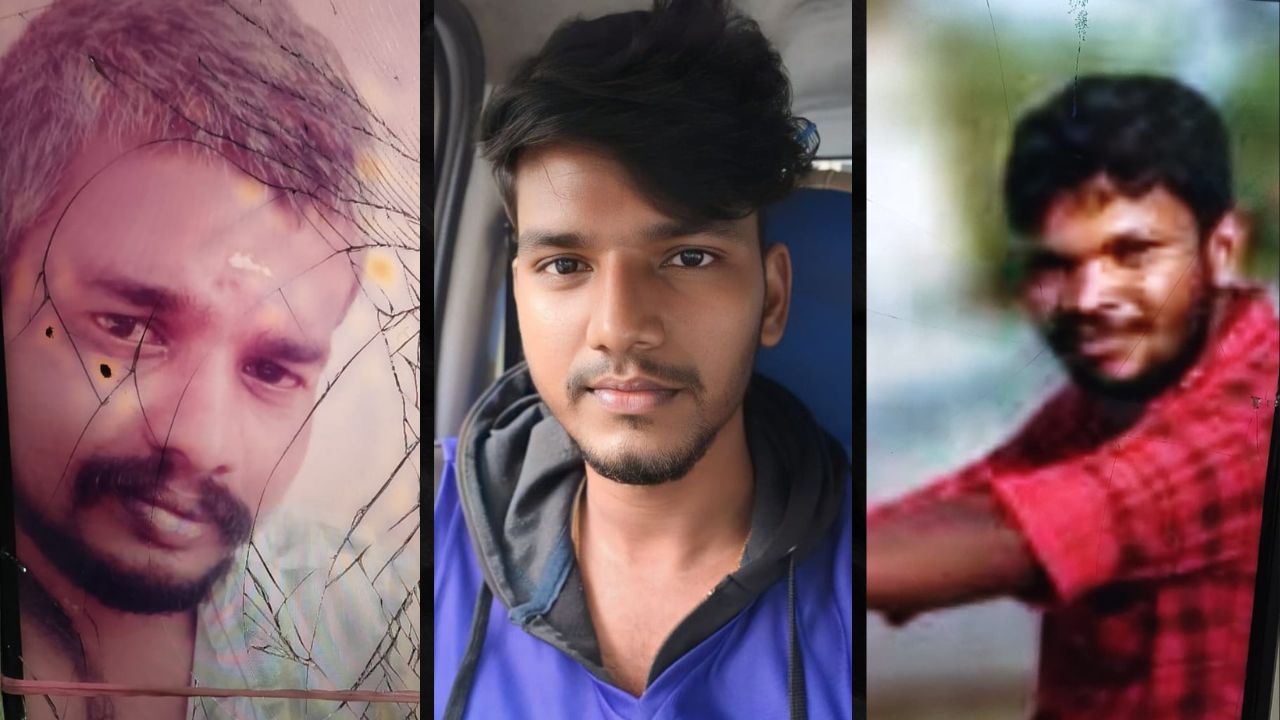
Post-mortem examinations of all three were conducted at the Tiruppur Government Hospital.
Synopsis: Three men died after inhaling toxic gas while cleaning an effluent tank at a dyeing unit in Tamil Nadu’s Tiruppur without any safety equipment. A case has been filed against four individuals, including the unit’s owner, following official inspections by the district administration and pollution control board. Activists have demanded ₹30 lakh compensation for each victim’s family, citing a Supreme Court ruling, and called for further rehabilitation measures.
In a tragic incident near Tiruppur, three Dalit men died after inhaling toxic gas while attempting to clean an effluent tank at a dyeing unit without any protective gear or safety equipment.
A case has been registered against four individuals, including the dyeing unit owner.
Saravanan, a garment worker from Ambedkar Nagar in Sundamedu, Iduvampalayam (within Tiruppur Corporation limits), along with his neighbours Venugopal and Harikrishnan, had travelled to Karai Pudur on Monday morning in a waste disposal truck owned by Chinnasamy to clean an effluent tank at a dyeing unit owned by a person named Naveen.
Without any proper tools or protective equipment, the three workers entered the effluent tank.
One after another, Saravanan, Venugopal and Harikrishnan lost consciousness and collapsed inside the tank due to exposure to toxic gases.
Chinnasamy and several others working at the unit also suffered ill effects while attempting to rescue them.
The victims were immediately taken to a private hospital near the Old Bus Stand in Tiruppur. Doctors confirmed that Saravanan and Venugopal had died before arrival.
Harikrishnan and Chinnasamy were admitted to the intensive care unit. Despite receiving treatment, Harikrishnan died on Tuesday morning.
Post-mortem examinations of all three were conducted at the Tiruppur Government Hospital.
The deaths have triggered outrage.
Upon learning about the incident, Tiruppur District Collector D Christuraj and District Superintendent of Police Girish Yadav Ashok visited the private dyeing unit at Chinnakarai on Monday night to conduct an inspection.
Officials from the Tamil Nadu Pollution Control Board (TNPCB) also inspected the site. The Collector stated that appropriate action would be taken against those responsible once the TNPCB’s report is received.
Based on a complaint filed by Kausalya, wife of the deceased Saravanan, the Palladam Police have registered a case against dyeing unit owner Naveen, General Manager Dhanapal, waste disposal truck owner Chinnasamy, and Supervisor Balasubramaniam.
The investigation is being led by Palladam Deputy Superintendent of Police Suresh.
Charges include causing death by negligence, compelling individuals to handle human waste, and engaging Scheduled Caste workers in hazardous manual scavenging.
S Nandagopal, District President of the Tamil Nadu Untouchability Eradication Front (TNUEF), along with other functionaries, accompanied the families of the deceased to meet Tiruppur Revenue Officer Karthikeyan, urging the government to take appropriate action.
In their petition, they cited the 2013 Supreme Court ruling which mandates a compensation of ₹30 lakh for those who die from exposure to toxic gases while cleaning sewage tanks.
They demanded this amount be given to the families of Saravanan, Venugopal and Harikrishnan. Additionally, they urged the government to provide the families with housing, land, employment and other rehabilitation measures.
They also requested a government job for one member from each bereaved family, educational assistance for the children of the deceased, and strict action against those who illegally forced the workers into the toxic environment.
To prevent such tragedies in the future, they recommended forming monitoring committees across the district, ensuring the participation of representatives from local bodies.
(Edited by Dese Gowda)


