

Published Jun 25, 2025 | 9:14 PM ⚊ Updated Jun 25, 2025 | 9:14 PM

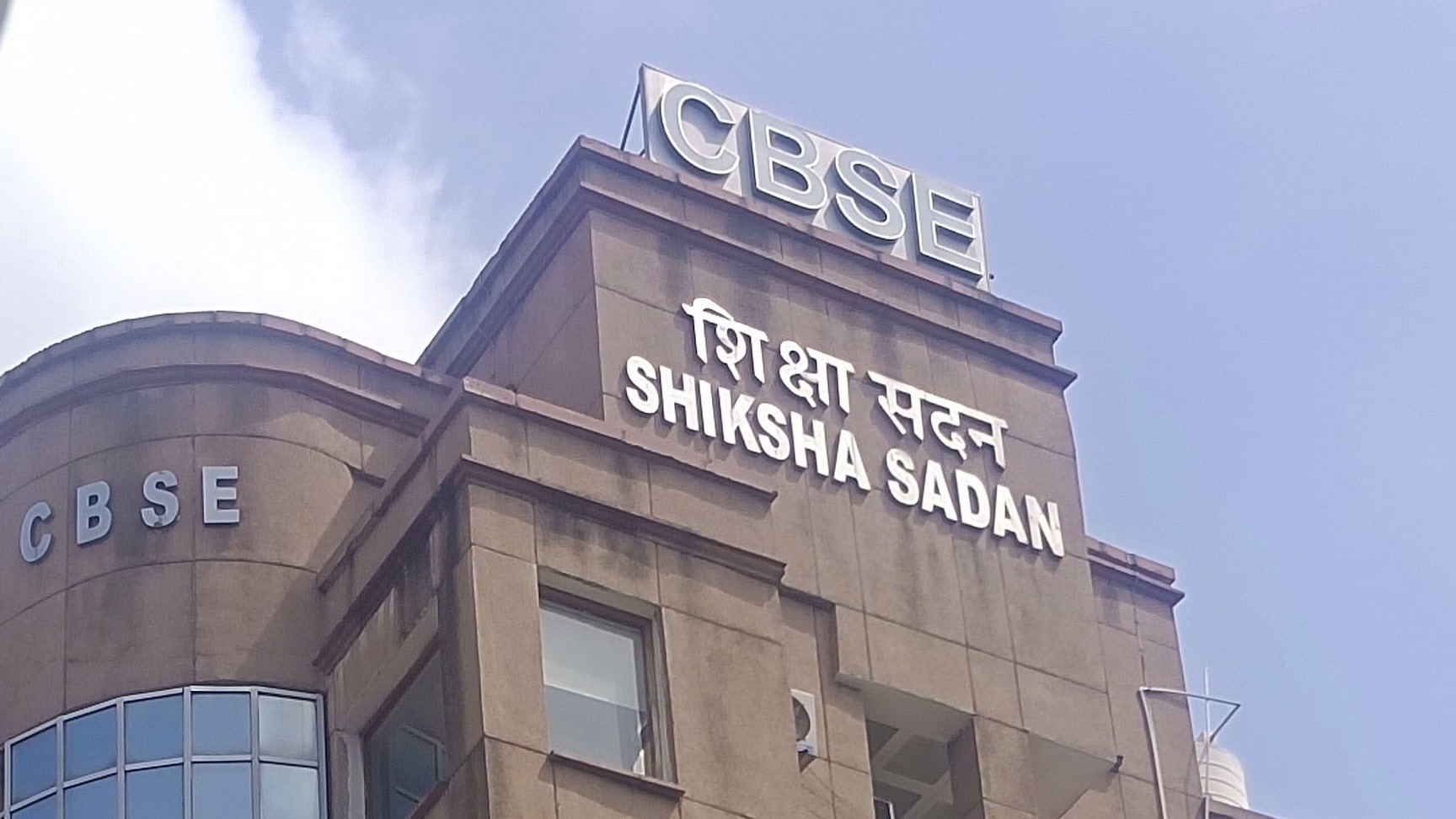
The new format will be implemented from the 2026 academic session.

Synopsis: From 2026, the CBSE will conduct Class 10 board exams twice a year, with the first session in February being mandatory and a second optional session around May or June. The move, aimed at reducing exam stress, was described as a much-needed step by Union Minister Dharmendra Pradhan.
The Central Board of Secondary Education (CBSE) has approved the conduct of Class 10 board examinations twice a year from 2026, in line with a key recommendation of the National Education Policy (NEP) 2020.
The Ministry of Education announced the decision on Tuesday through its official X handle, calling it “a major reform under NEP2020”.
“CBSE would conduct Class X Board Exams twice a year from 2026. This will reduce high-stakes pressure, ease the burden on students, offer flexibility, and promote joyful, stress-free learning,” the post read.
“It is a landmark shift towards competency-based assessments that value understanding over rote learning. This reform empowers students with choice, confidence, and second chances – reflecting NEP 2020’s vision of a more inclusive, learner-centric education system based on joyful curiosity.”
A major reform under #NEP2020!
CBSE would conduct Class X Board Exams twice a year from 2026.
This will reduce high-stakes pressure, ease the burden on students, offer flexibility, and promote joyful, stress-free learning.
It is a landmark shift towards competency-based…
— Ministry of Education (@EduMinOfIndia) June 25, 2025
Union Education Minister Dharmendra Pradhan termed the move as “laudable and a much-needed step”.
“This will reduce exam stress, provide more flexibility and foster joyful learning environment,” he wrote in a post on X.
“A key recommendation of NEP 2020, twice-a-year exams is a student-centric approach and also aligns with global education practices.”
The new format will be implemented from the 2026 academic session.
Students will have the option to appear for the board examination twice in a year. However, it will be mandatory to appear in the first phase, scheduled for February, according to CBSE Examination Controller Sanyam Bhardwaj, as reported by PTI.
The second phase of the examination, likely to be held around May or June, will be optional.
The results of the first exam will be declared in April, while the second set of results will be released in June.
The board has also clarified that internal assessment will be conducted only once in the academic year.
The change aims to reduce the pressure of a single high-stakes exam, offering students an additional opportunity within the same academic cycle without the stigma of “compartment” or “supplementary” exams.
(Edited by Dese Gowda)



