

Published Jul 05, 2025 | 11:11 PM ⚊ Updated Jul 05, 2025 | 11:11 PM

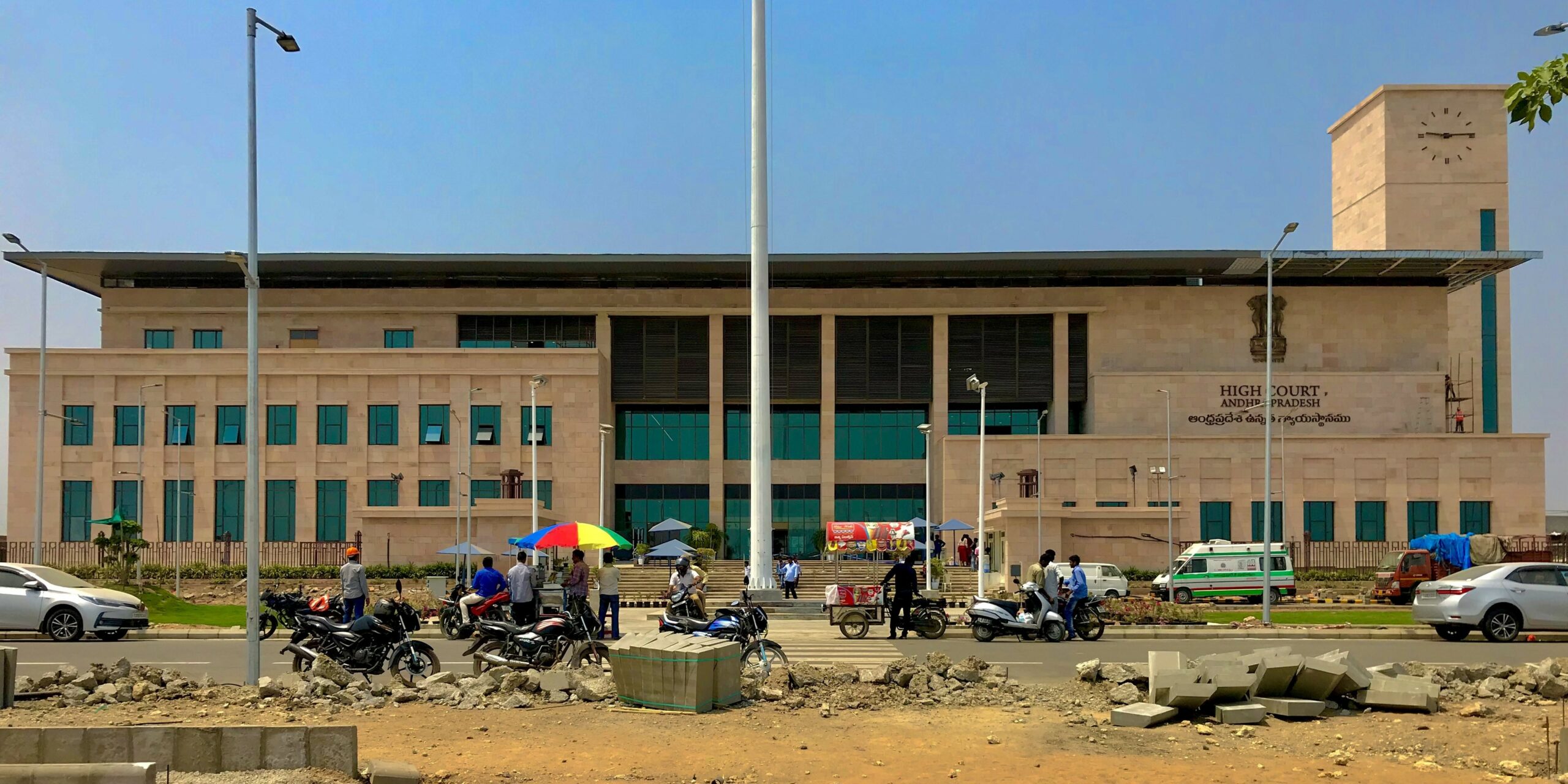
The Andhra Pradesh High Court. (Wikimedia Commons)
Synopsis: To prevent misuse of criminal law in social media-related cases, the Andhra Pradesh High Court has directed Judicial Magistrates to strictly follow Supreme Court rulings in Arnesh Kumar (2014) and Imran Pratapgarhi (2025). Issued via Circular No. 8/2025, the order addresses illegal remands in cases involving speech offences with less than seven years’ punishment, emphasizing procedural safeguards
In a significant move to curb the misuse of criminal law in social media-related cases, the High Court of Andhra Pradesh has issued a circular directing all Judicial Magistrates to strictly adhere to Supreme Court guidelines while remanding accused individuals in such matters.
The circular, issued under CIRCULAR NO. 8/2025 (Ref: ROC.NO.99/SO/2023), emphasizes the mandatory application of principles laid down in the landmark Supreme Court rulings — Arnesh Kumar v. State of Bihar (2014) and the recent Imran Pratapgarhi v. State of Gujarat (March 2025).
The High Court observed that several Magistrates have been routinely remanding accused persons in cases involving social media posts or comments — where the maximum punishment is less than seven years — without properly following due legal procedure.
The court said this violates established Supreme Court directions meant to safeguard free speech and prevent arbitrary arrests.
The Arnesh Kumar judgment (2014) sought to prevent unnecessary arrests in offences where the punishment is less than seven years, insisting that arrest must not be automatic and that police must record valid reasons.
The Imran Pratapgarhi ruling expanded on this framework in the context of speech-related offences, recognizing the potential chilling effect on free expression due to indiscriminate police action.
The Andhra Pradesh High Court has made it clear that these circular instructions must be “scrupulously followed” by all Judicial Magistrates.
It reiterated that deviation will not be tolerated and will attract strict disciplinary consequences.
The directive comes amid rising concerns over multiple FIRs being filed across various police stations for the same social media content, often leading to prolonged legal harassment and arrests of individuals, including activists and journalists.
This circular is expected to serve as a strong reminder to the lower judiciary to uphold constitutional protections for free speech and ensure procedural safeguards in all speech-related criminal proceedings.
(Edited by Ananya Rao)



