

Published Oct 02, 2026 | 9:30 AM ⚊ Updated Oct 02, 2026 | 9:30 AM

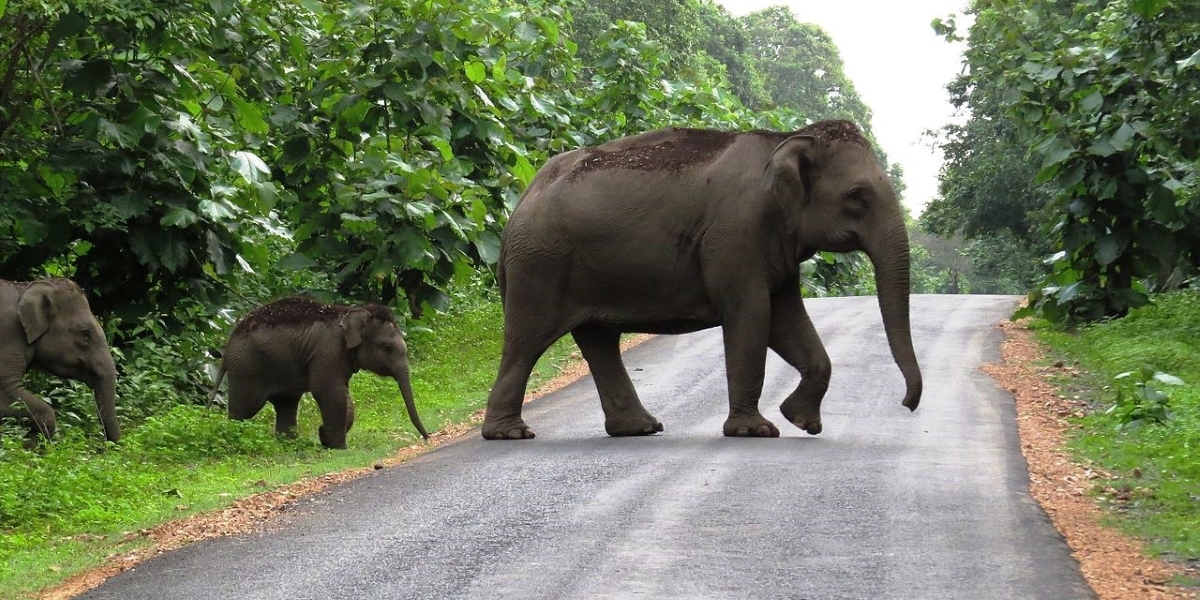
When traditional routes are blocked, elephants are often forced to pass through human-dominated areas.

Synopsis: Idukki District Collector Dinesan Cheruvatt’s order to remove illegal fences and other barriers blocking elephant corridors has sparked a sharp debate, with environmental groups backing the move and farmer and church groups opposing it. With elephant attacks continuing in the district, the controversy has now widened into a larger debate over protecting wildlife corridors while safeguarding the lives, land and livelihoods of high-range residents.
District Collector Dr Dinesan Cheruvat in Keralam’s Idukki is receiving both bouquets and brickbats for an order he had delivered on 23 September.
Cheruvat’s order to clear illegal fences from elephant corridors in the hilly district has once again reopened the festering wounds of man-wildlife conflict, while also rekindling the sporadic debate over ecologically sensitive areas (ESAs) along the Western Ghats.
With six people reportedly killed in wild elephant attacks in 2026 alone, the Collector targeted what he saw as a critical but often overlooked part of the problem: the obstruction of traditional elephant routes.
His move won applause from environmental groups but has hit a raw nerve in the high ranges, triggering strong protests from farmer and church groups and turning an administrative intervention into another contentious issue in the high-range district.
The decision has put him on opposite sides of a sharply divided debate.
Also Read: Elephants sans passage, people without peace
It began with a report sought in August. By September, the Idukki district administration had moved in to remove the illegal fences obstructing corridors, stepping up efforts to restore traditional elephant paths amid rising human-wildlife conflict in the district.
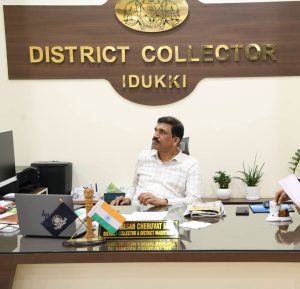
Idukki District Collector Dr Dinesan Cheruvat, IAS.
The action followed his directive last month to the Forest Department to identify illegal constructions along elephant corridors across Idukki.
At a District Development Committee meeting held at the Collectorate in August, Cheruvatt asked forest officials to collect details from all divisions on unauthorised structures and other obstructions along known traditional elephant routes.
The issue cropped up during a discussion on the Forest Department’s refusal to permit boating services at the Anayirankal dam.
The Forest Department, meanwhile, raised serious concerns about obstructed elephant corridors, particularly in areas such as Chinnakanal.
Officials recently cleared a major encroachment in the Devikulam forest range that had been obstructing the movement of wild elephants near the Anayirankal reservoir.
Then the Idukki district administration moved to clear illegal fences blocking wildlife corridors.
It triggered a sharp backlash from farmer organisations and the Catholic Church, even as the state government backed the drive, saying it would remove only unauthorised structures on government land.
Cheruvattu issued the order on 23 September, directing the removal of unauthorised fences, walls and other structures obstructing wildlife movement. The Munnar Divisional Forest Officer (DFO), along with officials of the Revenue, Local Self-Government and Survey departments, was tasked with identifying and removing such barriers along forest boundaries and wildlife corridors.
The order said the Devikulam Sub-Collector, Munnar DFO, LSGD Joint Director and Deputy Director of Survey had been deputed to remove structures impeding wildlife movement.
Forest officials subsequently initiated action in the Devikulam forest range, dismantling illegally erected solar fences at Panthadikkalam and clearing other barriers identified as obstructions to elephant movement.
The move, however, drew strong protests from farmer groups and the Idukki Diocese of the Syro-Malabar Church.
The diocese described the order as “inhumane”, arguing that farmers depended on fences and walls to protect their lives, homes and crops from wild animals.
It contended that removing such protective barriers could leave human settlements vulnerable to unrestricted wildlife movement. The diocese also alleged that the order had been issued without adequate study and demanded its immediate withdrawal.
The All India Kisan Sabha (AIKS), a farmers’ wing, also opposed the directive. AIKS leaders argued that the order could effectively force residents to leave areas needed for wildlife movement and alleged that the decision was taken at the behest of the Forest Department.
The Kerala Catholic Bishops’ Council Jagratha Commission also demanded the withdrawal of the Collector’s order, warning that its implementation could affect the constitutional rights of people living in the high ranges.
The commission disputed the contention that obstruction of wildlife corridors was a major cause of the rise in human-wildlife conflict. While supporting the removal of illegal constructions inside forest areas, the KCBC panel said legally settled residents should not be disrupted in the name of wildlife protection.
It also warned that allowing the directive to stand could set a precedent for similar action in other districts. It said the controversy could further deepen high-range residents’ concerns over the proposed Ecologically Sensitive Area (ESA) notification.
The Forest Department, however, sought to allay the concerns, saying the action was aimed exclusively at encroachments on government land and not at fences erected on legitimate private holdings.
The department said it had neither recommended nor initiated the removal of fences from private farmland. The ongoing action, it said, was confined to illegal encroachments and fencing identified along elephant corridors passing through revenue and forest land.
Also Read: Growing human-wildlife conflict calls for strict habitat management measures
The government subsequently backed the Collector’s initiative.
Chief Minister VD Satheesan said that ambiguity in the Collector’s order had led to unnecessary apprehension among residents. He said the administration was targeting fences put up by encroachers across elephant corridors and assured that genuine farmers would not be affected.
Forests and Wildlife Protection Minister Shibu Baby John said large resorts and other illegal constructions along traditional elephant routes in Chinnakkanal and the Devikulam forest range were impeding wildlife movement. He said the department would act against such constructions, pointing out that around 18 wild elephants had become stranded in Chinnakkanal because of blocked corridors.
Despite the protests, the Forest Department has continued with the clearance drive.
Officials removed fences at Panthadikkalam and restored the elephant corridor. The Devikulam Forest Range Office also reported the dismantling of illegal fences erected in the catchment areas of the Anayirankal dam for cardamom cultivation.
Authorities also removed another barrier blocking elephants from crossing National Highway-85 between Mathikettan and Chinnakkanal.
The issue, meanwhile, snowballed into a larger confrontation over protecting wildlife corridors and the rights of high-range residents.
Amid continuing protests, the District Collector announced another decision. This time, constituting a four-member technical committee to examine the factors driving the conflict and suggest measures to address it.
The committee, constituted through an order issued on 28 September, will be headed by Dr PS Easa, former director of the Kerala Forest Research Institute (KFRI) and a member of the IUCN Asian Elephant Specialist Group.
KFRI scientist Dr Rajan Pilakandy, retired Botany professor Dr Jomy Augustine, and tribal representative Murukesan of Priyadarshini Colony, 80 Acres, Singukandam, are the other members.
The panel has been asked to conduct a detailed field assessment of the affected areas. Its terms of reference include examining ecological and environmental conditions, identifying crops that attract elephants, and suggesting ways to protect farmland.
It would also study the area’s vegetation and water availability and their influence on elephant movement, as well as map traditional elephant routes and identify obstructions along these paths.
The committee has been tasked with recommending practical measures to restore or reopen traditional movement routes and proposing eco-restoration measures in forests and adjoining areas to improve elephant habitat and reduce human-animal conflict.
The panel could conduct field inspections, consultations and technical assessments as required.
It has been directed to submit its detailed report to the Chairperson of the Idukki District Disaster Management Authority, also the District Collector, within one month.
At the same time, 10 environmental organisations have come out in support of Collector Cheruvatt, opposing what they described as a campaign of threats and intimidation over his action against illegal encroachments and obstructions in wildlife corridors.

A poster supporting the Collector prepared by an environmental group
In a joint statement, the groups said the Collector was implementing directions of the Supreme Court and Kerala High Court by ordering the removal of illegal fences, walls and other structures on government revenue land, including those obstructing elephant corridors.
They also backed his 23 September order concerning illegal constructions in five panchayats.
The organisations urged the state government to initiate contempt proceedings against those allegedly threatening the Collector, naming political leaders, the Idukki Diocese and the Marxist party.
They also sought adequate security for Cheruvatt, who also heads the Idukki District Disaster Management Authority.

Another poster supporting the Idukki District Collector
The groups said the order could have far-reaching implications for environmental protection and the rule of law. They alleged that attempts to question illegal commercial establishments, resorts and other structures in wildlife corridors were being portrayed as an attack on farmers and religious interests.
The Sanctuary Nature Foundation, another environmental group, separately called for protection of genuine farmers while insisting that disputed orders should be challenged through courts, not political pressure.
It urged the government to protect the Collector, restore elephant corridors and remove illegal encroachments.
According to Wildlife Trust of India, Asian elephants need vast habitats and large quantities of food and water to survive.
In Keralam’s increasingly fragmented landscape, keeping traditional wildlife corridors open is crucial to ensuring their movement between forests and maintaining healthy populations.
Forest Department officials said an elephant may require nearly 500–700 kg of food and water a day.
Their seasonal and nomadic movements in search of food, water and suitable habitats can be disrupted by roads, settlements, fences and other human-made as well as natural barriers.
When traditional routes are blocked, elephants are often forced to pass through human-dominated areas, increasing the possibility of encounters with people and, in turn, human-elephant conflict.
Wildlife corridors also facilitate the movement of elephants between habitats and help maintain demographic and genetic connectivity among populations. However, increasing fragmentation of forests and the expansion of human settlements around traditional routes have emerged as major challenges to corridor protection.
Keralam has four major elephant corridors identified in the second edition of Right of Passage: Elephant Corridors of India (2017): Thirunelli–Kudrakote, Nilambur–Kovilakom–New Amarambalam, Peria–Pakranthalam, and Kottiyoor–Periya.
The need to protect and restore such movement routes has become particularly urgent in Idukki, where human-elephant conflict remains a serious concern. Six people have died in elephant attacks in the district so far this year, according to officials.
The problem is especially acute in Chinnakanal, Santhanpara and Rajakumari grama panchayats, which share boundaries with forest areas and have witnessed frequent human-elephant interactions.
(Edited by Majnu Babu).



