

Published Oct 22, 2026 | 4:25 PM ⚊ Updated Oct 22, 2026 | 4:25 PM

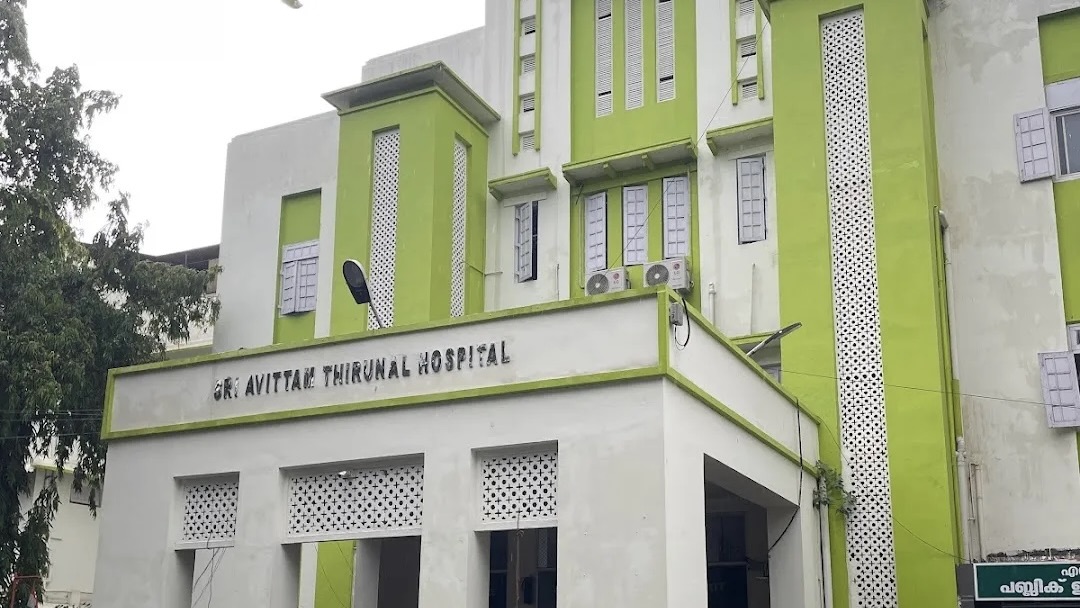
The hospital said the initiative would reduce treatment costs and enable more children to access medication.

Synopsis: The SAT Hospital in Thiruvananthapuram has rejected allegations that Natco Pharma’s lower-cost Spinal Muscular Atrophy drug, Natsmart, is being used in a clinical trial, saying its use follows the recommendations of a government-appointed expert committee and has the necessary approvals. The IMA Kerala has welcomed the government’s move to make treatment more affordable but has called for clarity on the drug’s source, quality checks and distribution after some parents received packages marked “sample”.
The controversy over the supply of a lower-cost drug for children with Spinal Muscular Atrophy (SMA) has prompted the Sree Avittom Tirunal (SAT) Hospital, Thiruvananthapuram, Keralam, to reject allegations that the medicine is being used in a clinical trial, while the Indian Medical Association (IMA) Kerala has welcomed the government’s move to make treatment more affordable.
Both have stressed the need to protect patients’ interests, ensure drug safety and maintain uninterrupted treatment.
SAT Hospital Superintendent Dr Riyas said the decision to provide Natco Pharma’s Indian-manufactured drug, Natsmart, as a lower-cost alternative to Roche’s Evrysdi was based on the recommendations of a government-appointed expert committee.
He said the drug had received the necessary approvals from the Supreme Court and the Drugs Controller General of India, and urged people not to spread misinformation by describing it as an experimental drug.
The medicine has been available in the open market for nearly a year and is already being used by several SMA patients, he said. The hospital’s medical team was committed to addressing concerns raised by patients and their families, he added.
Dr Riyas said the initiative would reduce treatment costs and enable more children to access medication that would otherwise place a heavy financial burden on their families. He also cautioned against attempts to undermine the hospital’s development initiatives.
The superintendent rejected allegations that Natco Pharma’s financial assistance for the renovation of a paediatric ward was connected to the medicine controversy.
He said the hospital’s charitable society, SATHHES, had sought corporate social responsibility (CSR) funding from the company on 25 March to renovate Ward 14, an isolation ward for children with infectious diseases.
The company subsequently transferred an initial instalment of ₹25 lakh to the society’s account.
He said a photograph taken at an event in August, when company representatives handed over the relevant certification in the presence of the Health Minister, was being circulated misleadingly as evidence of a meeting connected with the drug controversy.
Also Read: Complan boy, Lactogen Pro girl? FSSAI issues notices to Zydus Wellness, Nestlé
The IMA Kerala State branch welcomed the Health Department’s efforts to expand SMA treatment and reduce its cost.
It said the availability of a cheaper version of Risdiplam could help the government extend treatment to more children and make rare-disease care financially sustainable.
However, the association stressed that affordability should go hand in hand with quality assurance, scientific evidence and expert supervision.
It said the Health Department should clarify the source of the medicine, the quality assurance measures in place and its distribution following concerns raised by some parents who received packages marked “sample”.
The IMA also called for an efficient distribution system and long-term arrangements to ensure uninterrupted treatment for all eligible children, irrespective of their families’ financial circumstances.
Patient safety, continuity of treatment and public health should remain the primary considerations, rather than disputes between pharmaceutical brands, the association said.
(Edited by Dese Gowda)



