

Published Nov 17, 2026 | 5:32 PM ⚊ Updated Nov 17, 2026 | 5:32 PM

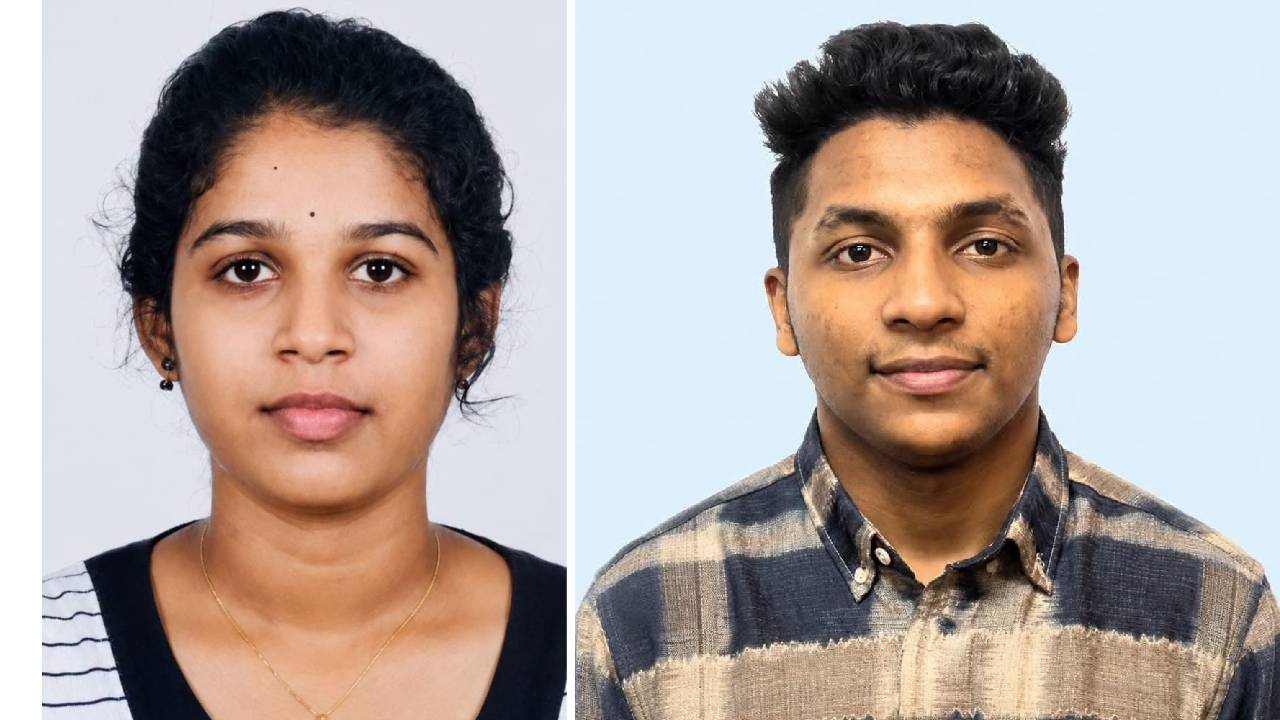
Savaria Basanth was reportedly attacked on the head by Sadarul Anam, which resulted in her death in July.

Synopsis: Haripad resident Savariya Basanth was an MBBS student at Uzbekistan’s Bukhara State Medical University, where her classmate, Sadarul Anam from Malappuram, killed her by hitting her on the head in July. A court in the Central Asian country sentenced Anam to 8.5 years in prison under Section 104 of the Uzbekistan Criminal Code, which provides for a maximum prison term of 10 years.
An Uzbekistan court has sentenced Sadarul Anam, a 22-year-old medical student from Pulamanthol in Malappuram, to eight and a half years in prison for murdering his classmate, Savaria Basanth (21) from Pilappuzha in Haripad, Alappuzha.
Savaria’s family learnt about the verdict through a lawyer they had engaged in Uzbekistan.
The court imposed the sentence under Section 104 of the Uzbekistan Criminal Code, which provides for a maximum prison term of 10 years.
Savaria’s father appeared as a witness last month.
However, the family is yet to receive a copy of the court order, a relative, Janeesh, told South First. The Haripad police have also not received any official communication from Uzbekistan.
The family earlier alleged that Anam had repeatedly put pressure on Savaria to convert to another religion.
Related: Family says Kerala student refused to convert, tortured before murder in Uzbekistan
Savaria was murdered in July while she was preparing to return home after her first-semester examinations. Anam reportedly assaulted her inside the hostel and killed her by hitting her head with a laptop.
The case had also triggered allegations of the so-called ‘love jihad’ following Savaria’s murder. BJP MP C Sadanandan Master raised the issue at the national level and sought intervention from central agencies.
The case, initially registered at Haripad police station based on her father’s complaint, was later transferred to the Crime Branch, which will seek details from the Uzbekistan authorities.
Savaria, daughter of Basanth and Mini Suprabha, was a first-year MBBS student at Bukhara State Medical University.
She was killed in July 2025, allegedly by Sadarul, who assaulted her inside their hostel and struck her on the head. The two were staying in the same hostel due to a shortage of accommodation.
(Edited by Majnu Babu).



