

Published Nov 15, 2026 | 10:00 AM ⚊ Updated Nov 15, 2026 | 10:00 AM

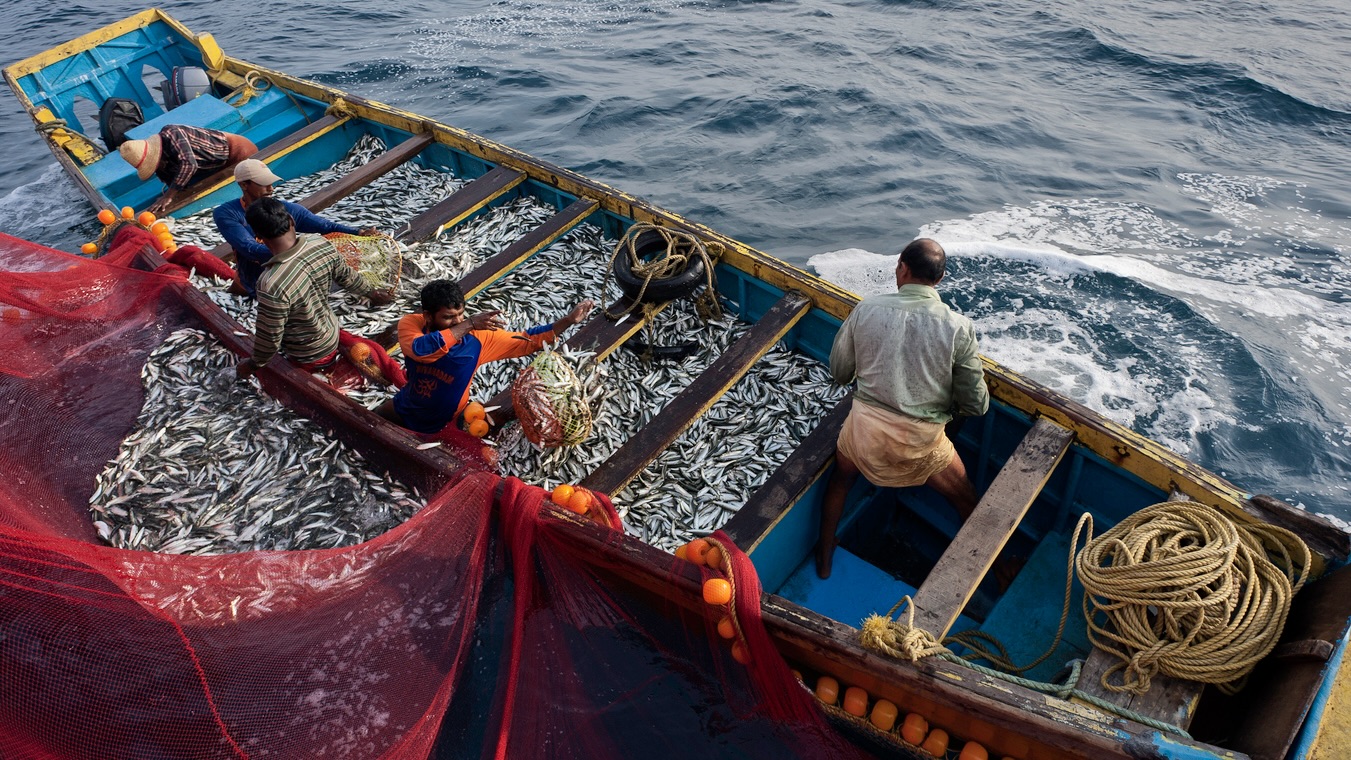
The removal of juvenile fish before they reach maturity could affect natural breeding and regeneration.

Synopsis: Juvenile sardines, mackerel and other undersized fish caught along Keralam’s coast are being illegally transported to Andhra Pradesh, Odisha, Goa and Gujarat for use in fishmeal, fish oil, fish powder and fertilisers, and as feed in fish farms. The trade, driven by strong demand from manufacturers offering attractive commissions, threatens the natural regeneration of commercially important fish stocks.
Juvenile sardines, mackerel and other undersized fish caught along Keralam’s coast are being illegally transported to Andhra Pradesh, Odisha, Goa and Gujarat, where they are used to make fishmeal, fish oil, fish powder and fertilisers, and as feed in fish farms.
Strong demand from manufacturers in these States has drawn local agents, fishers and migrant workers into the trade, with attractive commissions offered for procuring the catch.
The removal of juvenile fish before they reach maturity could affect natural breeding and regeneration, reduce the availability of commercially important species and hurt the fishing sector in the long run.
The government has prescribed minimum legal sizes for 58 commercially important marine fish species along the Keralam coast. Catching fish below these sizes is prohibited.
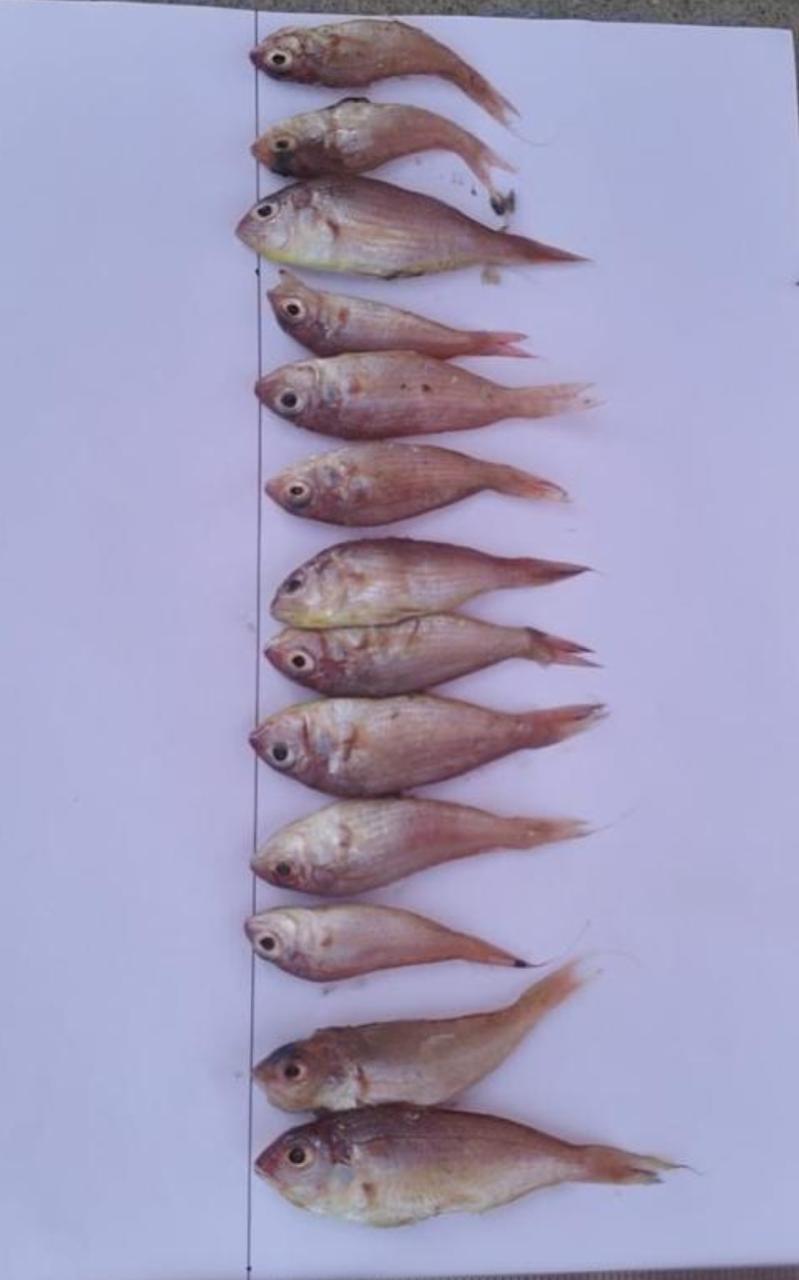
The government has prescribed minimum legal sizes for 58 commercially important marine fish species along the Keralam coast.
Indian oil sardines, locally known as mathi, and Indian mackerel, or ayala, are particularly vulnerable to such fishing. The minimum legal size for oil sardines is 10 cm. Yet, fine-mesh nets, including those with illegal cod-end mesh sizes, are increasingly being used to catch large quantities of fish indiscriminately.
Mathias, a fisherman from Neendakara in Kollam, said the practice could have serious consequences for the fishing community.
“What we are seeing is not the usual catch of small fish that comes along with a regular haul. Large quantities of juvenile fish are being collected specifically for sale. These fish should be allowed to grow and reproduce. If they are taken out of the sea at this stage, what will be left for the coming seasons?” he told South First.
“There is a market for these fish, and people are being paid to collect them. Both local and migrant workers are said to be involved in it. Maybe for additional income. When the price is attractive, more people get involved. Also, fertiliser manufacturers outside Keralam are reportedly offering attractive commissions to local agents and fishers, creating an incentive to procure the catch in large quantities.”
An earlier scientific assessment by the ICAR-Central Marine Fisheries Research Institute (CMFRI) found that marine fish stocks were vulnerable to overfishing.
Benevolence, a traditional fisherman from Vizhinjam in Thiruvananthapuram, told South First that small-scale fishers would be among the worst affected by the trade.
“When large vessels take everything in bulk, including fish that have not even grown, smaller fishing units are the ones who suffer,” he said.
Also Read: Losing livelihood: Kerala fishermen return empty-handed as man-made factors chase fish away
Fisheries Minister VE Abdul Gafoor told the Assembly in October that the government had received reports of large-scale capture of juvenile fish and their transportation to other States. Large trawlers from other States were also involved, he said.
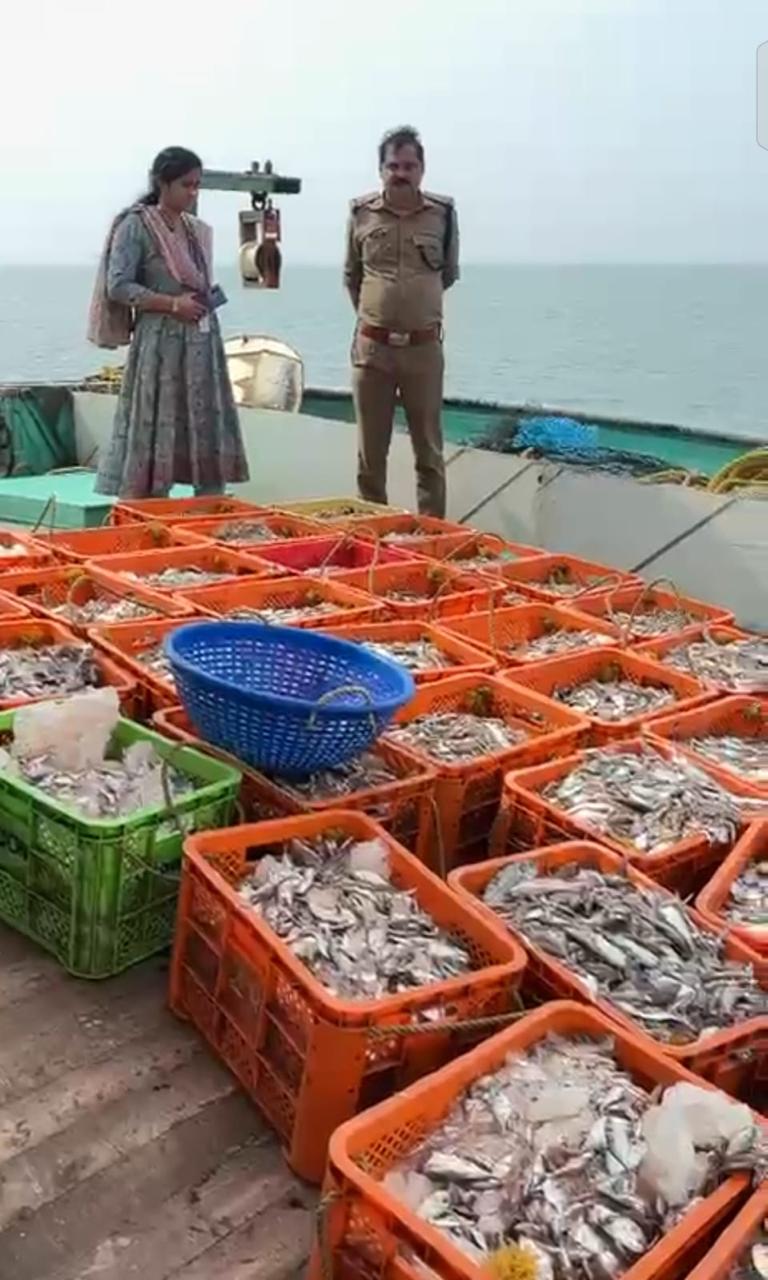
Fisheries Department officials with the juvenile fishes caught from a boat in Thrissur on 13 November
The Fisheries Department has directed officials in all nine coastal districts to conduct inspections and night patrols at sea, harbours and landing centres. Vessels involved in juvenile fishing are liable to be impounded and fined.
During the current financial year up to October, 60 fishing vessels were impounded and fines totalling ₹40.30 lakh imposed for juvenile fishing.
The department launched Operation Paithal (meaning infant in Malayalam) on 13 November. Special squads are conducting surveillance and surprise inspections across the nine coastal districts. The operation will continue until 10 January 2027.
On 13 November, the Fisheries Marine Enforcement Task Force seized a fishing boat carrying five tonnes of undersized fish off the Thrissur coast.
The boat, Soris, was intercepted west of the Chettuva estuary. It belonged to Neeraj Thayattuparambil of Munambam in Ernakulam district and was carrying around 5,000 kg of juvenile Kilimeen, including threadfin bream and similar varieties, measuring less than the prescribed minimum size of 12 cm.
The Deputy Director of Fisheries, Thrissur, imposed a fine of ₹2.5 lakh on the owner. Officials released the fish back into the sea and confiscated nets with illegal mesh sizes.
Thrissur Deputy Director of Fisheries Rajesh S said action would continue against those engaged in such fishing. Special squads would conduct inspections at harbours and landing centres.
The department has also planned awareness campaigns with the Coastal Police, Harbour Engineering Department, Coast Guard and Indian Navy.
Fisheries management councils at the State, district and village levels are conducting awareness programmes on the law and sustainable fishing through 213 Village Fisheries Management Councils.
(Edited by Dese Gowda)



