

Published Nov 26, 2026 | 12:05 PM ⚊ Updated Nov 26, 2026 | 12:05 PM

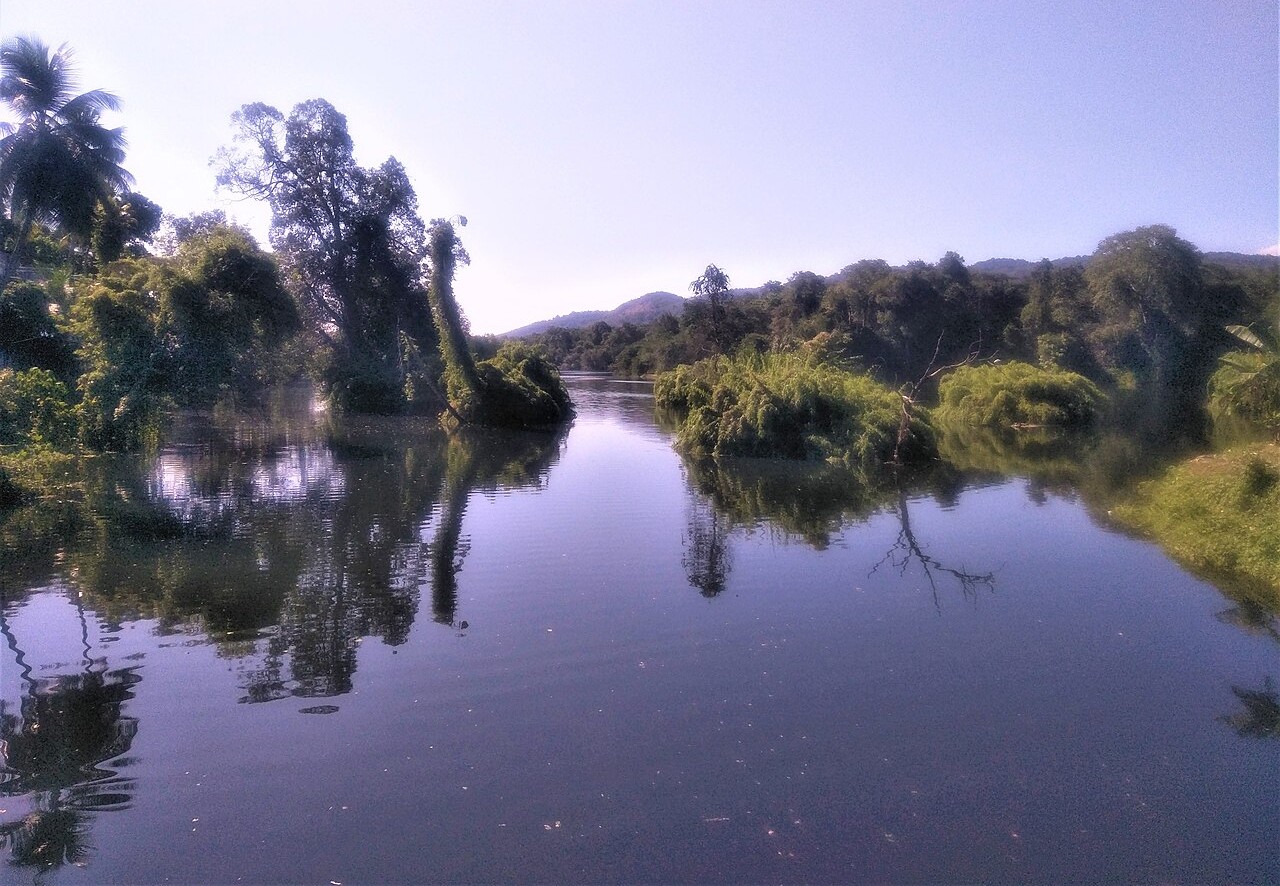
The planned hydropower project falls within the 476.19 sq km of Kuttampuzha ESA. (Thankachan Nellikkunnel/Creative Commons)

Synopsis: A proposed 7 MW hydropower project at Pinavoor in Keralam’s Ernakulam district has triggered strong opposition from residents and environmental groups over fears that it could obstruct elephant corridors, threaten drinking-water sources, worsen flooding and landslide risks, and affect tribal communities. The controversy comes amid the UDF government’s push to expand renewable energy, with protesters demanding independent environmental and safety assessments before the project proceeds.
At a time when Keralam is looking to make a major push for renewable energy, with Chief Minister VD Satheesan himself stressing the need to expand solar power generation and battery storage, a proposed 7 MW small hydropower project at Pinavoor in Ernakulam has run into stiff opposition over its potential environmental costs.
The contradiction is striking: while the state is under pressure to boost power generation to meet rising demand, the project has raised questions about the price its forests, wildlife and local communities may have to pay for adding to the energy pool.
The chief minister recently assessed that the state currently produces only around 15% of its total electricity requirement and that demand is expected to rise by 2030–31.

The proposed 7 MW hydropower project at Pinavoor. (Cochin Hydro Power (Pinavoor) Pvt. Ltd)
What has particularly alarmed conservationists and residents is the possibility that a project meant to harness water for electricity could disrupt wild elephant movement, threaten drinking-water sources, aggravate flood risks and affect the lives of forest-dependent communities.
The proposed Cochin Hydro Power (Pinavoor) Private Limited-developed Pinavoor Small Hydropower Project (SHP) requires the diversion of around 3.1798 hectares of forest land.
The project area falls within the Kuttampuzha Ecologically Sensitive Area (ESA), described by the Coexistence Collective, Keralam — a coalition of environmental organisations, scientists, farmers and NGOs — as the only notified ESA in Ernakulam district.
It also called for independent assessments and greater transparency before undertaking any irreversible construction activity.
Also Read: Why the 12-MW Maniyar project is now Kerala’s most contentious power asset
Citing a compilation of Forest Department inspection records, project documents, hazard maps, satellite imagery and accounts from local communities, the Collective has raised several questions about the project’s suitability for the location.
Even the Forest Department’s site inspection report, they said, flagged concerns over the proposed 930-metre penstock alignment along the slope of Pambuvettupara, elephant movement, tailrace discharge, flooding, wildlife mitigation and compliance with the Forest Rights Act.
The pipeline is planned at ground level, which could create a physical barrier to elephant movement.
The inspection report noted existing elephant paths in the area. It warned that the pipeline could obstruct their free movement, possibly diverting the animals toward Pinavoorkudy settlement and other inhabited areas.
It recommended embedding the pipeline or adopting another technically acceptable arrangement that would allow elephants to cross without obstruction. The concern is particularly serious given the frequency of elephant sightings in the Mamalakkandam forest area.
Wildlife clearance requirements have also come under scrutiny.
The Collective said the proposed powerhouse is around 4.2 km from the existing boundary of Thattekad Bird Sanctuary — Keralam’s first bird sanctuary — raising questions about the applicable safeguards in relation to the sanctuary’s 10-km Eco-Sensitive Zone.
The Forest Department inspection reportedly found deficiencies in the wildlife mitigation plan and recommended that a competent agency revise it and that the Chief Wildlife Warden approve it.
The Coexistence Collective disputed the mitigation plan’s reported assertion that there were no elephant sightings or human-wildlife conflict incidents in the project area over the past decade.
It pointed to reports of two human deaths in Pinavoorkudy associated with elephant conflict. It said Forest Department Rapid Response Team personnel continue to intervene to drive elephants away from settlements.
Conservationists are also concerned about the impact of tunnelling, muck removal, cable laying, increased human presence and construction-related disturbance on elephant movement and habitat connectivity. They called for a detailed field-based wildlife assessment to identify animal movement routes and sensitive habitats before work begins.
Also Read: Unannounced power cuts amid heatwave spark political clash in Kerala
The project’s possible impact on local water sources is another major concern, particularly in a region that already experiences seasonal scarcity.
Residents alleged that a forest stream linked to the Mamalakkandam Thalippara drinking-water scheme under the Jal Jeevan Mission has been drying up since the project activities began.
The drinking-water scheme, reportedly costing around ₹10 crore, serves approximately 600 families.
However, residents said the streams in the region carry adequate water for only five to six months, while December to May sees severe shortages.
They also pointed out that around 150 tanker loads of water were supplied to two wards during 2025-26, reportedly sourced from a Kerala Water Authority distribution point about 16 km away.
Residents expressed fear that any diversion or modification of the Mamala stream could further compromise water availability. The Coexistence Collective has called for a detailed hydrological assessment covering summer flows, environmental flow requirements, downstream users and the reliability of the drinking-water scheme.
The Forest Department has separately raised concerns about the proposed tailrace discharge into Pinavoorkudy Thodu, which passes through the settlement. Its report called for an assessment of peak discharge against the stream’s carrying capacity, particularly given recurring monsoon flooding. It also recommended examining the need for stream-bank stabilisation.
Residents said floodwaters affected houses and agricultural land in the wider Mamalakkandam region. They were concerned that additional water discharge, changes in drainage patterns and construction activity could worsen the situation.
The history of floods and landslides in the area, they argued, should be examined before the project moves forward. Residents have also pointed to visible signs of previous landslides along parts of the proposed penstock alignment.
The project area is reportedly classified as landslide-hazard-prone and earthquake-prone in Kerala State Disaster Management Authority (KSDMA) mapping. The collective said these classifications make independent geological and disaster-risk assessments essential, particularly for tunnelling, blasting and slope modification.
It has also flagged the proposed tunnel’s spatial proximity to mapped geological lineaments and regional tremor locations. These are preliminary map-based observations and require field-level geological verification.
Also Read: Western Ghats draft ESA map returns after 13 years with new boundaries, old questions
The project’s proximity to the Anandankudy area of the Pinavoorkudy tribal settlement has raised additional concerns.

A protest rally against the project in July.
The Forest Department inspection report called for completion of the certification process related to settling rights under the Forest Rights Act. It also noted that the project proposes to use an existing road passing through the settlement and recommends obtaining the consent of the Forest Rights Committee.
Residents and conservationists sought clarity on whether the statutory safeguards, community consultation requirements and rights of affected tribal families have been fully addressed.
The manner in which the project received local approval has also become contentious.
Residents alleged that the Kuttampuzha Grama Panchayat issued a no-objection certificate (NOC) in 2023 without adequately informing the affected communities. They said they learned about the proposal only on 29 July 2025, when Forest Department officials visited the site.
Opposition to the project gained momentum in July 2026, when residents staged protest marches and a dharna at the Kuttampuzha Panchayat office. Hundreds of people from two wards participated, demanding that the project be abandoned and citing threats to their livelihoods, water sources, and the surrounding environment.
Satheesh, a member of the Mamalakkandam Samrakshana Samithi and a resident, said the project could aggravate the difficulties already faced by people living in the region.
“We are not opposed to development or electricity generation. But a project of this scale in a forest-fringe area like Pinavoor cannot be viewed merely as a power-generation initiative. Our drinking-water sources are already unreliable, elephants regularly move through this landscape, and several areas are vulnerable to flooding and landslides. Diverting streams, laying pipelines along elephant routes and carrying out construction in such a fragile terrain could put both people and wildlife at risk. It is the local community that will have to live with the consequences long after the project is completed,” the resident said.
Satheesh further added, “Development should not come at the cost of the safety and livelihood of the people here.”
Also Read: Elephants sans passage, people without peace
The proposed diversion of forest land has also brought the compensatory afforestation plan under scrutiny.
The collective has questioned the ecological suitability and current status of the land identified for compensatory planting, as well as whether the proposed plantation would genuinely compensate for the loss of an existing forest ecosystem.
It has sought disclosure of the afforestation plan, including the site’s status, suitability, additionality and long-term survival prospects.
The proposed disposal of excavated material, or muck, generated during tunnelling is another issue requiring examination. Improper disposal in a steep forest landscape could affect natural drainage, slopes and nearby watercourses.
Advocate Santhosh TS, legal adviser to the Animal and Nature Ethics Community, an NGO, has also raised concerns about the project’s environmental and legal implications.
“The issue is not simply whether a 7 MW project can generate electricity. It is whether the project can be implemented without compromising the ecological integrity of the region, wildlife movement and the rights and safety of the people living there,” he said.
Santhosh said the various concerns should be examined together, rather than through separate clearances that may fail to account for the project’s cumulative impact.
“Elephant movement, water availability, flood vulnerability, tribal rights and geological stability are interconnected issues in a landscape like Pinavoor. A clearance process must take into account the ground realities and the people who will bear the consequences if something goes wrong,” he said.
Also Read: Rising cases of deaths due to wildlife attack in Kerala
The Coexistence Collective has called for the disclosure of all project and forest-diversion documents and independent studies on hydrology, flood risks, geological stability, tunnel safety and wildlife movement.
It has also demanded verification of the ESA notification and KSDMA hazard classifications, a review of Forest Rights Act compliance, an assessment of muck disposal arrangements and an independent examination of the compensatory-afforestation proposal.
The group demanded transparent public consultations and a detailed assessment of the cumulative environmental impact before construction proceeds. It also called for suspending irreversible work until the outstanding statutory, ecological, and public-safety concerns are satisfactorily addressed.
(Edited by Majnu Babu).



