

Published Sep 19, 2026 | 9:15 AM ⚊ Updated Sep 19, 2026 | 9:15 AM

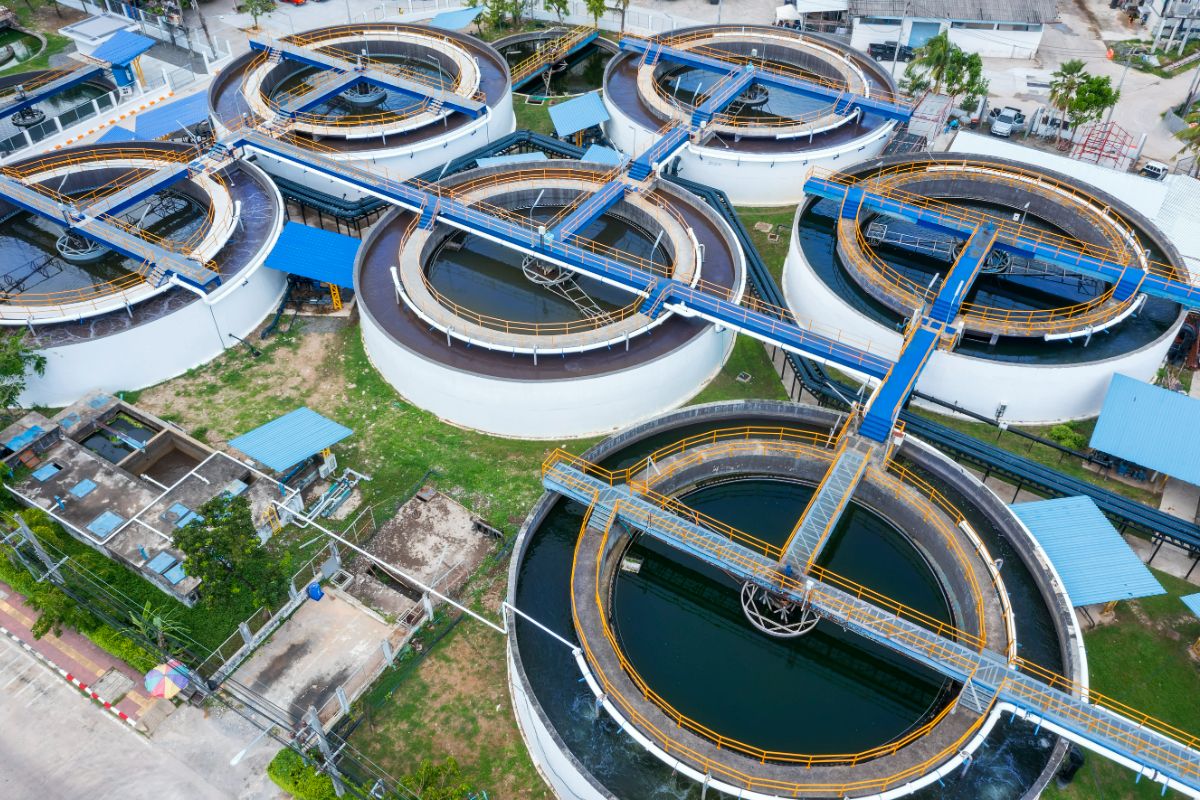
The government is considering using treated sewage water for non-potable purposes. (Representational pic)

Synopsis: Keralam is preparing to use treated wastewater from sewage treatment plants as a new water source for non-potable needs such as agriculture, construction, industry, and landscaping, instead of simply discharging it. The move is part of a wider effort to ease pressure on freshwater sources as erratic monsoons, population growth and seasonal water shortages make water security a growing concern in a state with 44 major rivers.
With erratic monsoons and growing water stress pressuring its freshwater resources, Keralam is preparing to view treated wastewater differently — not as something to be disposed of after treatment, but as a resource that can be put back to use.
Much of the treated wastewater generated by sewage treatment plants is currently discharged into watercourses or used to water parks, lawns, and other public spaces. Wider reuse, including for agriculture, industries, flushing toilets, groundwater recharge, and fish culture, remains limited.
The state is now considering a shift in this approach, bringing treated wastewater from existing and proposed sewage treatment plants into the water stock and exploring non-potable uses.
The move comes as Keralam faces the arduous task of balancing rising water demand with available supplies amid population growth and increasing climate variability.
Officials see the reuse of treated wastewater — in areas like agriculture, horticulture, urban landscaping, construction activities, industrial processes, and cleaning applications — as a way to reduce pressure on freshwater sources while making better use of the money and infrastructure already invested in treating sewage.
Also Read: “Periyar waters consumed by those with no means to purify or boil it”
According to an executive engineer with the Ground Water Department, the state swings between monsoon flooding and dry-season water shortages, exposing an uneven distribution and use of its water resources. The official also point out to the scenario of rapid urbanisation, a growing population and increasingly erratic rainfall linked to climate change which are adding to the pressure.
Concerns over a looming El Niño influence have further sharpened the focus on water availability and preparedness.
Against this backdrop, the Local Self Government Department is pushing for a planned approach to treating and reusing wastewater.
It pointed out that as cities expand and demand for water rises, the pressure on freshwater, land and other resources needed for both urban development and agriculture is expected to grow.
The proposed answer is to make treated wastewater a usable resource rather than allowing it to be discharged into the environment.
The Policy on Safe Reuse of Treated Wastewater, Keralam, has been formulated with this objective.
It seeks to reduce dependence on groundwater and surface water, particularly for uses that do not require potable water, while creating wider public acceptance of treated wastewater.
The policy also aims to prevent untreated or inadequately treated wastewater from contaminating surface and groundwater sources.
By establishing treated wastewater as a reliable source for non-potable uses, the state hopes to address both water scarcity and the environmental risks associated with indiscriminate discharge.
Under the policy, treated wastewater from treatment facilities is proposed to be put to use in areas such as horticulture, agriculture, urban landscaping, construction, industrial activities and cleaning. A key thrust will be reducing the use of freshwater for construction and cleaning, where potable-quality water is often unnecessary.
Also Read: Can ‘floating solar’ keep Kerala’s lights on?
The government’s decision to approve the Safe Reuse of Treated Wastewater Policy follows nearly two years of consultations and drafting.
The process began in September 2024 when a meeting convened by the Special Secretary, Local Self-Government Department, discussed the need for a policy on reusing treated wastewater. The meeting decided to constitute a committee to examine the issue and prepare a draft for the government.
A seven-member committee was subsequently constituted with the Executive Director of the Suchitwa Mission as its convener.
Its members included the Mission Director, AMRUT; a member secretary or nominee of the Kerala State Pollution Control Board; nominees of the Ground Water and Agriculture departments; the Managing Director of IMPACT; and KS Praveen, Deputy Chief Engineer, Kerala Water Authority.
The committee held discussions with stakeholders and examined the draft before the Executive Director, Suchitwa Mission, submitted the draft policy in July.
The policy has now secured government approval, paving the way for a formal framework for the safe reuse of treated wastewater in the state.
According to Chief Secretary Bishwanath Sinha, the policy was taken up in view of the growing need for innovative solutions to water security amid population growth, climate variability and seasonal water stress. Effective management and reuse of liquid waste were also key considerations behind the initiative.
Also Read: Are police water cannons free of brain-eating amoeba?
Local Self Government Department officials said the push is for wider reuse of treated wastewater, seeking to turn what is now largely discharged into watercourses into a usable resource for irrigation, industrial purposes and other non-potable needs.
The state currently follows both centralised and decentralised systems for wastewater treatment, with Sewage Treatment Plants (STPs), Faecal Sludge Treatment Plants (FSTPs) and Effluent Treatment Plants (ETPs) operating at different levels.
However, the proposed policy will initially focus only on the reuse of treated wastewater (TWW) from existing and future STPs.
At present, treated wastewater is either released into watercourses or used for limited purposes such as irrigating parks, lawns and other public spaces. Its wider use for crop irrigation, industrial processes, construction and groundwater recharge remains limited.
The policy views this as a wasted resource, particularly since considerable public and private investment goes into setting up treatment plants and treating wastewater.
Instead of allowing the treated water to be discharged, it is proposed to be treated as part of the state’s available water stock and put to productive use.
Under the proposed framework, the Local Self-Government Institutions (LSGIs), departments or agencies that own STPs or FSTPs will have to assess the quantity of treated wastewater available with them and declare the details within six months of the policy being notified. The information will have to be updated and published every year before 1 June.
The declaration will include the quantity of water available, its quality parameters based on Kerala State Pollution Control Board standards, the location of the treatment plant and possible applications for reuse.
The assessment will also have to include treated wastewater generated by STPs operated by bulk users such as apartment complexes, malls and similar establishments within the jurisdiction.
The policy proposes that plant-owning LSGIs and government agencies first make use of the treated water for their own requirements. Road and street cleaning, watering parks and green spaces and construction-related activities are among the uses identified.
With most bulk consumers already dependent on piped public water supply, treated wastewater has so far had limited appeal as an alternative source.
The policy, however, argues that abundant natural water availability cannot justify continued disposal of treated wastewater. Reusing it could reduce pressure on conventional water sources while also making better use of the infrastructure and money already invested in wastewater treatment.
To encourage wider adoption, the policy proposes that treated wastewater be priced at a level attractive enough for potential users to opt for it over conventional sources.
(Edited by Majnu Babu).



