

Published Nov 01, 2026 | 7:00 AM ⚊ Updated Nov 01, 2026 | 7:00 AM

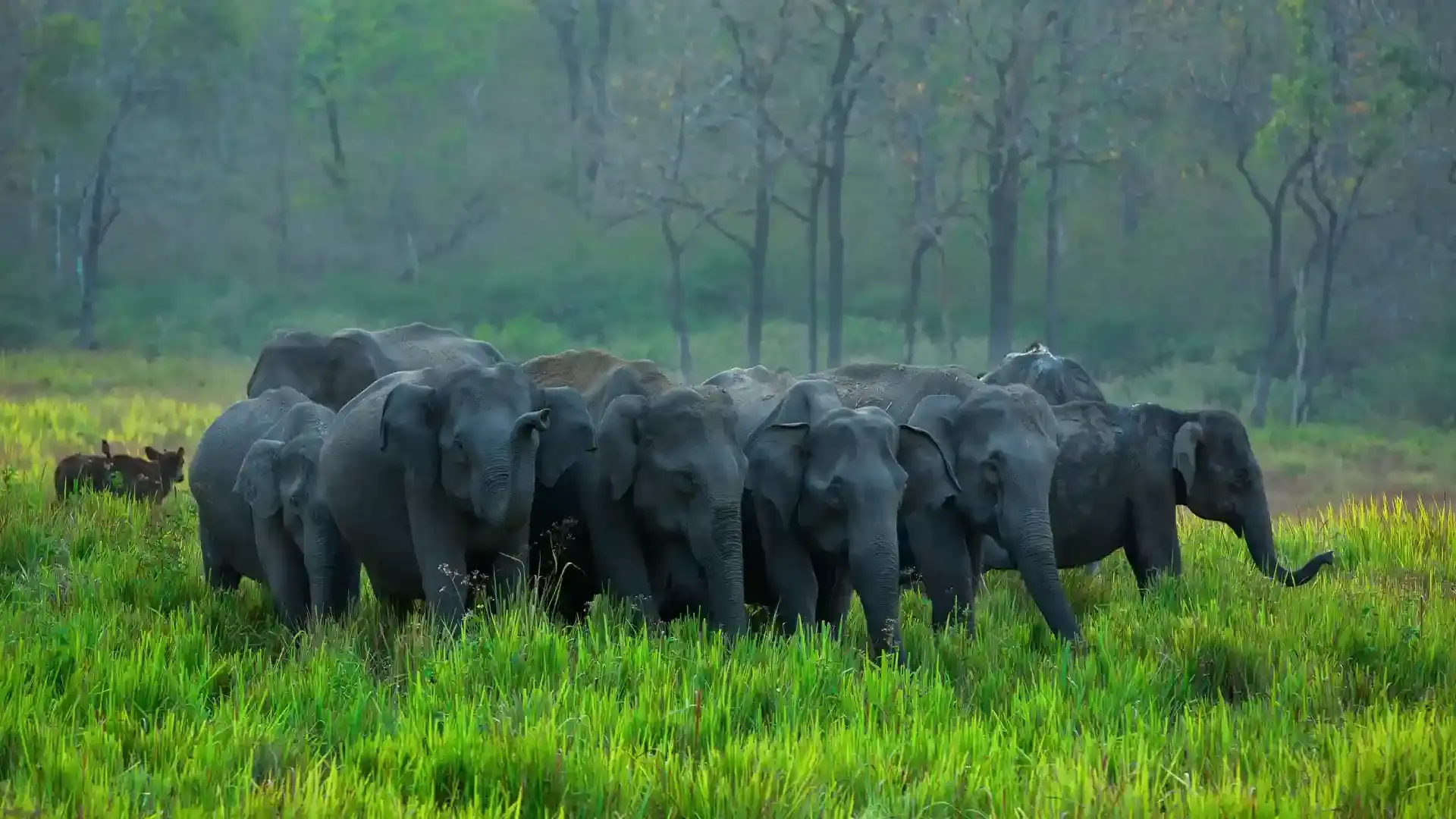
A herd of wild elephants inside the Periyar Wildlife Sanctuary courtesy - Kerala Tourism

Synopsis: Keralam’s wild elephant population has more than halved in less than two decades. But are natural causes alone to be blamed for the decline? An examination of Forest Department records has thrown up disturbing gaps, including unexplained deaths, missing tusks, unregistered wildlife offences and discrepancies in post-mortem findings. Conservationists suspect that poaching and organised wildlife crime may be taking a toll, while demanding an independent probe into the deaths. The Forest Department, however, maintains that every suspected offence is investigated. As allegations mount, a larger question looms: Is Keralam losing its elephants to a wildlife crime network that has escaped proper scrutiny?
Wildlife activists and conservationists are demanding an independent, transparent and thorough investigation into the alarming decline in Keralam’s wild elephant population, suspecting that poaching may be behind a growing number of deaths officially attributed to natural causes.
The demand for a CBI probe or a High Court-monitored investigation has gained ground following reports of tusk recoveries and a spate of unnatural deaths.
The scale of the loss is stark: Keralam’s wild elephant population fell from 5,135 in 2005 to 2,386 in 2023, while 1,260 deaths were recorded between 2011 and July 2026.
Another 40 elephants died in just five months this year, eight under unnatural circumstances.
At the heart of the concern is a troubling question: are all these deaths being properly investigated, and is poaching taking a toll on the state’s wild elephant population?
Also Read: Elephants sans passage, people without peace
While the forests lost 1,260 wild elephants between 2011 and July 2026, the figures tell a story that goes beyond natural mortality.
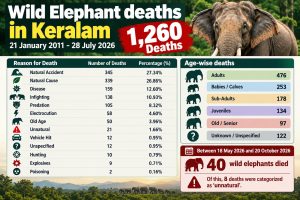
What the data says on wild elephant deaths
An analysis of the Forest Department’s HAWK (Hostile Activity Watch Kernel) records pointed to recurring disease outbreaks, human-induced deaths and serious gaps in the reporting of wildlife crimes up to mid-2026.
Elephants play a crucial role in sustaining forest ecosystems. They disperse seeds, aid nutrient recycling and help maintain vegetation balance. Their declining numbers could have consequences far beyond the loss of a single species.
Natural accidents accounted for the largest share of recorded deaths, with 345 cases (27.34%). Diseases claimed another 159 elephants (12.60%).
Post-mortem records cited Elephant Endotheliotropic Herpesvirus (EEHV), particularly fatal to young calves, as well as anthrax, tuberculosis, gastroenteritis and peritonitis.
Fighting among elephants resulted in 138 deaths (10.93%), mostly involving male tuskers competing for dominance and mating rights. Another 105 deaths (8.32%) were classified as predation.
More troubling, however, were the gaps in the department’s records.
An examination of the database found 12 electrocution deaths without corresponding Offence Reports (ORs). These include cases from Malayattoor, Nenmara and Wayanad. A hunting incident reported in Parambikulam on 13 November 2022, was also marked as having no OR.
The absence of these reports triggered questions about whether mandatory legal proceedings were initiated in every suspected wildlife crime.
Questions surrounding ivory theft were also left unanswered.
In 55 cases classified under natural causes, accidents or predation, post-mortem notes mentioned missing tusks or empty tusk sockets. While decomposition and scavenging could explain some instances, the records did not consistently establish when or how the tusks had gone missing.
The figures pointed to a larger concern: how effectively are elephant deaths investigated and documented?
With the species playing such a vital role in forest health, gaps in mortality reporting and wildlife crime investigations could have consequences for the state’s entire forest ecosystem.
Also Read: Growing human-wildlife conflict calls for strict habitat management measures
Advocate TS Santhosh, legal representative of the Animal and Nature Ethics Community, who obtained the death records through an RTI application, flagged several discrepancies in the data.
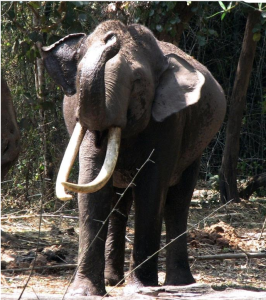
A bull (male elephant) inside a forest
courtesy – Kerala Forest
He alleged that the records pointed to serious lapses in documenting and investigating elephant deaths.
Santhosh questioned whether a series of wild elephant deaths in Keralam were being inadequately investigated and wrongly classified?
His examination found 12 electrocution deaths and one hunting death for which no OR had been registered, despite the nature of these incidents warranting criminal investigation. In other cases, the stated cause of death did not match the post-mortem findings.
A death in Ranni, for instance, was classified as predation, although the post-mortem report attributed it to infighting. Another case in Periyar East was listed as predation, while the report described it as a natural death.
The classification of 26 adult elephants, including mature tuskers and cows aged between 25 and 65, as victims of predation has also come under scrutiny.
Some post-mortem reports suggested that old age or senility could have been the primary cause, with evidence of tiger activity possibly indicating scavenging rather than the cause of death.
More disturbing were 55 entries in which post-mortem records mentioned missing tusks or decomposed skulls with empty tusk sockets. In one Achenkovil case, both tusks were found missing despite the sockets remaining intact. Another report from Mannarkad suggested that the tusks might have been removed after decomposition.
Santhosh has also questioned whether the sex of elephants was correctly recorded in every case.
He suspected that some bulls could have been wrongly classified as females, potentially concealing cases of missing tusks. He wanted the records independently verified.
The data also contained 12 deaths without any recorded cause and an entry explicitly identified as a duplicate. Inconsistent age classifications further raised questions about the reliability of the database.
Santhosh alleged that the post-mortem system warranted a thorough overhaul.
Carcasses were often located several days after death, sometimes after a week, by which time vital evidence may have decomposed or been disturbed. This makes it hard to establish the exact cause of death.
He has also questioned the participation of NGOs without the required expertise in post-mortem procedures, arguing that the prescribed guidelines on professional qualifications must be strictly followed.
The issue had surfaced earlier in June following the death of a radio-collared elephant in Kothamangalam, just days after it was fitted with the device.
The Forest Department said the animal was already weak, with injuries reportedly caused by firecrackers and the consumption of a pineapple stuffed with explosives. The elephant was also subjected to a mob attack. Environmental organisations demanded a probe by the Union Ministry of Environment, Forest and Climate Change, alleging that no case had been registered over the incident.
Santhosh demanded the Union Environment Ministry constitute a Special Investigation Team (SIT) to examine elephant deaths across Kerala. He has also called for an independent inquiry into missing tusks, the credibility of post-mortem reports and possible lapses in registering wildlife offences.
“We will take up this fight. The Forest Department must answer these questions. If the present situation remains unaddressed over the next 25 years, there may be no wild elephants left in the Western Ghats,” he warned.
Alleging that the state Forest Department is failing to properly investigate the rising deaths of wild elephants in Keralam, environmental activists have called for a CBI probe or an investigation by a special team under the supervision of the High Court.
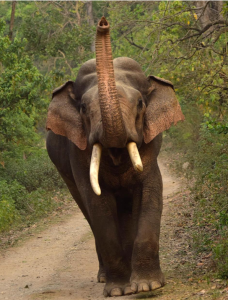
A bull (male elephant) inside a forest
courtesy – Kerala Forest
N. Badusha, environmental activist and president of the Wayanad Prakruthi Samrakshana Samithi, said the inquiries into unnatural elephant deaths were far from satisfactory.
Even deaths classified as natural needed closer scrutiny, he said.
“We suspect a larger conspiracy to eliminate wild elephants from the Western Ghats. This may not be just about poaching. The encroachment lobby could also have a role. We have strong reasons to believe that the killings are being carried out in a planned and systematic manner. We are gathering evidence to establish this,” Badusha said.
He alleged that ivory trading and illegal hunting were flourishing in the Western Ghats.
Despite crores of rupees being allocated to states for elephant conservation, there had been no noticeable improvement on the ground, he said. The organisation has sent complaints to Project Elephant and the Union Ministry of Environment, Forest and Climate Change (MoEFCC).
The demand for an independent probe was raised at the ‘Vana Spandanam‘ (Pulse of the Forest) event held in Thiruvananthapuram in October.
The participants warned that continued deaths could push wild elephants towards extinction.
The group is also planning to approach the court seeking a comprehensive investigation.
It will seek to have post-mortem examinations of wild elephants conducted outside Keralam to ensure transparency and rule out any possibility of local interference.
Badusha said the Forest Department’s handling of elephant deaths had raised serious questions, making an independent and credible investigation imperative.
Meanwhile, a senior official with the Kerala Forest Department said, “Every elephant death is taken seriously, and it is not correct to assume that all cases classified as natural deaths are beyond scrutiny. In forest conditions, carcasses are often discovered days after an animal dies. By then, decomposition, scavenging and other natural processes can make it difficult to establish the exact cause of death.”
The official further added, “Where there is evidence of an offence, cases are registered and investigated under the law. Any specific discrepancies in the records can be examined, and if lapses are found, corrective action will be taken. We have no reason to shield anyone involved in wildlife crime. At the same time, allegations of organised poaching must be backed by evidence. Protecting the elephant population is a shared responsibility, and the department is committed to it.”
(Edited by Majnu Babu).



