

Published Nov 13, 2026 | 11:33 AM ⚊ Updated Nov 13, 2026 | 11:36 AM

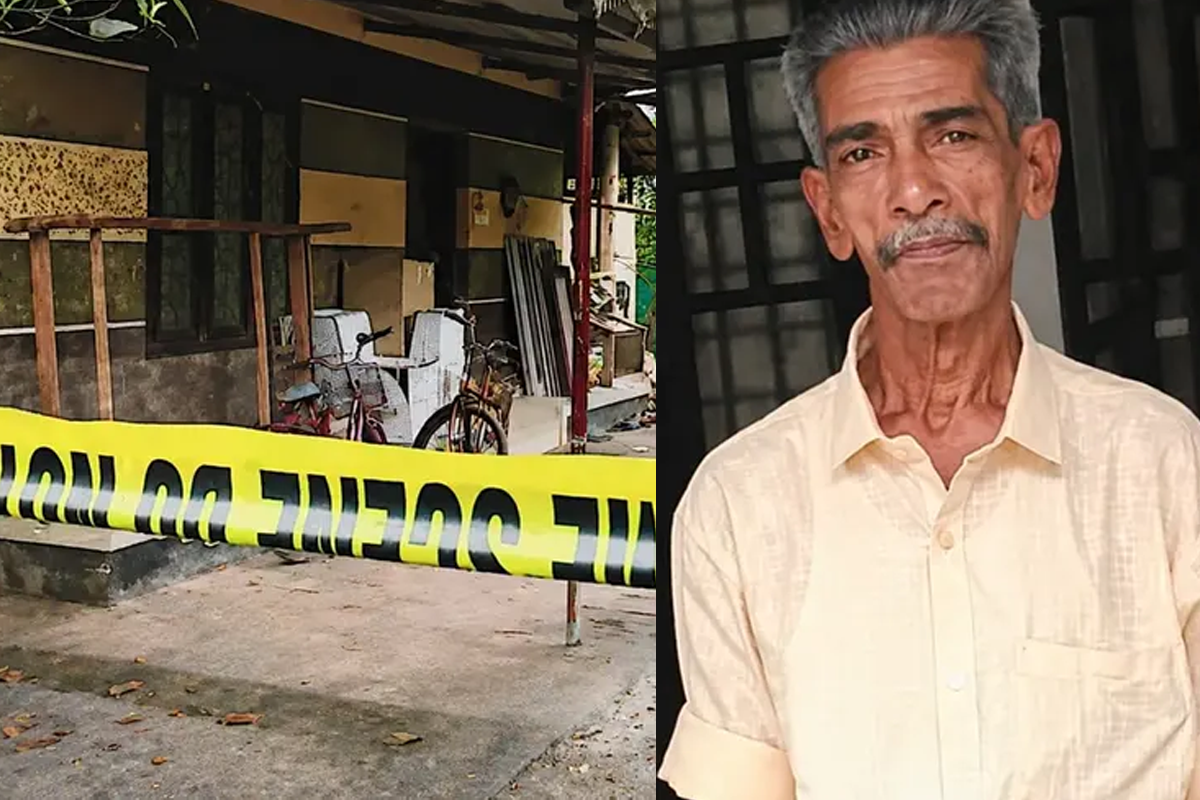
Shivankutty, a native of Saraswathi Nivas, Kochalummoodu, Paravur, in Kollam district, was living in a rented house at Karuvatta.

An iPhone for a 13-year-old girl and a motorcycle for her friend were allegedly the rewards the teenagers had in mind when they plotted the murder of a 67-year-old man in Karuvatta, Alappuzha.
The plan, which the police say took shape over almost two months through Instagram conversations, ended in the killing of Shivankutty Chettiar at his rented house on the night of Independence Day. The four accused, all below 18, allegedly broke into the house, killed him and took away gold they intended to sell to finance the purchases.
The details of the crime have emerged in a 740-page charge sheet submitted to the District Juvenile Justice Board by the investigation team led by Haripad Circle Inspector B Vinod Kumar on November 12. The document describes the alleged planning, the roles of the accused, the manner in which they entered the house and the evidence gathered by the police, including chats recovered from their mobile phones.
The accused are three boys, two of them aged 17 and one aged 16, and a 13-year-old girl, the granddaughter of the victim.
According to the charge sheet, the three boys carried out the murder, while the girl was involved in planning it. The police allege that the group intended to steal gold from the house and sell it to raise money for an iPhone for the girl and a motorcycle for her friend.
Shivankutty, a native of Saraswathi Nivas, Kochalummoodu, Paravur, in Kollam district, was living in a rented house at Karuvatta.
The crime came to light on August 17, two days after the murder, and all four accused were apprehended soon after.
The police investigation found that the accused had been plotting on Instagram for nearly two months before the murder. The chats were recovered from the mobile phones seized from them.
The investigating team has sought confirmation of the conversations from Meta, and a separate report on the digital evidence will be placed before the Juvenile Justice Board.
The police have also traced the use of six SIM cards in the phones seized during the investigation. One of the SIM cards was active only on the day of the murder.
With the assistance of cyber experts, the police gathered details about its use and have cited this as evidence that the crime was planned in advance.
The charge sheet also records that the teenagers showed the scene of the murder to the girl through a WhatsApp video call. The police say the digital evidence, along with the statements and other material gathered during the investigation, supports their finding that the crime was not an impulsive act but the outcome of prior planning.
An incident on the morning of August 15 is identified in the charge sheet as the immediate trigger for the murder.
The girl had allegedly tried to break open a cupboard in the house to take gold. Shivankutty saw what she was doing and reprimanded her. The police say this led to the murder that night.
Only Shivankutty and a female relative were present in the house when the accused allegedly arrived.
The accused gained entry by lifting a section of the bathroom roof and climbing through a ventilation opening, according to the charge sheet.
The police allege that the teenagers first tried to render Shivankutty unconscious by pressing a bedsheet against his face. They then stuffed a piece of cloth into his mouth and restrained him.
His hands, which had been tied together with a mundu, were bound to his thighs, while his legs were secured with a towel. The accused allegedly killed him by stomping on and beating his head and neck.
No weapon was used in the attack, the charge sheet states. The manner of the assault has been described as particularly brutal.
After the murder, the group allegedly took four-and-a-half sovereigns of gold from the house. The plan was to sell the ornaments and use the money to buy the items discussed during their earlier conversations.
With the filing of the charge sheet, the case has entered the next stage of proceedings. The prosecution has formally sought the transfer of the case against the three boys, all aged 16 or above, to the District Sessions Court for trial as adults.
Under the Juvenile Justice Act, a child aged between 16 and 18 accused of a heinous offence may be considered for trial as an adult.
The decision, however, rests with the Juvenile Justice Board after a preliminary assessment. The Board has to consider the child’s mental and physical capacity to commit the offence, the ability to understand its consequences and the circumstances in which the alleged crime was committed.
The arguments of both the prosecution and the defence will also be heard. The request for an adult trial does not mean that the three boys will automatically be tried in the Sessions Court.
The Board must first complete the assessment and decide whether the case should be transferred. Even if it is transferred, the Sessions Court will have to examine the matter before proceeding with the trial.
The case against the 13-year-old girl will be heard separately by the Juvenile Justice Board. Given her age, she cannot be considered for trial as an adult under the provision applicable to children aged 16 and above.
The girl has been granted bail but continues to stay at a shelter home under the supervision of the Juvenile Justice Board. Although she has been in institutional care for nearly three months, no one has come forward to take responsibility for her, according to information provided by the police.
She is a Class VIII student, and arrangements have been made for her to continue her education.
The three boys have been handed over to their respective families.
The victim’s daughter and wife are among the key witnesses in the case.
The Board hearing the matter comprises Sinsi Jacob, Judicial First Class Magistrate-II, Cherthala, and members Dr Saji Mathew and KR Sreelekha. Assistant Public Prosecutor Manu Kallampally is appearing for the prosecution.
The charge sheet is scheduled to be considered by the Board on the 16th. Its decision on the prosecution’s request to try the three boys as adults will be a crucial step in determining how the trial proceeds.
Also Read:
Coordinated alibis and a false trail: How a 13-year-old allegedly masterminded Karuvatta murder



