

Published Oct 03, 2026 | 9:25 AM ⚊ Updated Oct 03, 2026 | 9:25 AM

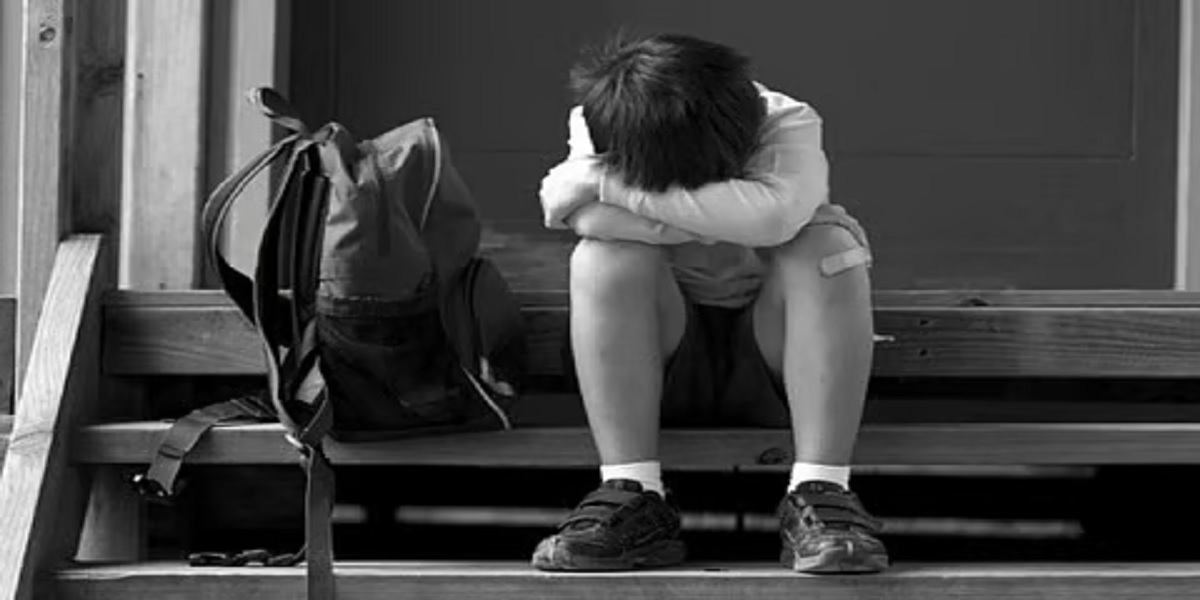
Students found to be at risk will have to be provided counselling and, where necessary, referred for further examination and treatment.

Synopsis: Keralam is launching a Student Health Cadet Programme in 140 schools and colleges, training students to spot early signs of physical, mental or behavioural problems among peers and guide them towards help. The initiative aims to make students the first link in a peer-support network, while leaving diagnosis, treatment and professional intervention to teachers, counsellors and health professionals.
The idea is simple but potentially far-reaching: train students to notice when a classmate is struggling with health, provide support within the limits of their training and ensure that those needing professional intervention do not fall through the cracks.
Keralam is set for another experiment in public healthcare, this time with the Student Health Cadet Programme (SHC) in which students are being positioned not merely as beneficiaries of health programmes but as the first link in a peer-support network.
The SHC, which will initially cover 70 higher secondary schools and 70 colleges — five institutions of each category in every district, envisages trained students in higher secondary schools and colleges spotting early signs of physical, mental, social or behavioural problems among their peers.
They can share scientifically accurate health information, offer encouragement and basic peer support, and alert a teacher or designated Health Mentor when professional assistance is needed.
The Health and Family Welfare Department approved this initiative on 29 September after the State Mission Director of the National Health Mission (NHM) submitted a detailed technical proposal on 5 September.
Also Read: How student’s suicide exposed fault lines in Kerala’s Engineering college credit system.
The programme will be built around three steps: ‘Buddy Spotting’, ‘Buddy Help’ and ‘Buddy Referral’.
The programme’s vision is to create a generation of young people who combine healthy habits with health awareness, responsibility and social commitment, while developing student leaders capable of connecting their peers with the healthcare system. They will form the SHC.
The Health Department, however, has drawn a clear line around the cadets’ role. They will not be permitted to diagnose illnesses, prescribe medicines, administer treatment or independently deal with serious or highly sensitive cases.
“Young adults constitute a vital section of society and habits developed during this period can have a bearing on their future health. The department has previously used peer educators under adolescent health programmes, with trained students supporting their classmates on health and wellbeing issues. In Pathanamthitta, 400 students were recently trained as peer educators across 10 health blocks,” said a Directorate of Health Services official.
The official further added, “The SHC stresses that adolescent healthcare cannot be confined to clinical services and must include health promotion, peer support, early identification, referral, health literacy and leadership development.”
The SHC programme goes well beyond conventional health awareness classes.
Cadets and their peers will receive age-appropriate information on nutrition, healthy eating, anaemia prevention, physical activity, obesity prevention, personal hygiene and menstrual health.
Mental health, emotional wellbeing, stress management, resilience and the importance of seeking help will also form a major part of the programme.
The initiative will include awareness against tobacco, alcohol and drugs, along with age-appropriate information on sexual and reproductive health.
The programme will also cover communicable and non-communicable disease prevention, road safety, first aid, emergency response, and basic life-saving skills.
An unusual component is the emphasis on elderly care and palliative care.
Students will be encouraged to participate in community health activities involving older people and palliative-care initiatives, thereby extending the programme beyond the school and college campus.
The programme also seeks to turn students into health communicators. Training will cover scientifically accurate dissemination of health information, encouraging peers to seek timely assistance, identifying potential health risks, organising awareness campaigns and observing important health-related days.
At the same time, a higher secondary school teacher in Thiruvananthapuram said, “The concept of peer support is useful because students often open up to classmates before they approach a teacher or counsellor. But the programme’s success will depend on what happens after a student is identified. Spotting a problem is only the first step. A dependable system involving teachers, counsellors, and health professionals must take the case forward. Otherwise, we may end up creating another cadre of students with responsibility but limited support.”
Also Read: Morphed images of college students and teachers
Health screening will form another component, though the Health Department has specifically ruled out any clinical role for the cadets.
Screening for anaemia, hypertension risk, overweight and obesity, nutritional problems, general physical health concerns, mental health issues and substance-abuse-related problems may be organised under qualified health professionals in coordination with the Health Department and NHM.
Students found to be at risk will have to be provided counselling and, where necessary, referred for further examination and treatment. Only trained health professionals will carry out the screening using approved protocols.
The State Mission Director of NHM will lead the programme in coordination with the Health Department, General Education Department, and Higher Education Department. Relevant directorates and district administrations have also been asked to extend cooperation.
Before the programme becomes operational, we will prepare and approve detailed guidelines, training modules, monitoring formats, referral mechanisms, and information, education, and communication materials, in consultation with the relevant departments.
Also Read: How Kerala is failing its students
The first phase will cover five higher secondary schools and five colleges in each of the state’s 14 districts, taking the total to 140 institutions.
Expansion to additional institutions will depend on an assessment of the initial phase and further government approval.
The programme, according to the official, is therefore being positioned not as another stand-alone awareness campaign but as a mechanism linking educational institutions with the public health system.
“The government’s stated objective is to eventually establish a sustainable, student-led health promotion network that can be expanded in stages across the state,” the official said.
The State Mission Director of NHM and the Director of Health Services have been directed to ensure effective implementation while adhering to the laid-down conditions and within the availability of approved resources.
In effect, Keralam is testing whether public health can move another step closer to young people by making their peers part of the support system — without turning students into substitute health workers.
The experiment will begin with 140 institutions.
Its larger test, however, will be whether a trained student who notices a friend withdrawing or struggling with substance use, showing signs of emotional distress or simply ignoring a health problem can become the person who says: let us get help.
Also Read:
Keralam plans law to regulate private hospital treatment costs
Kerala household’s hospital bill runs Rs 10,341 out-of-pocket compared to Rs 5,290 across India
(Edited by Majnu Babu).



