


Published Mar 12, 2026 | 12:37 PM ⚊ Updated Mar 12, 2026 | 12:37 PM


Government Medical College Hospital in Konni, Pathanamthitta.
Synopsis: A notice alleging the shortcomings at the surgery department of Government Medical College Konni has triggered a controversy in Kerala. It stated that the lack of adequate facilities and equipment could pose serious risks, including the possibility of death during treatment. Health Minister Veena George responded by stating that disciplinary action had been initiated against the doctor who pasted the notice.
Months after the storm triggered by the social media post of the Head of Urology at Government Medical College Thiruvananthapuram, Dr Harris Chirakkal, over systemic shortcomings in the public health system in Kerala had begun to settle, another episode from a government medical college has once again brought the spotlight back to the issue.
This time, a notice allegedly put up by a surgeon at the Government Medical College Hospital in Konni, Pathanamthitta, highlighting multiple infrastructural and staffing deficiencies, has sparked fresh controversy.
The notice, printed and pasted outside the office of the head of the Surgery Department, Dr K Sivaprasad, on Wednesday, 11 March, cautioned patients arriving for surgery about the limitations of the hospital. It stated that the lack of adequate facilities and equipment could pose serious risks, including the possibility of death during treatment.
The notice openly flagged serious shortcomings at the hospital and warned patients that treatment there could even lead to death.
The notice cautioned patients coming for surgery about the hospital’s limitations. It stated that there was a shortage of equipment and other essential facilities and that undergoing treatment under such conditions could pose life-threatening risks.
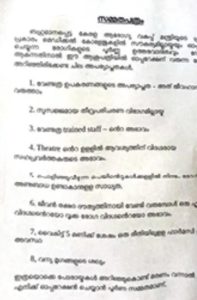
Notice that came at the GMCH Konni
The document also suggested that patients and their relatives should provide explicit consent acknowledging these limitations before any surgery is performed, including accepting the possibility of death.
Photographs of the notice quickly circulated, prompting hospital authorities to intervene and remove it.
Hospital Superintendent Dr S Shaji later confirmed that an explanation had been sought from Dr Sivaprasad for putting up the notice without the permission of the hospital administration.
Officials said the notice had been displayed without the knowledge or approval of the superintendent or other concerned authorities.
The notice listed several alleged deficiencies at the hospital.
Apart from warning about the risk of loss of life, it highlighted seven specific issues that could affect patient safety.
According to the notice, the intensive care unit was inadequately equipped, and the hospital did not have sufficient trained staff. It also claimed that experts were not available in the operating theatre to assist during surgeries.
Other concerns included the possibility of infections caused by paint peeling off the walls, the absence of specialists such as cardiologists or nephrologists during emergency life-saving situations, and the lack of pharmacy services after 5 pm.
The notice even mentioned the nuisance caused by wild animals in the area as a potential risk.
Drawing parallels with the consent forms routinely signed by patients’ relatives before surgery, the notice suggested that the consent documentation should explicitly mention these limitations. It demanded that patients or their relatives acknowledge the risks and give consent for surgery even if it could result in death.
At the beginning of the notice, it was also stated that the doctor performing the surgery would bear full responsibility for the patient and for the shortcomings in medical college hospitals — a reference attributed to remarks made by the Health Minister.
Dr Sivaprasad later told the media that the minister had made such statements earlier and alleged that the consent form had effectively been “signed by the health minister”. The minister’s office, however, denied this claim.
Health Minister Veena George responded by stating that disciplinary action had been initiated against Dr Sivaprasad.
She maintained that facilities, including an operation theatre, had already been arranged at the Konni Medical College Hospital.
The minister also said vigilance action had been initiated against the doctor over allegations that he had performed surgeries at a private hospital run in the name of his wife.
Meanwhile, sources in the Kerala Government Medical College Teachers Association described the episode as part of a broader attempt by doctors to practise what they termed “defensive medicine”.
According to them, doctors working in government medical colleges are often blamed when incidents occur despite systemic shortcomings in infrastructure and staffing.
They said the recent allegations of medical negligence at the Alappuzha Medical College had intensified concerns among doctors.
“Despite being aware of the limitations in the system, doctors are frequently targeted when something goes wrong. Since these issues are not addressed proactively, some doctors feel compelled to protect themselves by informing patients about the risks,” sources said.
They added that notices like the one displayed at Konni were intended to directly alert patients to the limitations while safeguarding doctors from liability.
The controversy has once again drawn attention to the infrastructure and staffing challenges faced by government medical colleges in the State, even as the health department moves ahead with action against the doctor who issued the warning.
(Edited by Muhammed Fazil.)


