

Published Feb 27, 2026 | 1:33 PM ⚊ Updated Feb 27, 2026 | 1:33 PM

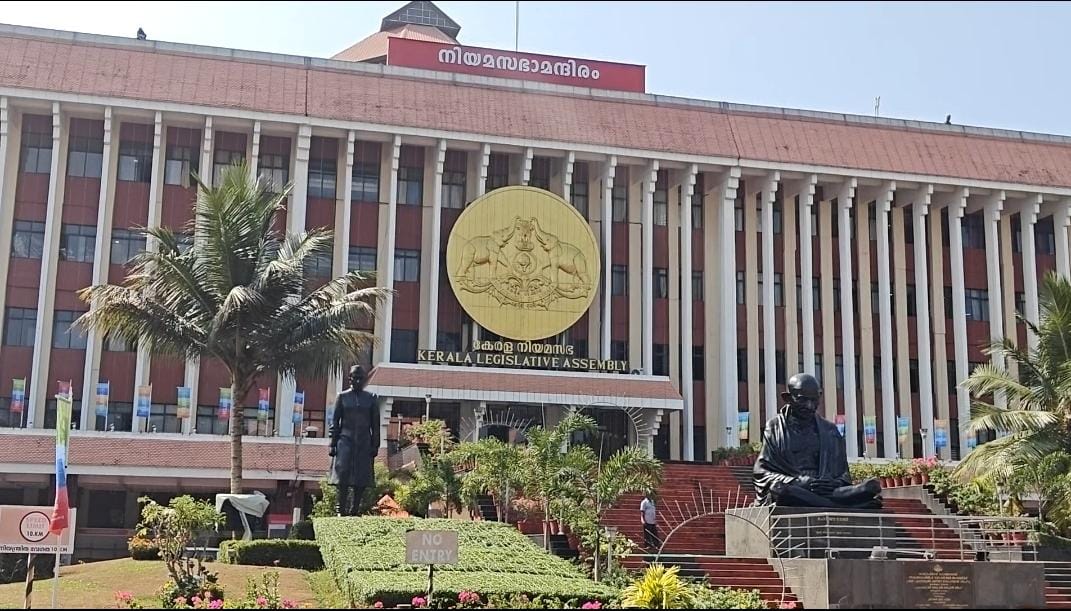
Kerala Legislative Assembly.
Synopsis: The 15th Kerala Legislative Assembly completed its final session on 24 February 2026. Looking at the numbers, the picture of the 15th Assembly is interesting. It met less often than previous Assemblies, with fewer sessions, sittings, and total hours. However, its legislative work, including bills passed, private member bills introduced, and committee activity, improved noticeably.
The 15th Kerala Legislative Assembly (KLA) completed its final session on 24 February 2026, and with the 2026 Assembly election campaigns already underway, the state is preparing to elect its next government. This Assembly leaves behind a complex legacy — fewer sittings, yet higher legislative productivity.
According to Atyeti Research, an independent policy analysis group, the 15th KLA held 16 sessions over 204 sitting days, continuing a downward trend from the 14th Assembly, which had 22 sessions and 232 sitting days, and the 13th Assembly, which had 16 sessions but 237 sitting days.
The total sitting hours for the 15th KLA reached 1,188 hours, compared with more than 1,445 hours in the 13th Assembly. Comparable data for the 14th Assembly is not available.
Here are the important things that happened inside the Assembly.
Despite the reduction in the number of sittings, the 15th KLA witnessed a remarkable increase in the number of bills passed. A total of 168 bills were passed during the term, up from 109 bills in the 14th KLA and recovering from the previous drop in the 13th Assembly, which passed 144 bills.
The Assembly managed to enact a larger number of bills within a comparatively shorter total sitting period. However, the number of government bills published witnessed a decline.
During the 15th KLA, 195 government bills were published, down from 213 in the 14th Assembly and continuing a downward trend from 246 in the 13th term. Meanwhile, the role of committees in scrutinising legislation became more prominent.
Bills referred to the Subject Committee increased from 87 in the 14th Assembly to 118 in the 15th, continuing a consistent upward trajectory from 74 in the 13th Assembly.
Similarly, bills referred to Select Committees doubled from two to four. Private member bills also saw a significant increase, rising to 150 from 62 in the previous Assembly.
The most notable private member’s bill during this term was the Right to Disconnect Bill, 2025, introduced in October 2025 by Dr N Jayaraj, Kanjirappally MLA and Chief Whip. The legislation seeks to safeguard private-sector employees from being compelled to respond to work communications outside of official working hours.
The bill came in the wake of the tragic death of 26-year-old Anna Sebastian Perayil from Kochi, an EY Pune employee, who passed away in July 2024 due to work-related stress. Her death sparked a broader discussion in the state about the dangers of blurred lines between professional duties and personal life.
Parliamentary activity beyond lawmaking presents a nuanced picture. The number of printed questions, including both Starred and Unstarred questions, decreased from 72,482 in the 14th KLA to 67,832 in the 15th.
Short notice questions also declined, from seven in the previous Assembly to four. In contrast, supplementary questions rose slightly to 5,126 from 5,020.
Rule 50 discussions, which allow members to raise adjournment motions on urgent matters, increased sharply to 18, up from six in the 14th Assembly and five in the 13th.
Submissions from members, a measure of formal communications to the Assembly, decreased from 2,072 in the 14th term to 1,824, continuing a prior decline from 2,495 in the 13th term.
Similarly, the number of calling attentions — requests to bring urgent matters to the notice of the government — fell from 364 to 313, following a prior rise from 347.
During the 15th Kerala Legislative Assembly, the number of ordinances issued dropped significantly. Only 114 ordinances were issued in this term, compared to 274 in the 14th Assembly and 190 in the 13th. The fact that ordinances decreased while the number of bills passed increased shows that the Assembly became more productive, even with fewer sittings.
Looking at the numbers, the picture of the 15th Assembly is interesting. It met less often than previous Assemblies, with fewer sessions, sittings, and total hours.
However, its legislative work, including bills passed, private member bills introduced, and committee activity, improved noticeably.
Members seemed to focus on more organised and effective lawmaking, while still using adjournment motions to raise urgent public issues.
(Edited by Muhammed Fazil.)


