

Published Jul 27, 2026 | 7:00 AM ⚊ Updated Jul 27, 2026 | 7:00 AM

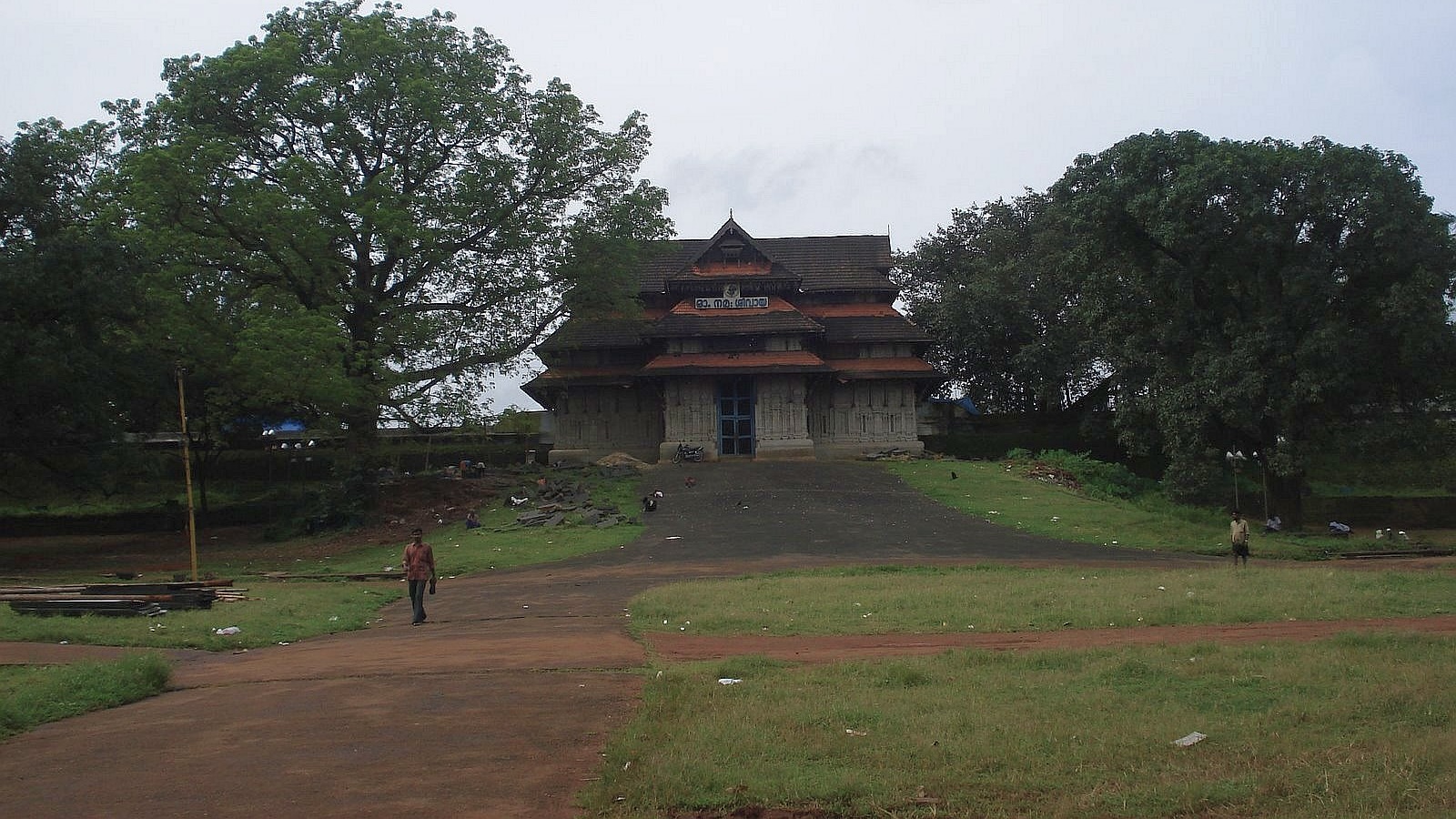
Thekkinkadu Maidanam. (Wikimedia Commons)

Synopsis: The Kerala High Court’s ban on political meetings at Thrissur’s Thekkinkadu Maidan has reignited a debate over whether the historic ground should remain a public space or be treated solely as part of the Vadakkumnathan Temple. The dispute has brought rival political parties together in support of preserving its civic role, while Hindu organisations insist that protecting the temple’s sanctity must come first.
For centuries, Thekkinkadu Maidan has been more than an open ground at the heart of Thrissur.
Once a teak forest that gave the place its name, it evolved into Kerala’s most recognisable civic square, where politics, culture and public life unfolded alongside the centuries-old Sree Vadakkumnathan Temple.
Now, a Kerala High Court ruling barring political meetings and protests on the Maidan has thrust its history, ownership and public character into the centre of a debate that stretches far beyond the temple town.
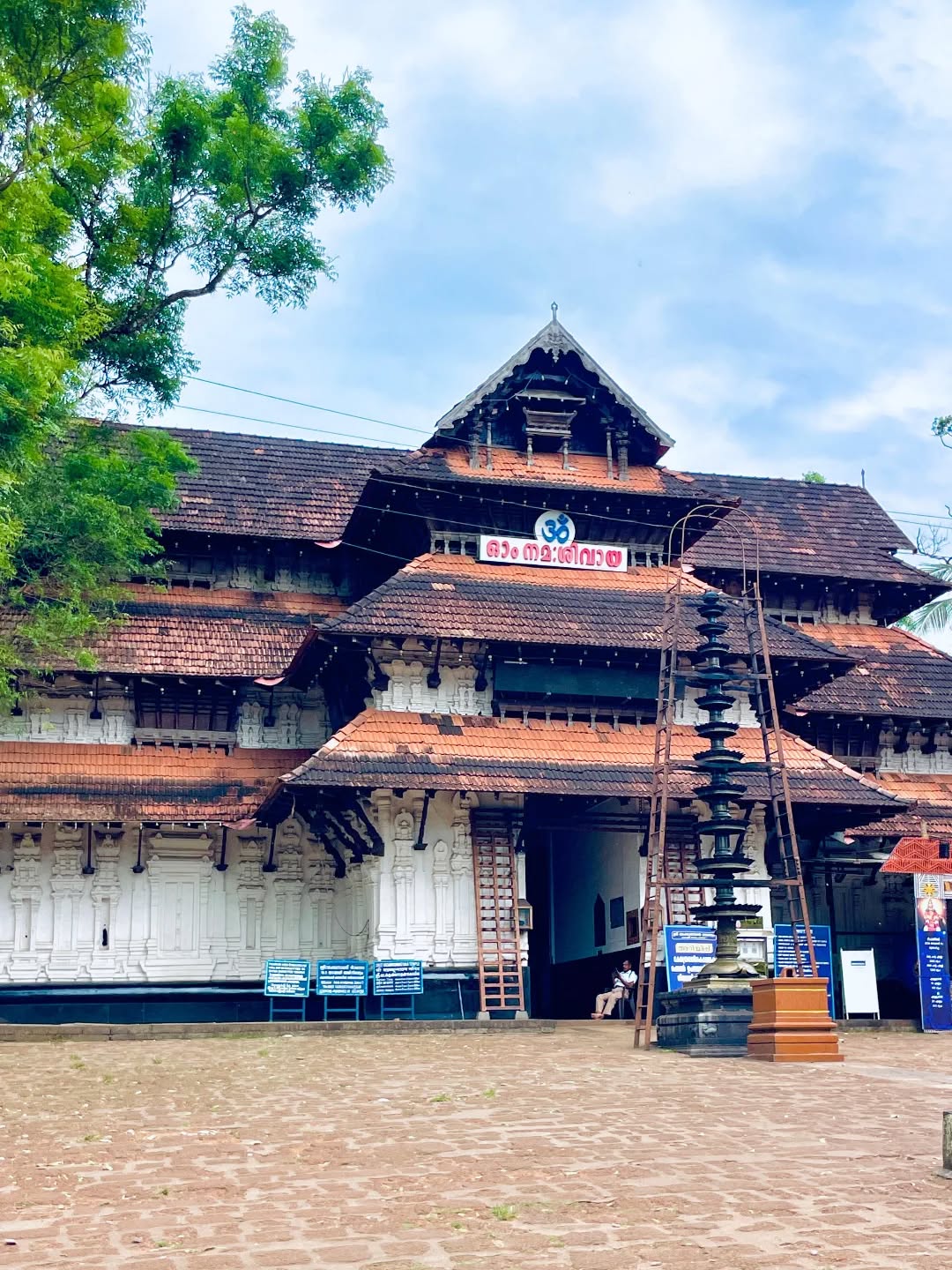
Sree Vadakkumnathan Temple, Thrissur. (Courtesy: DTPC Thrissur)
Yet, the most striking fallout of the verdict is not the legal debate itself, but the strange political ecosystem it has suddenly engineered, bringing together bitter ideological rivals, cultural icons and faith organisations in a tangled struggle over a piece of land.
At the centre of the debate is a question that extends well beyond the legal dispute: not merely whether political meetings can continue on a temple ground, but about the future of a space that has long belonged to Kerala’s public imagination.
Also Read: TDB appoints Brahmadathan as Sabarimala Ayyappa Temple’s chief priest
At the heart of Thrissur stands Thekkinkadu Maidan, a sprawling 65-acre hillock that has shaped the city’s identity for centuries.
Encircling the revered Sree Vadakkumnathan Temple, one of Kerala’s foremost Shiva shrines and a UNESCO-recognised heritage monument, the Maidan is far more than an open public space.
It is the geographical, cultural and political nucleus around which Thrissur evolved.
The city’s distinctive layout radiates from this central hill.
Etymologically derived from the Malayalam words for teak (thekku) and forest (kadu), the expanse was once a dense, watchful thicket.
That wilderness was cleared away in the late 18th century by the Maharaja of Cochin, Rama Varma Sakthan Thampuran, who transformed the grove encircling the ancient Sree Vadakkumnathan Temple into an open plateau.
Decades later, in 1934, Diwan Paruvakad Narayanan Nair handed the management of the land to the Cochin Devaswom Board (CDB). It’s said that the transfer came under a clear public covenant: the space must remain freely accessible for public gatherings and civic life.
Swaraj Round, the circular road that skirts Thekkinkadu Maidan, forms the core of Thrissur’s road network, while four major arterial roads extend from the four sides of the temple, dividing the city into four quarters. This ring-and-radial plan laid the foundation for Thrissur’s orderly urban growth.
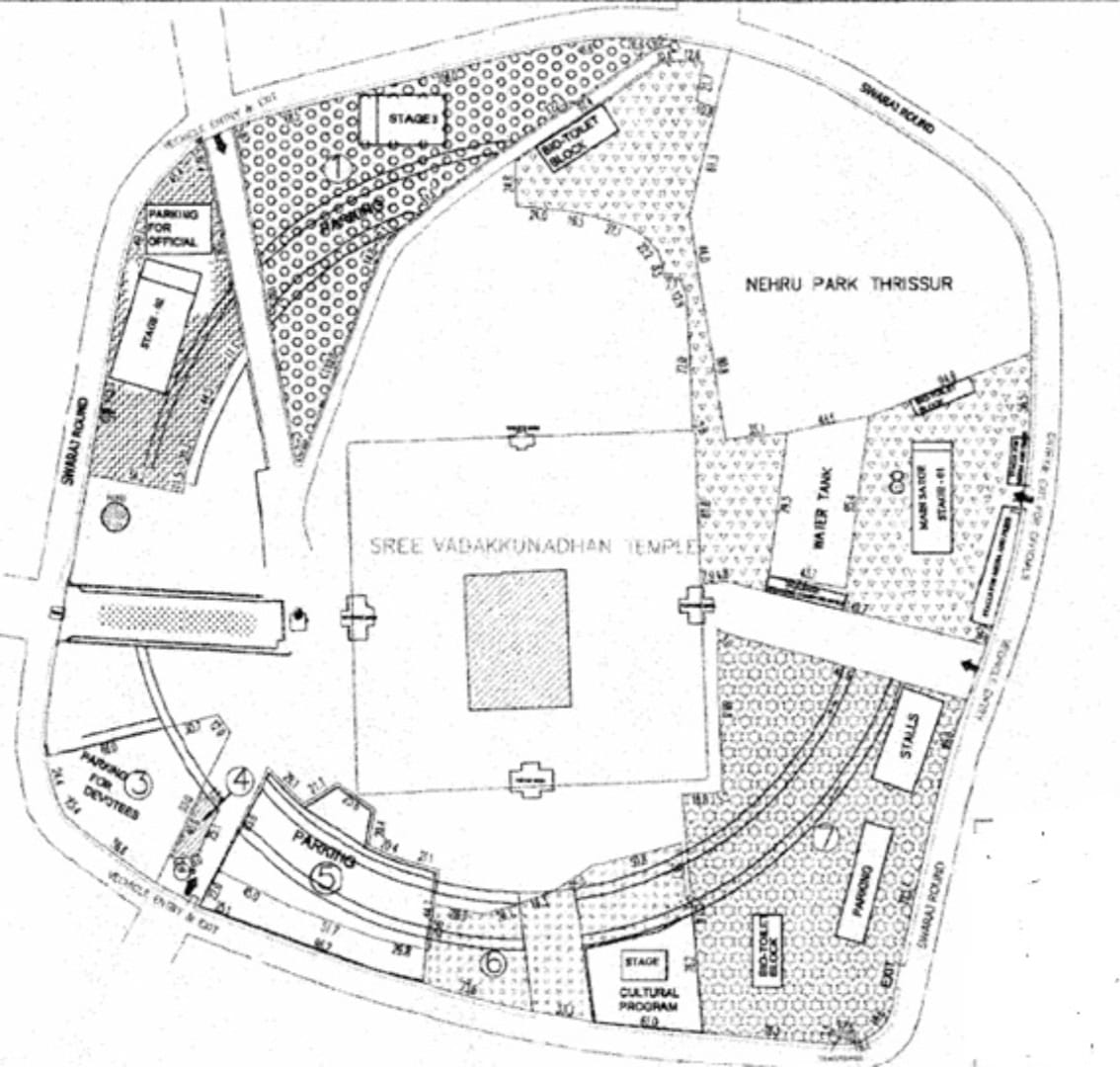
Topographic map of Thekkinkadu Maidan
Long before modern planning took shape, the visionary policies of the erstwhile rulers encouraged trade and commerce, helping transform Thrissur into a thriving commercial and cultural centre. Its rich blend of religious, historical and archaeological landmarks has since made the city one of Kerala’s most prominent tourism destinations.
Yet Thekkinkadu Maidan’s significance extends well beyond its urban landscape.
For generations, it has stood as one of Kerala’s foremost public squares, a place where history has unfolded in full public view.
Writer and social activist K Aravindakshan describes a walk across the Maidan as a journey through the evolution of modern political thought in Kerala.
The ground has echoed with the voices of national leaders and statesmen, including Mahatma Gandhi, Jawaharlal Nehru, EMS Namboodiripad, C Achutha Menon, Atal Bihari Vajpayee and Narendra Modi.
It has also borne witness to landmark student movements, powerful trade union agitations and transformative social reform campaigns, cementing its place as one of the state’s most enduring democratic spaces.
Also Read: Protected under Left, suspended under UDF: Senior IPS officer M.R. Ajithkumar’s fortunes reverse
On 16 July, a Division Bench of the Kerala High Court comprising Justices Raja Vijayaraghavan V and KV Jayakumar ruled that political activities cannot be allowed at Thekkinkadu Maidan, citing the Religious Institutions (Prevention of Misuse) Act, 1988, and a series of earlier judicial pronouncements.
The Bench held that temples are not spaces for political activity and rejected the plea seeking permission to hold political programmes on the temple grounds. It also made it clear that programmes organised by State government departments, in general, cannot be conducted at the Temple Maidan.
At the same time, the court permitted the Cochin Devaswom Board to allow events connected with the Devaswom Department and temples under various Devaswom Boards without collecting any licence fee or rent.
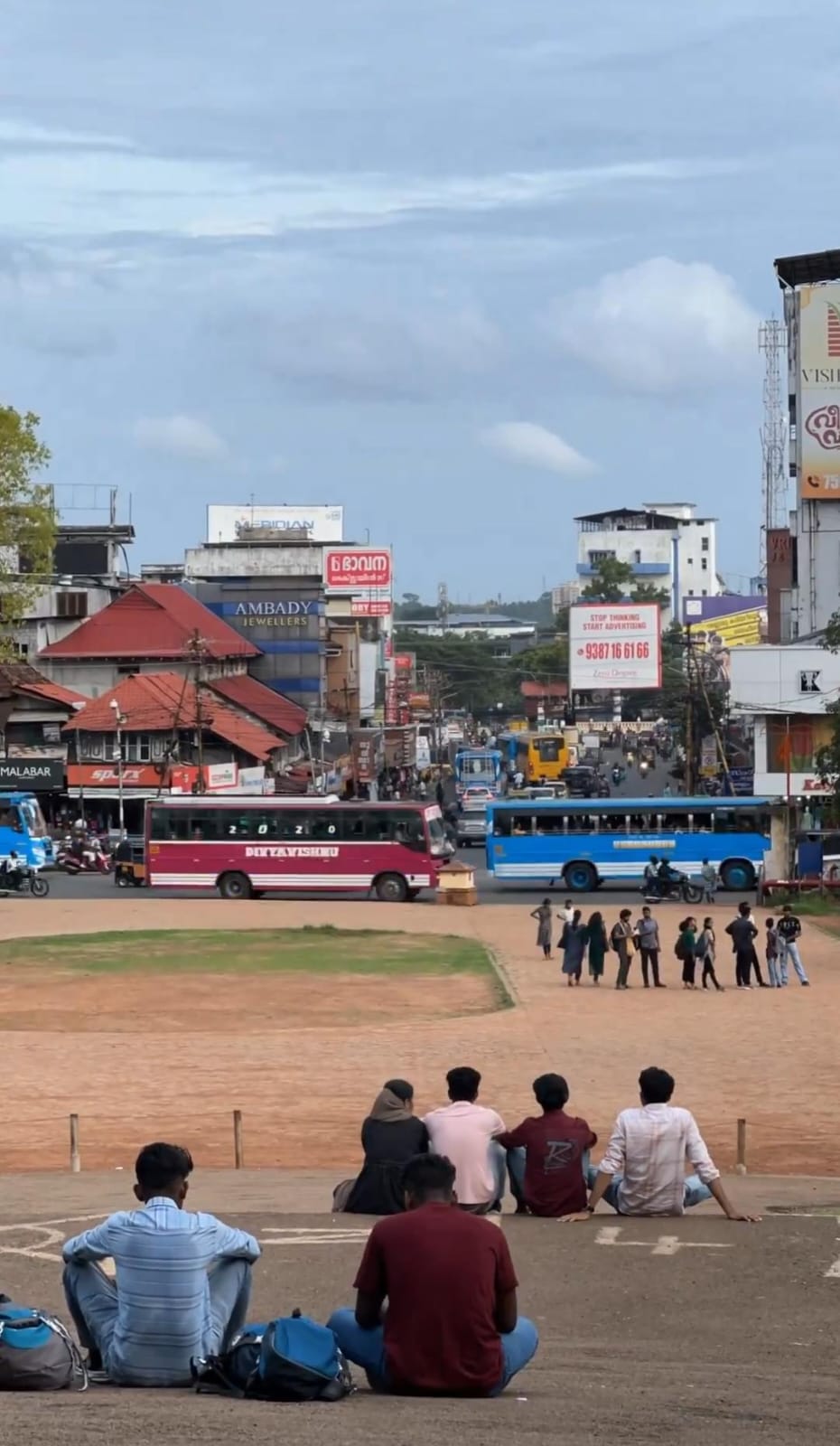
Part of Thekkinkadu Maidan, viewed from Sree Vadakkumnathan Temple. (Courtesy: Kerala Tourism)
However, if government departments other than the Devaswom Department are allowed to use the Maidan, the Board should levy an appropriate licence fee.
The judges also dealt with the question of cultural programmes, observing that the term is broad and cannot be confined to a fixed definition.
Rather than prescribing a rigid rule on which events should or should not be permitted, the court left the decision to the Devaswom Board, directing it to exercise its discretion carefully while ensuring that the sanctity of the temple is preserved and the interests of devotees remain paramount.
The verdict came while considering a batch of petitions that sought to stop the Maidan from being rented out to political and non-political organisations, commercial establishments and private organisers for various events. The petitioners argued that the temple grounds should be reserved exclusively for activities connected with the temple and its rituals.
The Cochin Devaswom Board has consistently argued before the Kerala High Court that Thekkinkadu Maidan can be used for a range of activities without compromising the temple’s sanctity, while also helping ease its mounting financial burden.
During the latest proceedings, the Board recalled a series of court orders dating back to 1990.
It pointed out that although the High Court had then barred the Board from leasing or licensing the Maidan, later orders permitted limited exceptions.
Seasonal licences were allowed during the Thrissur Pooram festival for vendors selling items such as drinking water and watermelons, besides permission to organise the annual exhibition.
The court had made it clear that temporary licences for festival-related business could continue despite the general restriction.
The Board also referred to a 2003 judgment in which the High Court observed that Thekkinkadu Maidan could be put to uses that did not offend the religious sentiments of the Hindu community.
In 2022, recognising the Board’s severe financial distress following the Covid-19 pandemic, the court allowed the Onam exhibition and trade fair to be held at the designated exhibition ground within the Maidan, subject to the condition that it remained confined to the area where no afforestation had been undertaken.
In its latest plea, the Board said it is struggling to administer the 409 temples under its control because of an acute financial crunch.
It sought a declaration that prior court approval should not be required for permitting religious, cultural and similar events at the Maidan, arguing that such flexibility would generate much-needed revenue.
The Board further submitted that the exhibition ground remains occupied only during the Thrissur Pooram exhibition from February to June. It said the site lies largely unused for the rest of the year and could be productively leased between July and January for suitable events, improving revenue without affecting temple rituals or the character of the Maidan.
However, those contesting this view argued before the court that the Board and its officials have flouted the court’s orders by granting the Maidan to political and non-political organisations.
Moreover, it was pointed out that musical concerts, dances and similar performances are being held on the Maidan, affecting the religious sentiments of the Hindu community.
Also Read: More victims emerge in medical college morphing case; police to file additional FIRs
The debate over the ruling took a significant turn on Saturday, 25 July, as the Cochin Devaswom Board brought together political parties, Hindu organisations and socio-cultural groups to hear their views on the judgment.
The meeting produced an unusual moment in Kerala politics.
Parties that are otherwise fierce rivals — the Congress, CPI(M), CPI, Indian Union Muslim League, Kerala Congress factions, Forward Bloc and several others — closed ranks in defence of Thekkinkadu Maidan as a public space.
They argued that restricting political meetings at the iconic venue could have implications extending well beyond Thrissur, affecting democratic expression and public access to a place that has long served as a common civic platform.
Representatives from these parties urged the Devaswom Board to examine all available legal options, including challenging the High Court verdict before the Supreme Court.
The BJP, however, struck a different note. While agreeing that people should have access to public spaces for gatherings, the party insisted that any future course of action must ensure that temple rituals and the religious character of the premises remain undisturbed.
Meanwhile, opening the discussion, Cochin Devaswom Board President K Ravindran clarified that the purpose of the meeting was limited to informing stakeholders about the High Court’s ruling and collecting their opinions. He stressed that the Board had not convened the gathering to decide whether it should file an appeal.
Political leaders, representatives of Hindu organisations and members of socio-cultural bodies participated in the meeting and presented their respective positions.
Unlike the political parties, Hindu organisations strongly endorsed the court’s decision.
The Kshethra Samrakshana Samithi, Poorapremi Sangham, Hindu Aikya Vedi, Vishwa Hindu Parishad (VHP) and the Rashtriya Swayamsevak Sangh (RSS) maintained that the verdict appropriately protected the sanctity of temple rituals. They argued that the Cochin Devaswom Board’s foremost responsibility is to safeguard temple traditions and the interests of devotees, and that these obligations should take precedence over political activities within the premises.



