

Published Mar 02, 2026 | 6:46 PM ⚊ Updated Mar 02, 2026 | 6:46 PM

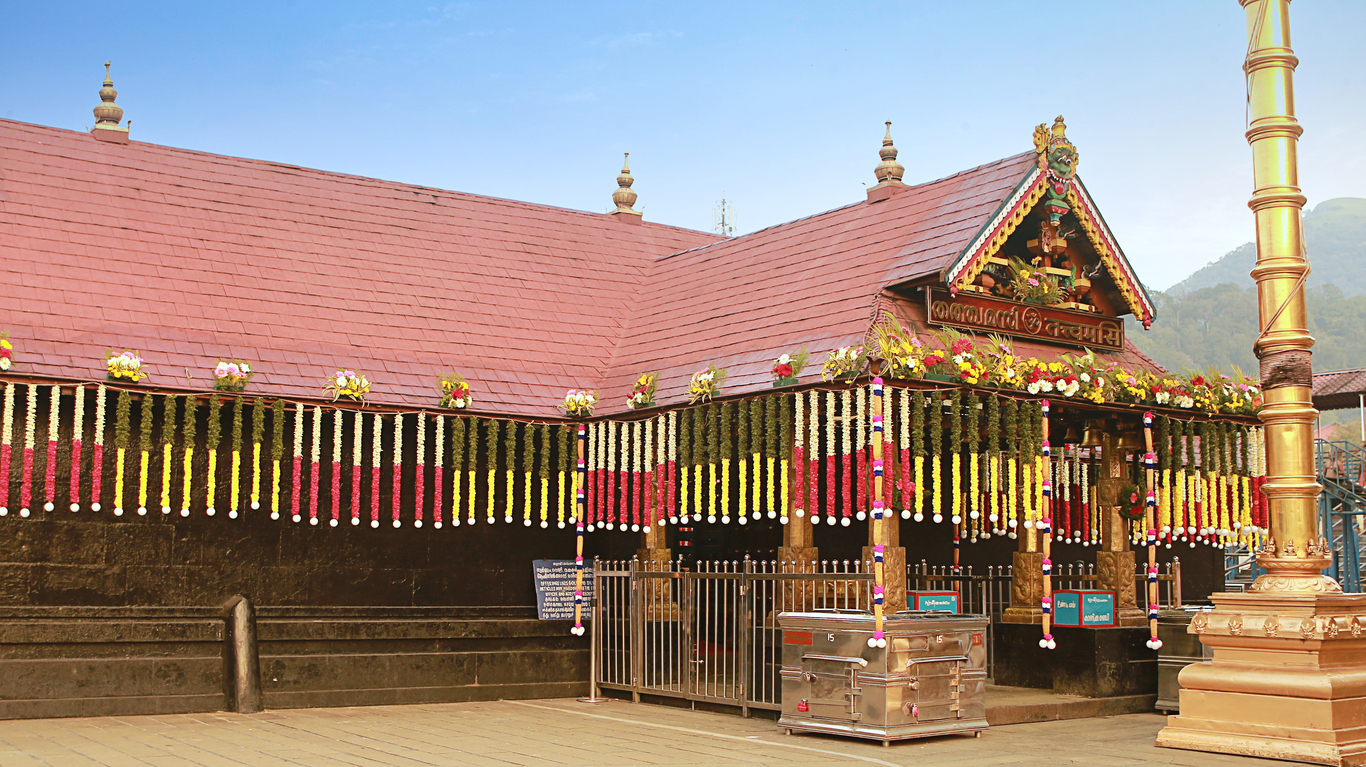
Sabarimala temple. Credit: iStock
Synopsis: In 2018, the Supreme Court struck down a 1991 Kerala High Court verdict that upheld the centuries-old practice of prohibiting women of menstruating age from entering the Sabarimala temple. The Left Democratic Alliance government in Kerala stood firmly by the apex court. However, the government has now changed its stand.
In a significant shift with far-reaching legal and political implications, the Travancore Devaswom Board (TDB) has decided to oppose the 2018 Supreme Court verdict permitting the entry of women of all ages to the Sree Dharma Shasta Temple in Sabarimala.
At a press conference after a board meeting on Monday, 2 March, TDB President K Jayakumar announced that the board would formally inform the Supreme Court of its decision by 14 March.
The apex court has directed all stakeholders to clarify their stand on the issue by that date, with hearings slated to resume on 7 April before a three-judge bench headed by Chief Justice Surya Kant.
Jayakumar said the Board’s primary responsibility is to safeguard the temple’s age-old rituals and practices.
“The Devaswom Board was formed to protect customs and traditions. Our stance has always been consistent with that objective,” he said, adding that there is “no confusion” in the board’s position.
The Board’s decision effectively aligns it with devotees who have long argued that the restriction on women of menstruating age is integral to the temple’s unique traditions dedicated to Lord Ayyappa.
Jayakumar also indicated that a special budget would be prepared for the upcoming pilgrimage season.
The move marks a dramatic departure from the Board’s stance during the 2020 review proceedings.
At that time, the TDB’s counsel had argued there was no need to revisit the 2018 judgment and even made submissions validating the verdict.
The new decision signals a pivot toward supporting a review of the landmark ruling — a reversal that is likely to rekindle debate in Kerala’s socio-political landscape.
In 2018, the Supreme Court struck down a 1991 Kerala High Court verdict that upheld the centuries-old practice of prohibiting women of menstruating age from entering the Sabarimala temple. The Left Democratic Alliance (LDF) government in Kerala stood firmly by the apex court.
Despite violent protests and political backlash, it facilitated the entry of two women, Bindu Ammini and Kanakadurga, into the hill shrine, invoking constitutional rights and gender equality.
However, the government’s tone has now shifted. The LDF now sounds more cautious, even deferential to the sentiments of traditionalists.
Incidentally, the TDB announced its decision even as Sabarimala has been rocked by an alleged theft of gold from the temple properties.


