


The state government said that even though Swiggy proposed for the home delivery of liquor, no decision has been taken.

Published Jul 19, 2024 | 12:00 PM ⚊ Updated Jul 19, 2024 | 12:00 PM

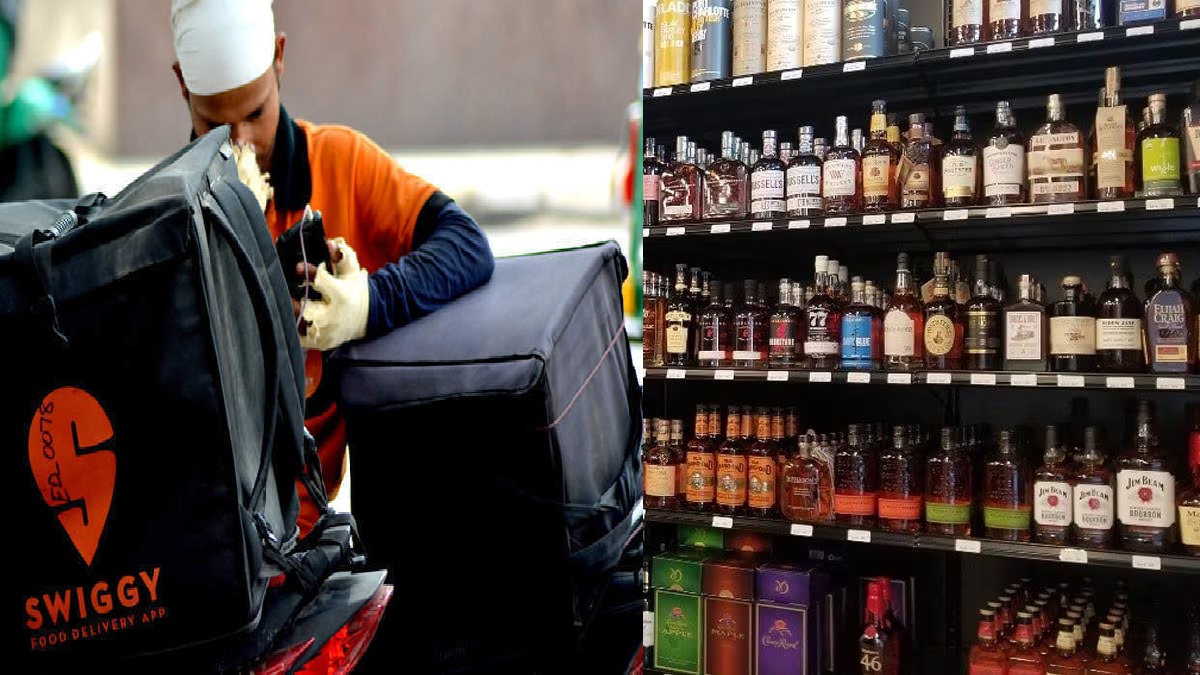
The state government received the proposal from Swiggy on the first week of July to home deliver liquor.
A proposal submitted to the Kerala government by online food delivery aggregator Swiggy to supply liquor to consumer’s doorsteps in collaboration with distribution companies has shaken a hornet’s nest in the state.
The state government received the proposal from Swiggy on the first week of July.
Following the move, Kerala has been debating the potential social and economic impacts of online liquor distribution, including evaluating the effects on local businesses, public health and safety.
P George, who manages a rehabilitation centre in Ernakulam, told South First that implementing strict regulations and robust monitoring systems will be essential to prevent misuse and ensure responsible consumption.
“Additionally, state governments should engage with stakeholders, including community leaders and public health experts, to gather diverse perspectives and develop comprehensive policies. Such a measured approach will help balance the convenience of online liquor sale with the need to address potential risks and societal concerns,” George said.
Pointing out that Kerala’s Excise policy prohibits selling alcoholic beverages to persons aged below 23, George said that there was a risk that individuals may provide false information or use someone else’s account to receive alcohol deliveries.
“Requiring recipients to present ID at the door can raise privacy concerns and discomfort for some customers. Companies offering alcohol delivery services must navigate the legal responsibilities and liabilities associated with verifying the age of recipients, which can be complex and risky,” he said.
It can be challenging to verify the recipient’s age during home delivery, which increases the risk of alcohol being delivered to underage individuals and a proper, foolproof mechanism is needed”, Geroge added.
During the lockdown during the pandemic period, this was the main concern when the state considered alcohol delivery through online platforms.
The state later settled for Bev-Q, an app developed by a Kochi startup.
He also pointed out that the recent Abkari Policy of the state government allows more players to enter the liquor business thereby increasing competition among liquor companies has put its intention to promote the toddy business at stake.
“This will be a threat to toddy shops,” he added.
One of the contentious aspects of the Kerala Abkari Policy 2023-24 is the potential social and health impact of promoting the liquor industry.
While the government emphasises the economic benefits, such as increased tourism and job creation, critics argue that this focus may lead to higher rates of alcohol consumption and related issues, including addiction and health issues.
The policy also raised concerns about the possible increase in alcohol-related crimes and the strain on law enforcement and healthcare services.
It also said balancing economic development with social responsibility remains a challenge, and the government needs to address these concerns to ensure the policy’s success and acceptance among the public.
The new policy proposes to rebrand toddy, Kerala’s traditional liquor made by fermenting coconut and palm sap, as “Kerala toddy.”
Three-star hotels and above will be allowed to serve “Kerala toddy” to their guests.
In the foreign liquor (FL) sector, Kerala has 384 FL 1 shops (BEVCO), 721 FL 3 licenses (for three-star hotels and above), 295 FL 11 licenses (beer and wine parlours), and 44 FL 4A club licenses.
The policy aims to boost the state’s foreign liquor and beer production by reopening defunct breweries and expanding the capacity of existing ones.
Additionally, the government plans to grant more foreign liquor retail licenses and introduce pub licenses to IT and industrial parks soon.
The policy aims to attract more youth into the toddy tapping and retail businesses, by ensuring job opportunities.
The Opposition parties in Kerala, including the BJP and Congress, strongly voiced their concerns against the upcoming reports on the online delivery of alcohol in the state.
They argue that this move could lead to increased alcohol consumption and related social issues.
Both parties believe that such a policy might negatively impact public health and safety, and they urge the government to reconsider its stance.
Thrikkakara MLA Uma Thomas of the Congress outlined potential challenges regarding the proposed online alcohol delivery project.
“Before commenting on the online delivery of alcohol, I want to raise concerns about the current state of food delivery services. In Kerala, there is no proper monitoring of online food delivery partners. How can we even consider alcohol delivery when we haven’t addressed these existing issues? This is not a trivial matter, as it could have significant adverse effects on society. Kerala is not yet mature enough for such changes,” Thomas told South First.
BJP too opposed the idea of delivering the liquor to home.
“Kerala has become a hub for drugs. If the government continues with such proposals, the BJP will undoubtedly oppose them,” BJP spokesperson Narayanan Namboothiri told South First.
“Keralites have a unique lifestyle that differs from those in Odisha or West Bengal. Implementing policies under the guise of promoting tourism without thorough studies is unacceptable,” he added.
“We are aware of the restrictions on selling tobacco products near schools,” Namboothiri remarked sarcastically.
However, the state government denied the reports that a decision was taken on home delivery of liquor.
Speaking to South First, Excise Minister MB Rajesh said: “Unlike (what is claimed) in newspaper reports and channel debates, the government hasn’t formally discussed the proposal. Only (thing is that) Swiggy submitted a proposal to distribute alcohol online. They also claim the successful execution of this in the cities of Odisha and West Bengal”
“I don’t understand why some groups blindly oppose everything without studying the actual situation. We (the government) need to conduct studies on this, first; only then will the government make a decision on online alcohol delivery,” the minister said.
During the pandemic in 2020, Swiggy and Zomato began offering online liquor delivery in non-metro areas to diversify their services due to a significant impact on their core businesses.
Swiggy launched its service in Ranchi after obtaining approval from the Jharkhand government. Zomato also started in Ranchi with plans to expand to seven other cities in the state.
They were also negotiating with authorities in major cities to further extend their services, however, it did not become fruitful.
At that time, only Odisha and West Bengal allowed home delivery of liquor.
However, temporary permissions given during the Covid-19 lockdown in Maharashtra, Jharkhand, Chhattisgarh, and Assam proved successful despite restrictions.
Retail industry officials reported a 20-30 percent increase in sales due to online delivery in West Bengal and Odisha.
(Edited by Muhammed Fazil)
(South First is now on WhatsApp and Telegram)


