

Published Apr 25, 2026 | 6:25 PM ⚊ Updated Apr 25, 2026 | 6:26 PM

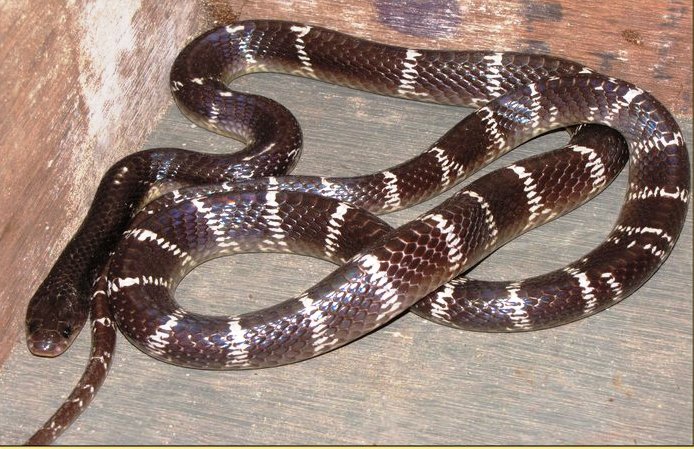
With temperatures soaring, snakes and other reptiles are being driven out of their natural habitats in search of cooler, shaded spaces.

Synopsis: The Health Department says that anti-snake venom is available in 146 hospitals, including all taluk-level facilities. In case of a bite, officials stress immediate medical attention rather than wasting time identifying or capturing the snake.
As Kerala reels under sweltering heat, an unseen consequence is slithering closer to human settlements: snakes.
Increased sightings, rescue operations, snakebite cases, and even deaths are being reported across districts, turning a seasonal pattern into a growing public safety concern.
The connection is not incidental.
With temperatures soaring, snakes and other reptiles are being driven out of their natural habitats in search of cooler, shaded spaces—often bringing them into proximity with human dwellings.
Health Department officials remind that prevention and timely treatment are crucial, emphasising that households must eliminate potential nesting spaces such as overgrown bushes, garbage piles, and burrows.
The Health Department maintains that anti-snake venom (ASV) is available in 146 hospitals, including all taluk-level facilities. In case of a bite, officials stress immediate medical attention rather than wasting time identifying or capturing the snake.
The state-run Kaniv 108 Ambulance Service plays a critical role, ensuring victims are transported to equipped hospitals while providing first aid en route.
Authorities also recommend practical precautions: sealing entry points in homes, avoiding sleeping on the floor or outdoors, using mosquito nets, wearing protective footwear, and carrying a torch at night.
Residents are advised to contact the Forest Department or use the Sarpa App for safe snake rescue, instead of attempting to handle reptiles themselves.
However, the Kerala Government Medical Officers’ Association has sounded a note of caution.
While welcoming expanded treatment access, it highlights the risks associated with ASV administration, including severe allergic reactions and anaphylaxis that demand continuous monitoring, ventilator support, and immediate medical intervention.
The association points out that many government hospitals are overstretched, often with a single doctor managing crowded casualty wards. This limits the ability to monitor critical patients. It has called for a scientific triage system and additional staffing to ensure timely care.
Recent fatalities—including a 65-year-old woman in Alappuzha and two children—underscore the urgency. Data from the Forest Department reveals a stark reality: of 1,549 deaths linked to human-animal conflict over 15 years, nearly 75% were due to snakebites, mostly outside forest areas.



