

Published Jun 08, 2026 | 12:31 PM ⚊ Updated Jun 08, 2026 | 12:32 PM

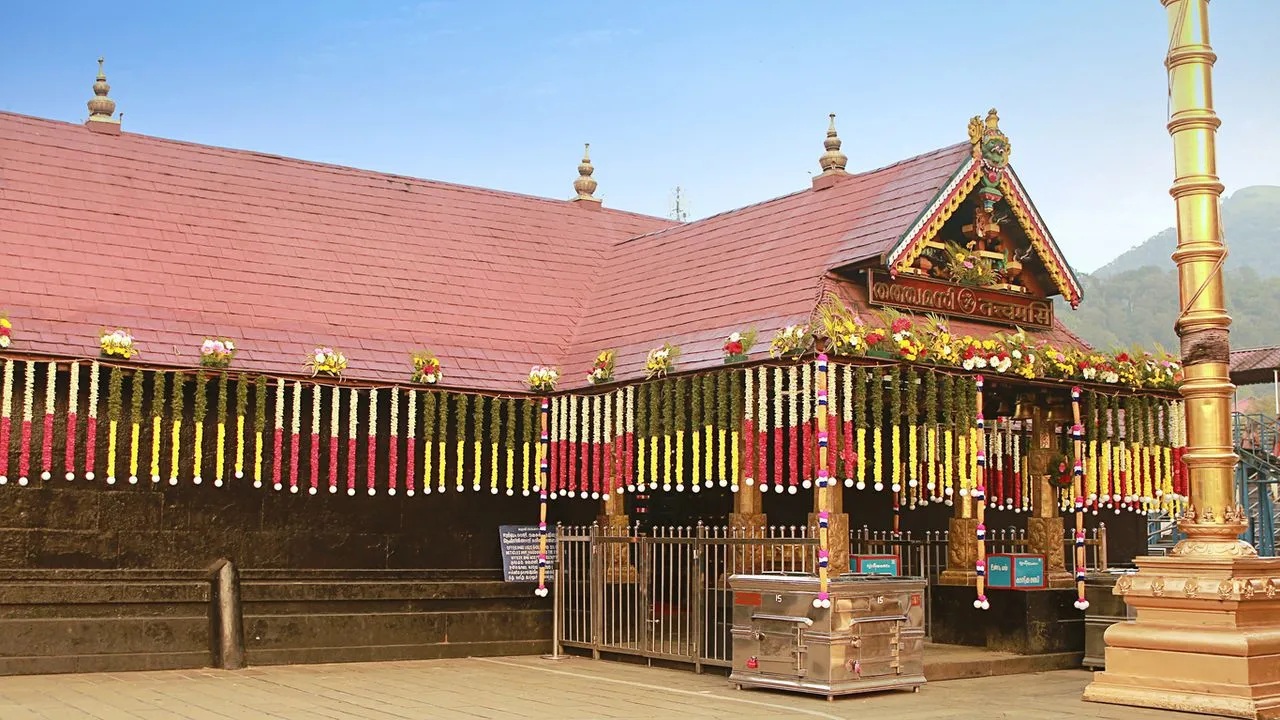
The Sree Dharma Sastha Temple at Sabarimala is caught in controversies. (iStock)

Synopsis: The SIT probing the alleged theft of gold artefacts from the Sabarimala temple is set to submit a key metallurgical analysis report to the Kerala High Court, with the prosecution is treating as crucial evidence in the case. The court is expected to issue further directions after examining the report, following which the SIT may move to file its chargesheet.
The Special Investigation Team (SIT) probing the alleged theft of gold artefacts from the famed Sabarimala temple is set to submit the scientific analysis report of the National Metallurgical Laboratory (NML), Jamshedpur, before the Kerala High Court on Monday, 8 June.
The report, based on the examination of 36 samples, is considered a crucial piece of evidence in the case.
After reviewing the report, the High Court is expected to issue further directions, following which the SIT is likely to expedite the filing of its chargesheet.
According to sources, the metallurgical analysis provides key findings on the removal of the original gold cladding and the quantity of gold allegedly lost during subsequent replating work.
The SIT has maintained that the NML report forms the foundation of the prosecution case, which centres on allegations that gold cladding on temple structures was removed and replaced with thinner plating to conceal misappropriation.
Also Read: How a pressure cooker ratted out ‘ganja peddler’ in Kerala
The probe stems from discrepancies flagged in the accounting of gold used for the new flag mast at the Sabarimala temple.
According to the CVO report, the Devaswom Board approved an estimate of ₹3.20 crore on 23 September 2016 and decided that the project would be fully funded by Phoenix Infrastructure Pvt Ltd, Hyderabad.
On 22 March 2017, 9.161 kg of gold was purchased from the Customs Department, while devotees contributed another 412 grams, taking the total quantity of available gold to 9,573.010 grams.
However, only 9,340.2 grams were officially recorded as having been used for the flag mast.
The High Court noted the discrepancy and criticised the absence of individual donor receipts, calling it a serious procedural lapse and a violation of Devaswom rules and financial accountability norms.
Permission had not been granted to gold-plate the thazhikakkudams (kalash), although proposals to do so were made and partly implemented amid disputes.
The court also referred to earlier findings by High Court-appointed Advocate Commissioner ASP Kurup. His 2018 report highlighted disagreements during the work and irregularities in accounting.



