

Published Jun 15, 2026 | 12:00 AM ⚊ Updated Jun 15, 2026 | 12:00 AM

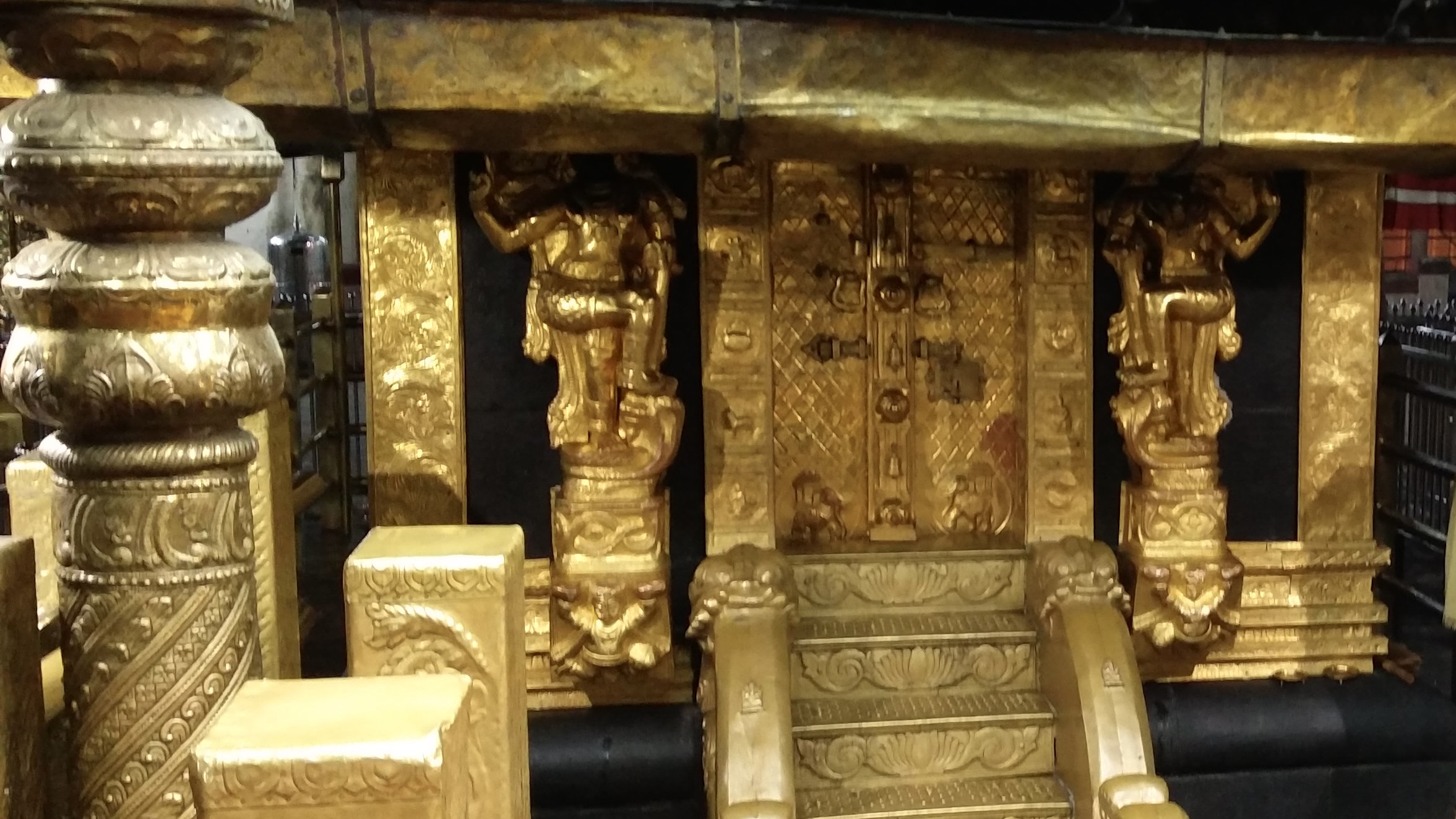
Gold-plated panels fixed near the entrance to the sanctum sanctorum of the Sabarimala temple.

Synopsis: The SIT probing the alleged theft of gold artefacts from the Sabarimala temple has begun a Kerala HC-approved inspection of the Prabhamandalam and other gold-plated structures inside the shrine, with samples to be sent for scientific analysis. Investigators say the examination is crucial to determining the quantity of gold missing and to establishing how it may have been removed.
The Special Investigation Team (SIT) probing the alleged theft of gold artefacts from the Sabarimala temple has begun a detailed assessment of the Prabhamandalam and other structures inside the shrine following its reopening on Sunday, 14 June for the monthly Mithuna Masam poojas.
The inspection is being carried out with special permission granted by the Kerala High Court, which directed the SIT to complete the examination within 10 days.
As part of the exercise, officials will dismantle and inspect the gold-plated panels fixed near the entrance to the sanctum sanctorum, including sections attached to the temple door frame. Samples collected from the gold sheets covering the Prabhamandalam and the upper portions of the temple doors will be sent for scientific analysis.
Investigating officer and Deputy Superintendent of Police S. Sasidharan had informed the court that an examination of these panels was essential to accurately determine the quantity of gold allegedly missing from the temple. Earlier attempts to carry out the inspection had been delayed owing to objections.
The investigation has already received significant support from scientific evidence. Tests conducted earlier at the National Metallurgical Laboratory in Jamshedpur reportedly confirmed that gold had been extracted from metal plates at Chennai-based Smart Creations in 2019.
The SIT will also subject the chemical compound allegedly used in the extraction process, commonly referred to as stripping salt, to further scientific examination.
Investigators believe the findings from the inspections and laboratory analyses will help establish the method by which the gold was removed.
Also Read: Appointment row rocks UDF again; Devaswom special pleader resigns
The probe stems from discrepancies flagged in the accounting of gold used for the new flag mast at the Sabarimala temple.
According to the CVO report, the Devaswom Board approved an estimate of ₹3.20 crore on 23 September 2016 and decided that the project would be fully funded by Phoenix Infrastructure Pvt Ltd, Hyderabad.
On 22 March 2017, 9.161 kg of gold was purchased from the Customs Department, while devotees contributed another 412 grams, taking the total quantity of available gold to 9,573.010 grams.
However, only 9,340.2 grams were officially recorded as having been used for the flag mast.
The High Court noted the discrepancy and criticised the absence of individual donor receipts, calling it a serious procedural lapse and a violation of Devaswom rules and financial accountability norms.
Permission had not been granted to gold-plate the thazhikakkudams (kalash), although proposals to do so were made and partly implemented amid disputes.
The court also referred to earlier findings by High Court-appointed Advocate Commissioner ASP Kurup. His 2018 report highlighted disagreements during the work and irregularities in accounting.
(Edited by Dese Gowda with inputs from Sreelakshmi Soman)



