


Published Jun 18, 2026 | 9:00 AM ⚊ Updated Jul 03, 2026 | 9:33 AM

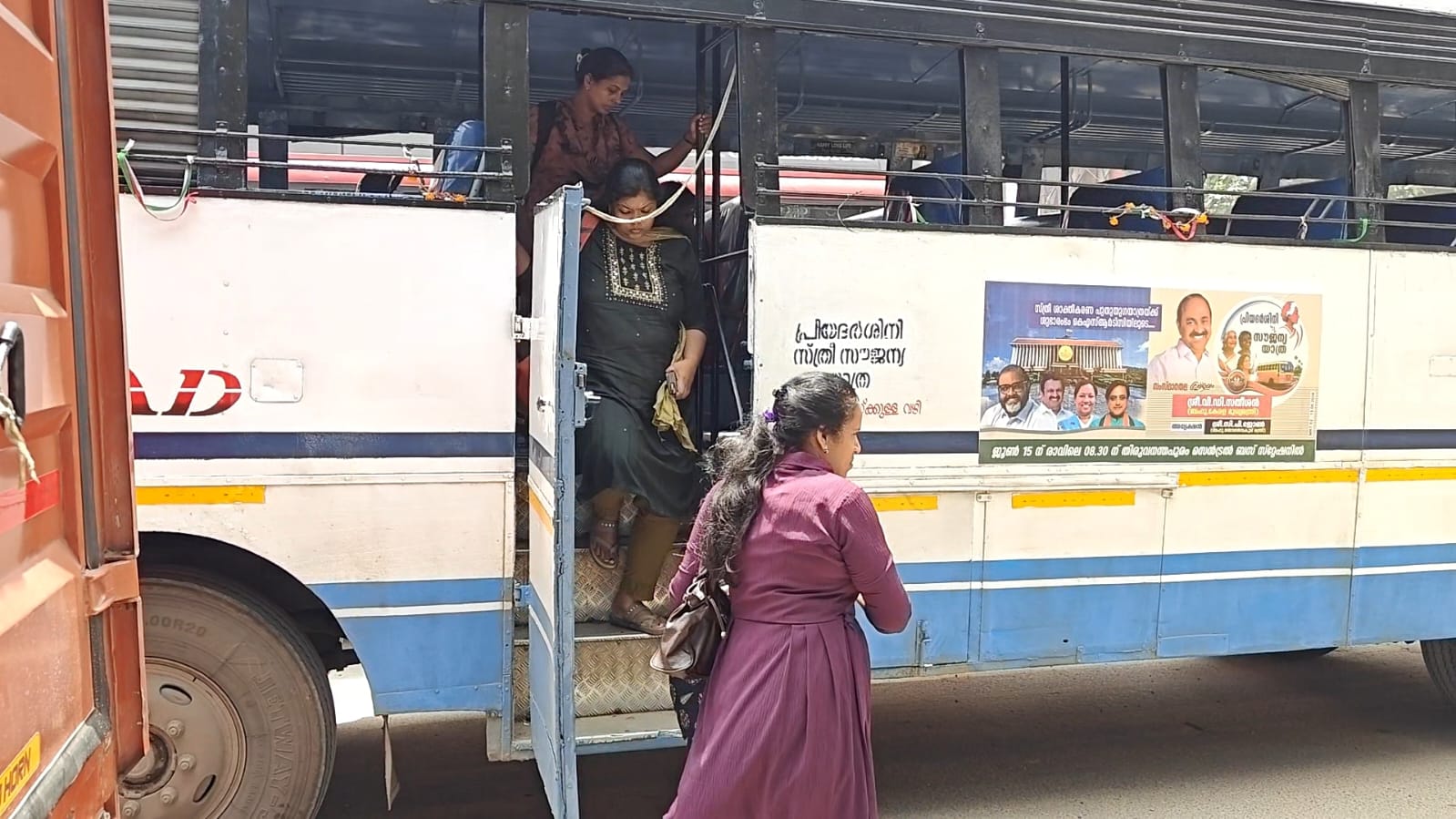
Following the implementation of the Priyadarshini scheme, KSRTC has witnessed a surge in female ridership from around 10 lakh to nearly 15 lakh.

Synopsis: Two days after the launch of the Priyadarshini scheme offering free travel for women and transgender persons in KSRTC ordinary buses, commuters are weighing its immediate benefits against concerns over overcrowding, financial sustainability and questions of equality. From students and homemakers celebrating tangible savings to senior citizens, entrepreneurs and KSRTC staff raising practical challenges, the scheme has sparked a wider conversation on welfare, mobility and public transport in the state.
Barely two days after the launch of the Kerala government’s flagship Priyadarshini scheme, which allows women and transgender persons to travel free of cost in KSRTC ordinary services, bus stations have become spaces for animated discussion.
For some, the initiative promises meaningful savings amid rising living costs. For others, it raises questions about sustainability, fairness and the future financial burden on the state-run transport corporation.
A visit to bus stands and depots, along with conversations with daily commuters, students, homemakers, entrepreneurs, senior citizens and KSRTC employees, revealed a complex picture — appreciation for the scheme often coexists with concerns about its long-term viability.
Also Read: Do women in Kerala need free travel in KSRTC buses?
Among the most enthusiastic supporters are women who rely on public transport for work, education, healthcare and household responsibilities. For them, it’s nothing but a ticket to savings.
Keerthi, a resident of Palakkad district, whose husband stays in Alappuzha, welcomed the initiative but hoped the government would expand it further.
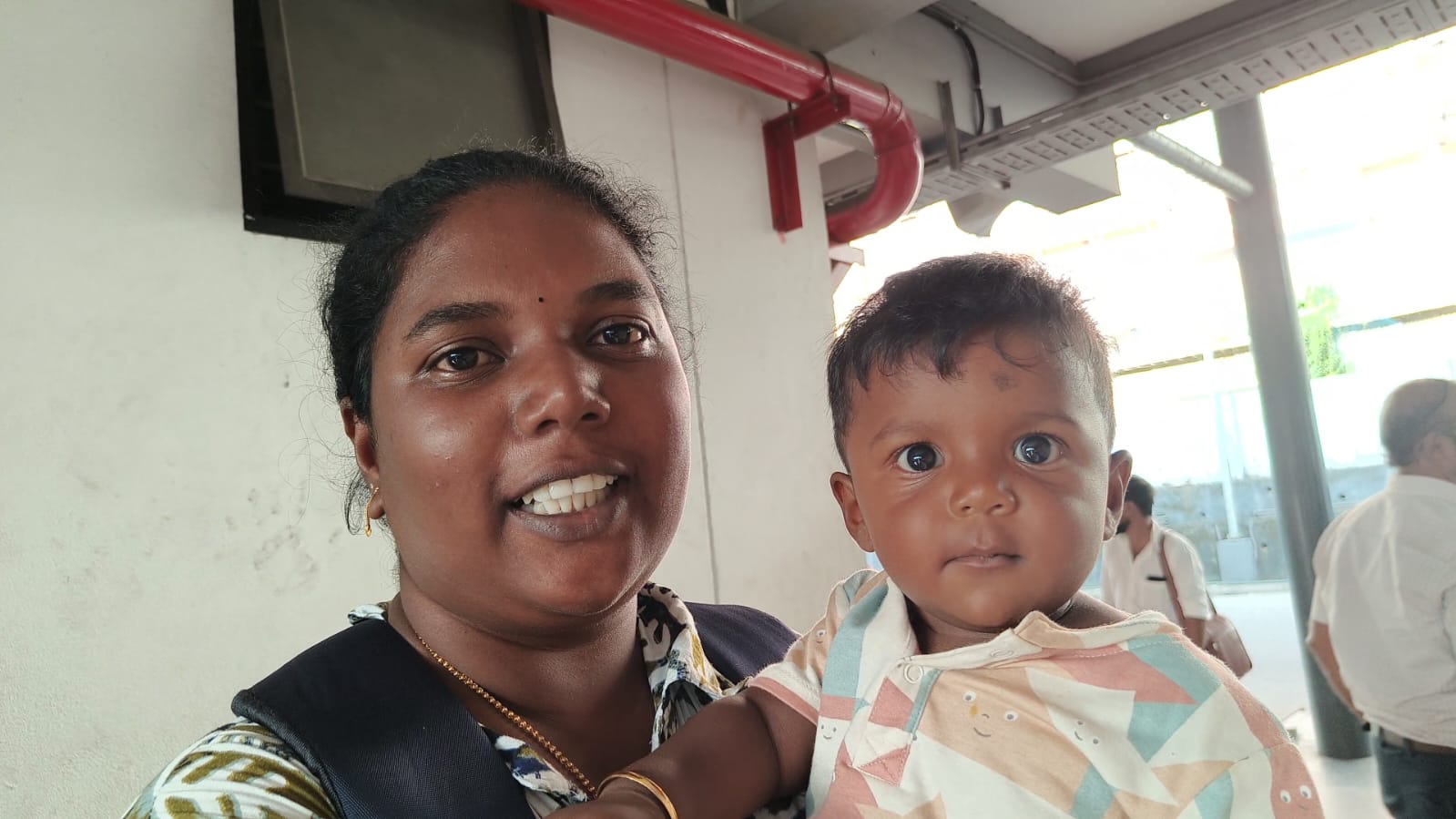
Keerthi.
“The scheme is beneficial. But it should not be limited to ordinary services alone. If possible, it should eventually be extended to Fast Passenger and Super Fast services as well,” she said.
For school students too, the benefits are immediate and measurable.
A group of students from SNDP Higher Secondary School in Aluva calculated that each of them could save around ₹26 a day because of the scheme.
While the amount may appear modest, they pointed out that over weeks and months, it would add up to a substantial sum for families.
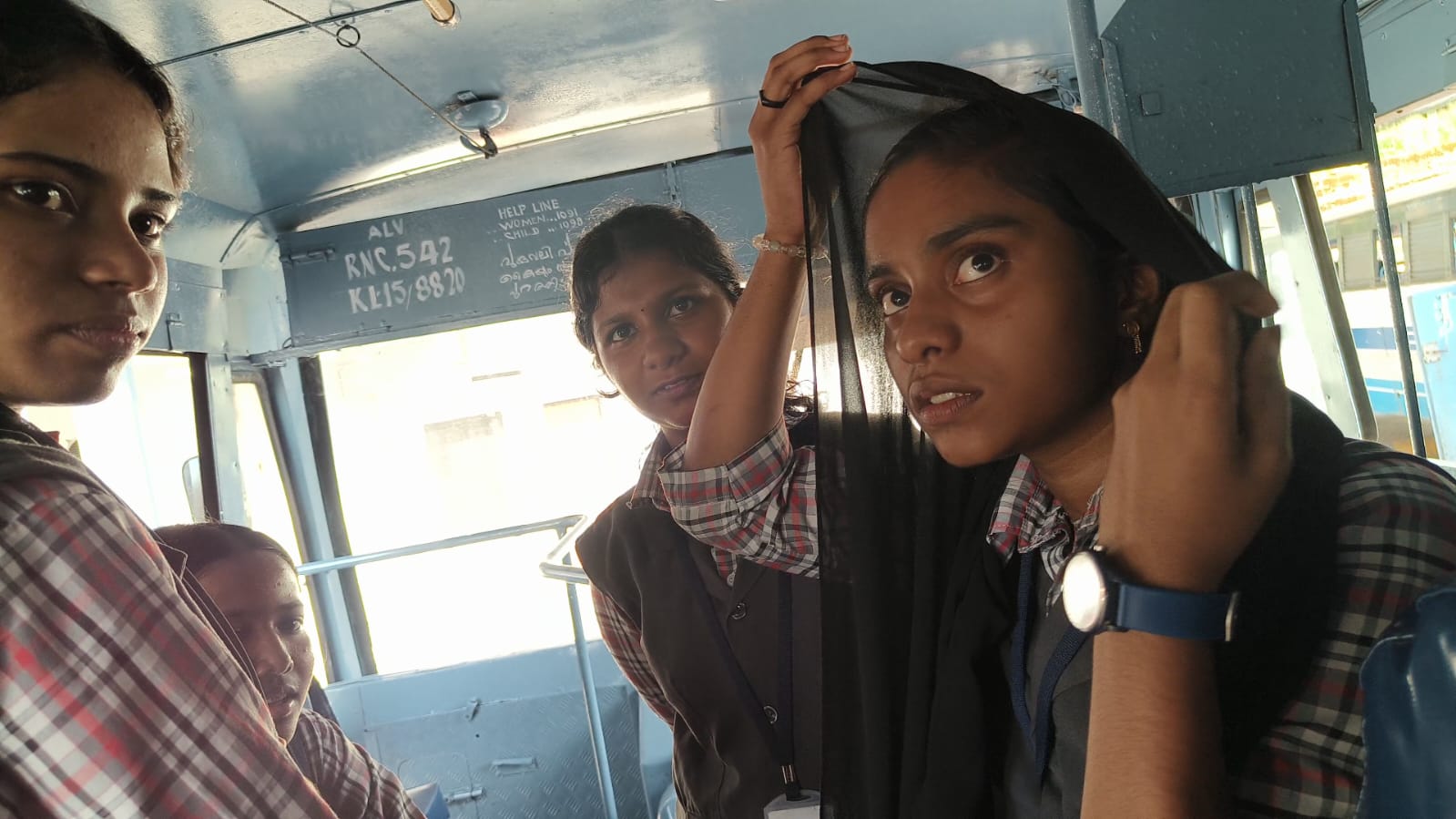
Students of SNDP Higher Secondary School, Aluva
Several women travelling through Thiruvananthapuram’s central bus station echoed similar sentiments.
Majida, a resident of Estate Ward in Pappanamcode, said she has to travel frequently to the Regional Cancer Centre (RCC), where her mother is undergoing treatment for breast cancer.
“I spend around ₹20–30 every day on bus travel. That amount can now be saved,” she said.
Binija, who travels from Malayinkeezhu to Thiruvananthapuram city for regular medical check-ups, believes the scheme comes at a time when families are already struggling with rising healthcare expenses.
“The price of medicines keeps increasing. In such a situation, even a small saving makes a difference,” she said.
Perhaps no one illustrated the economic impact better than Anandavally Amma, an entrepreneur involved in Ayurvedic medicine manufacturing.
She travels from Nedumangadu to Vellarada four days a week.
If she manages to board the direct ordinary bus connecting the two places, she spends ₹45 one way. A round trip costs her ₹90.
“Travelling four days a week means spending ₹360. If I travel for 15 days in a month, the expense comes to around ₹1,350. Now I can save that amount. It can either be used for purchases or kept aside as savings,” she explained.
Souda Beevi in Ernakulam too had reason to smile.
“In our family, there are eight women, and all of them travel outside regularly for various purposes. A significant amount can now be saved every month,” she said.
For many women, the scheme is not merely about bus fare. It represents greater mobility and a degree of financial independence at a time when household budgets are under pressure from rising prices.
Some commuters believe the benefits extend beyond women alone.
Jibin Babu, a scriptwriter, argued that the initiative ultimately helps entire families.

Jibin Babu.
“Fuel prices are increasing. Prices of essential commodities are also rising. Family budgets have been disrupted. In such a scenario, providing free travel for women is appreciable,” he said.
According to him, increased mobility will allow women to travel more frequently for personal and family needs.
“This is only the first phase. More buses can be brought under the scheme in the future. I don’t think this involves gender bias. A family consists of both men and women. When women save money, the whole family benefits,” he added.
His view reflects a broader argument being made by supporters of the scheme — that reducing transportation costs for women indirectly strengthens household finances and improves access to education, healthcare and employment opportunities.
Even among those who welcomed the initiative, doubts persisted regarding the financial implications.
Sruthi, a homemaker, offered a somewhat cynical interpretation of how the government might compensate for the loss in revenue.
“The government may recover the loss by increasing alcohol prices. The government will benefit from that, not us,” she remarked.
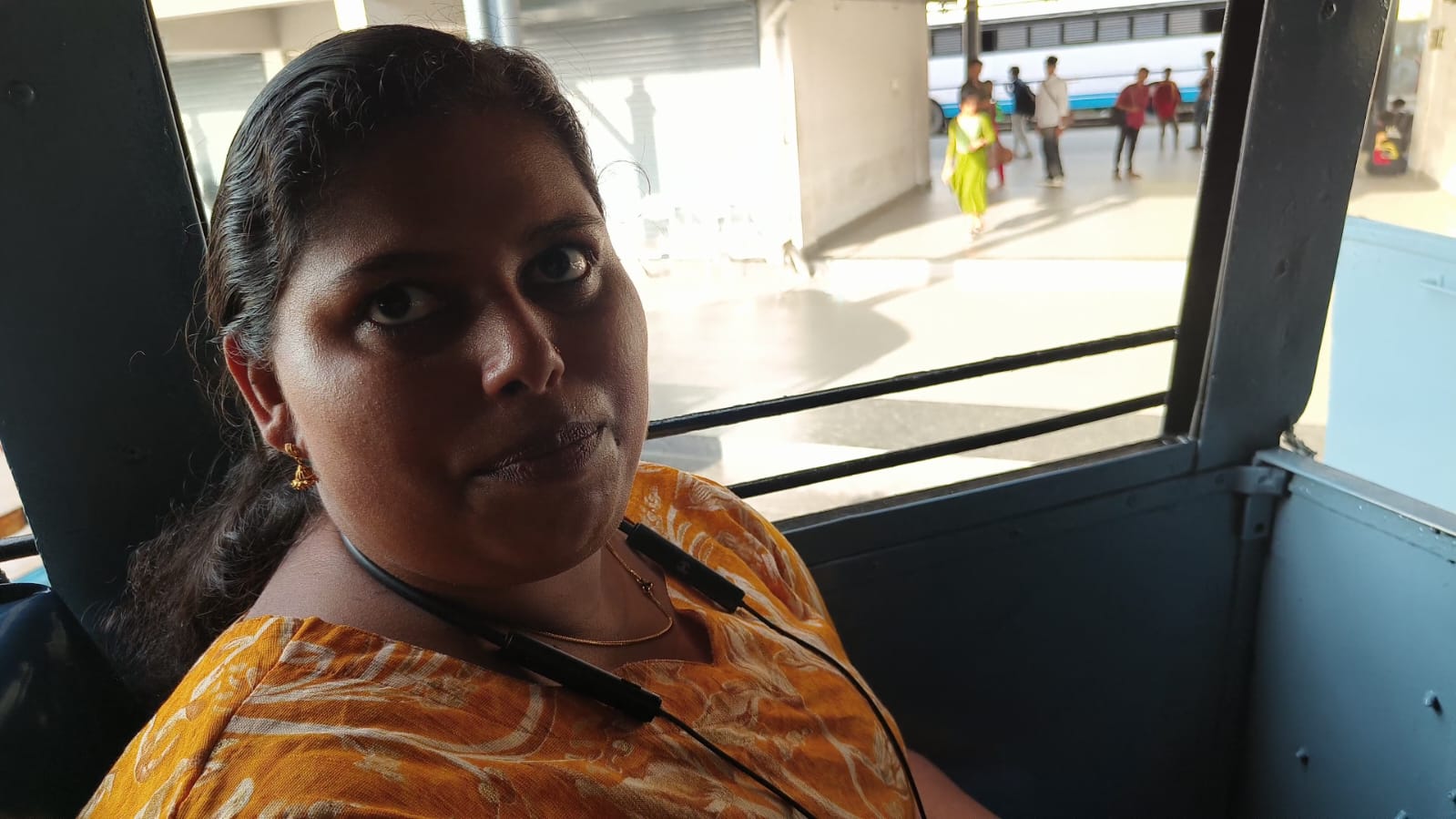
Sruthi.
According to her, if liquor prices rise, the additional money spent by consumers would otherwise have remained within households.
“The increased amount which could have come home will instead go into government coffers,” she said.
Anandavally Amma raised similar concerns from a different perspective.
“The scheme will certainly benefit people who depend on a daily income. But the question is how the government will compensate for the losses. KSRTC already survives with financial support from the government. With a blanket scheme like this, the loss could run into crores,” she observed.
She also questioned whether the benefits should be universal.
“Even financially well-off people are receiving the benefit. From an economic perspective, that may not be the most feasible approach,” she added.
Santhamma, a homemaker, expressed a comparable opinion.
“The money spent on travel can now be saved. But whether extending the benefit to everyone irrespective of financial status is sustainable remains a question,” she said.
She also suggested that men, particularly senior citizens, could have been considered for similar concessions.
Also Read: Kerala’s Operation Toofan nets drugs worth ₹10 crore; 2,778 people arrested
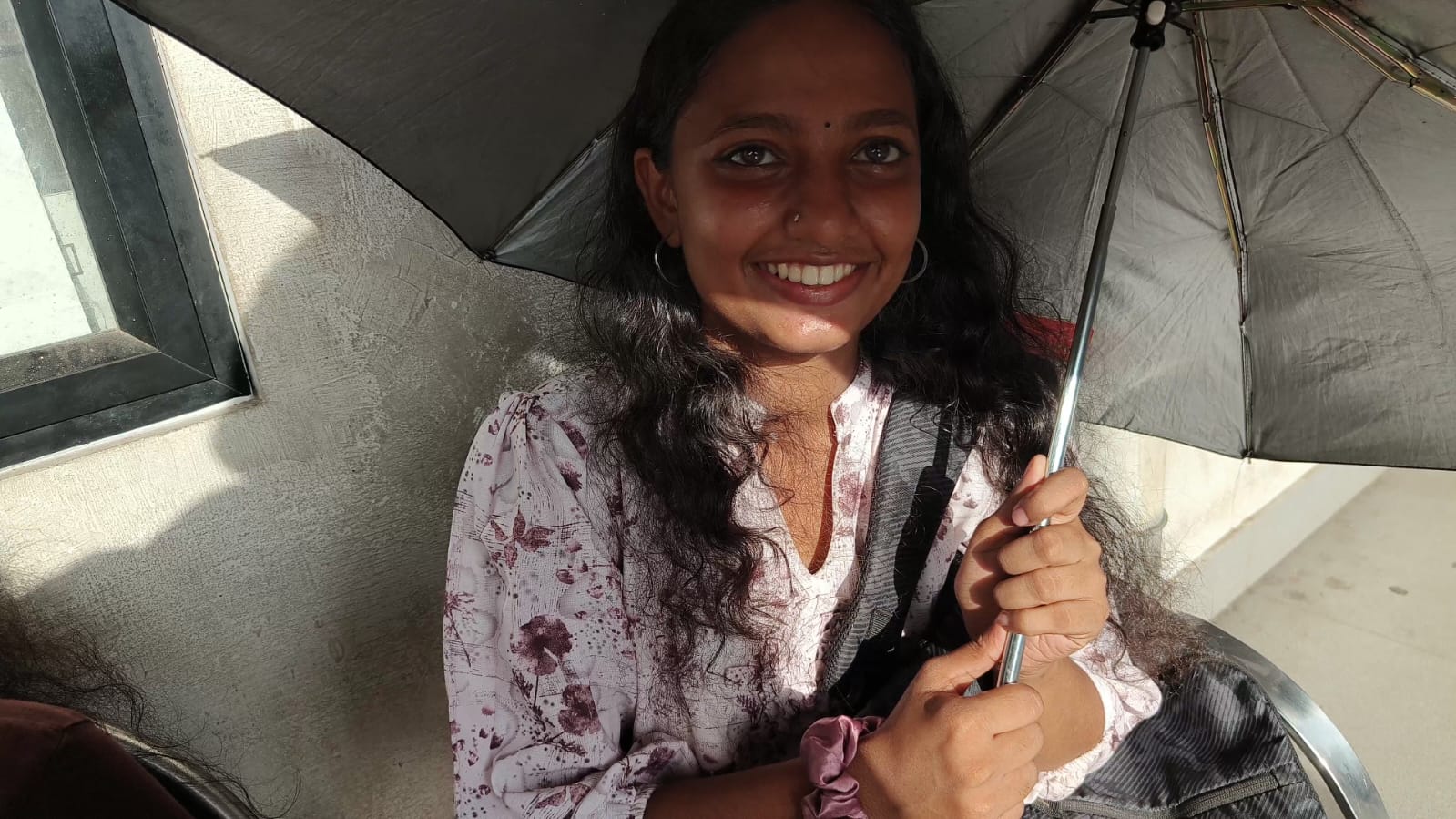
Sreeranjini.
While most discussions centred on economics, some young commuters raised questions about the scheme’s design.
Sreeranjini, a student of UC College in Aluva, believes the initiative should also be examined through the lens of equality.
“Limiting it only to women is not entirely welcoming,” she said.
She acknowledged the intent behind the scheme but questioned how the government would absorb the resulting financial burden.
Her comments reflect a debate that has surfaced in several welfare programmes — whether targeted benefits are the most effective route or whether broader, more inclusive models should be considered.
As women increasingly opt for Priyadarshini services, concerns are emerging about overcrowding.
Anandavally Amma fears that ordinary services may become more crowded than before.
“If more people shift to these buses, travel time could increase, and services could become congested,” she said.
Similar concerns were voiced by groups of women commuters who felt that the current rush may not necessarily represent long-term demand.
“What we are seeing now could be the enthusiasm surrounding the launch. Once the excitement settles, the real picture will emerge,” one group observed.
They suggested that a clearer assessment would be possible only after several weeks of operation.
The changing composition of passengers has not gone unnoticed.
T Vellappan Nair, a senior citizen and writer, recounted his experience aboard an ordinary service shortly after the scheme’s launch.
“When I boarded the bus, almost everyone was a woman. There were only seven men,” he said.
According to him, ordinary buses are gradually beginning to resemble women-only services.
“In such a situation, the government may even have to think about introducing buses exclusively for men,” he remarked, partly in jest.
His larger concern was about parity.
“Imagine paying for a ticket and then having to stand because all the seats are occupied by passengers travelling free of cost. That feeling of parity is missing,” he said.
His comments reveal a sentiment that could become more prominent if passenger patterns continue to shift significantly.
The impact of the scheme is being felt not just by passengers but also by transport workers.
A conductor attached to the Aluva KSRTC depot said the workload has increased considerably since the introduction of Priyadarshini.
According to him, conductors are now required to maintain detailed data regarding women passengers availing the benefit.
“The number of women passengers has increased substantially. Many who earlier travelled in private buses are now choosing Priyadarshini services,” he said.
While the increased patronage is encouraging from a public transport perspective, the additional administrative burden has become a concern for operational staff.
Not everyone who supports the scheme can actually benefit from it.
Geetha, a resident of Thamalam, welcomed the initiative but pointed out a practical limitation.
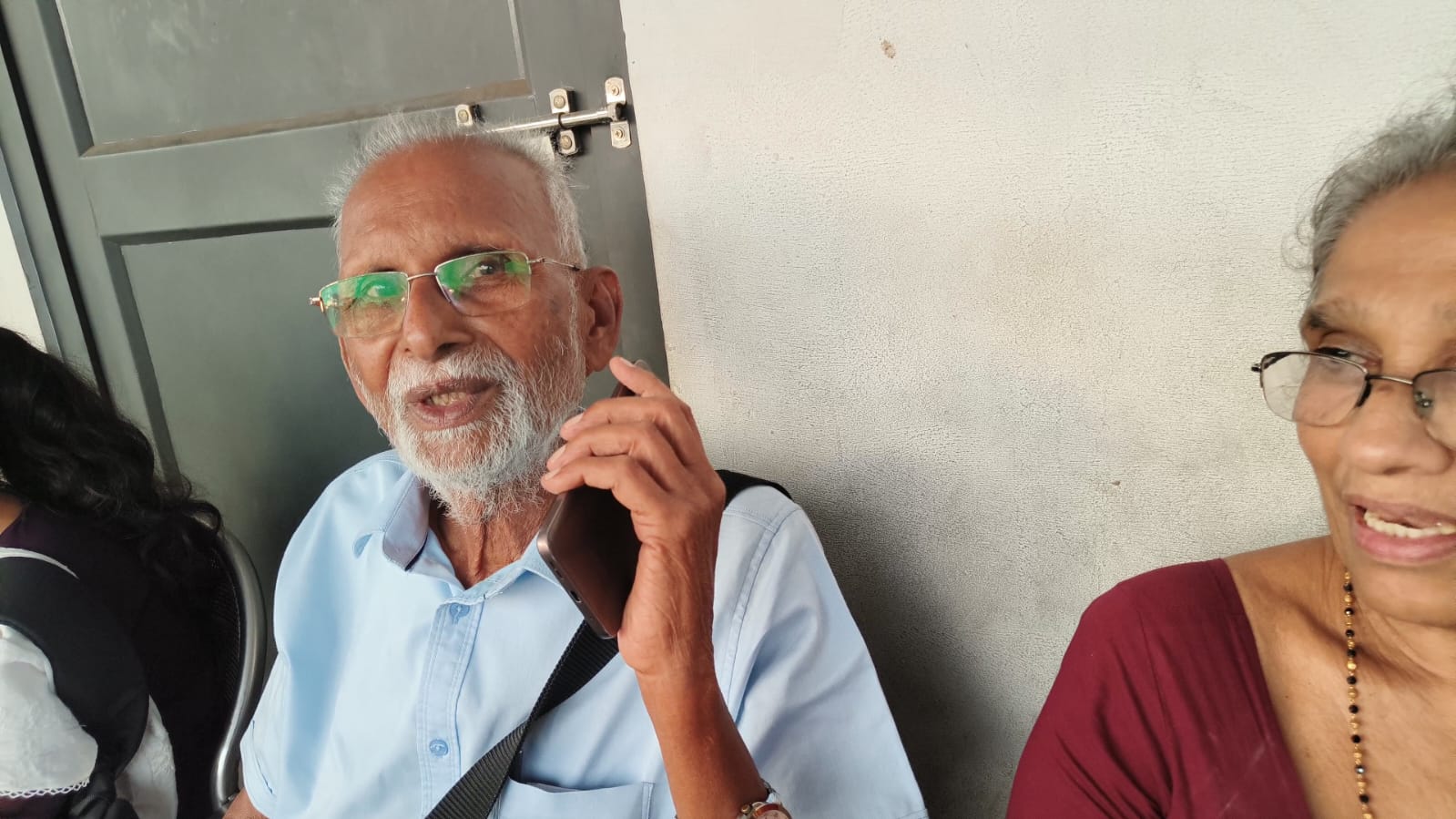
Kurian.
“There is no ordinary KSRTC service on my route that comes under the Priyadarshini scheme. The only KSRTC service available is a City Fast bus. Apart from that, we depend on private buses,” she said.
Her experience highlights a challenge facing the programme: Access remains uneven depending on the nature of local services and routes.
For students, homemakers, caregivers and daily commuters, the scheme promises tangible savings and greater freedom of movement. For many women, especially those travelling regularly for healthcare, education or work, even small reductions in expenditure can have a meaningful impact.
At the same time, questions remain about financial sustainability, overcrowding, universal eligibility and the burden on KSRTC’s already fragile finances.
Senior citizen Kurian perhaps summed up the prevailing mood best.
“It is a useful scheme. But its continuation will depend on the steps taken by the government. It may run successfully. We have examples from other states,” he said.
As Priyadarshini begins its journey across Kerala, commuters appear united on one point: the scheme has the potential to transform mobility for women.
Whether it becomes a long-term success story, however, will depend on how effectively the government balances social welfare with financial realities.
(Edited by Muhammed Fazil.)



