

Published Jul 18, 2026 | 5:31 PM ⚊ Updated Jul 18, 2026 | 10:14 PM

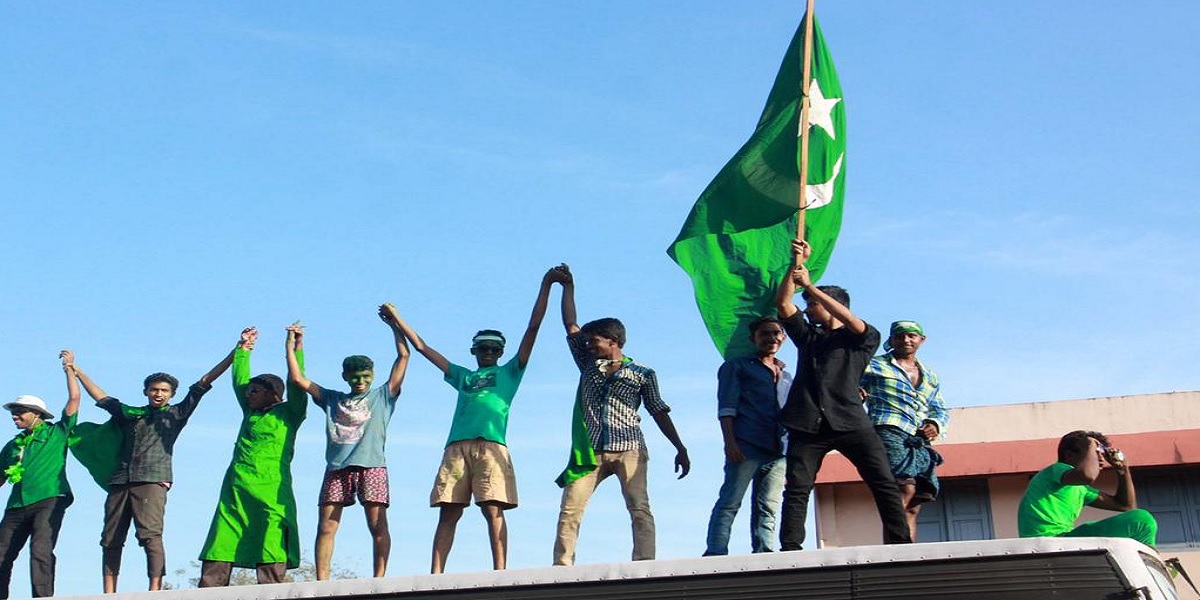
Party workers are dissatisfied by the functioning of IUML ministers.

Known for its organisational discipline and internal cohesion, the Indian Union Muslim League (IUML), which has 15 MLAs and five ministerial berths in the UDF government, has long been the party that stepped in to resolve crises within the Congress and the UDF.
But for the first time since assuming power, visible cracks have begun to emerge within the party itself.
Sensing growing discontent before it widened further, the Panakkad leadership on Friday, 17 July, convened what was officially described as a tea meeting.
However, party sources said the gathering was far more than a courtesy call, with senior leaders using the occasion to address mounting criticism against IUML ministers from MLAs, district leaders and cadres.
The meeting, held after 9 am at Panakkad, was attended by ministers PK Kunhalikutty, N Shamsuddin, KM Shaji, PK Basheer and VE Abdul Gafoor.
According to sources, the discussions focused on controversial personal staff appointments, key policy decisions and what many within the organisation perceive as an increasing disconnect between ministers and the party.
A major grievance relates to personal staff appointments.
District and local committees had reportedly submitted lists of around 30 names, while the party leadership had suggested that at least 15 of them be accommodated. However, ministers are said to have made appointments largely based on personal preferences, leaving many party workers feeling ignored despite years of organisational work.
The resentment is particularly strong in Kozhikode, Wayanad and Kasaragod, traditional IUML strongholds.
Many cadres believe that while the party’s electoral strength lies in northern Kerala, most influential staff positions have gone to people from southern districts such as Thiruvananthapuram and Kollam.
Ministers reportedly justified these appointments by citing the convenience of having staff based near the Secretariat and Assembly in Thiruvananthapuram.
Several party workers have even remarked that Congress has treated IUML cadres better than IUML’s own ministers.
Another criticism is the perceived lack of coordination among the ministers.
Sections within the party believe that after coming to power, some ministers have become increasingly independent and are no longer functioning in close consultation with the party leadership. Similar concerns have also been raised by the Youth League and the Muslim Students Federation (MSF), which have accused ministers of taking unilateral decisions.
Policy issues also figured prominently in Friday’s discussions.
The government’s stand on the PM SHRI scheme and tax exemptions under the revised liquor policy has generated considerable unease within sections of the party. Sources said the leadership decided to continue supporting the government’s position on the PM SHRI scheme, citing legal complications in withdrawing from the agreement at this stage.
However, no final consensus was reached on the revised liquor policy, particularly the tax exemptions for low-alcohol beverages, and further discussions are expected.
Although senior IUML leaders maintained that Friday’s gathering had no formal agenda, sources said several important decisions were taken to address the growing dissatisfaction.
Whether the Panakkad leadership’s tea meeting succeeds in cooling tempers or merely postpones a larger confrontation may become clearer after the party’s follow-up meetings.
For a party that has traditionally acted as the UDF’s internal troubleshooter, IUML now finds itself grappling with its own organisational unrest.



