

Published Dec 24, 2025 | 2:46 PM ⚊ Updated Dec 24, 2025 | 2:46 PM

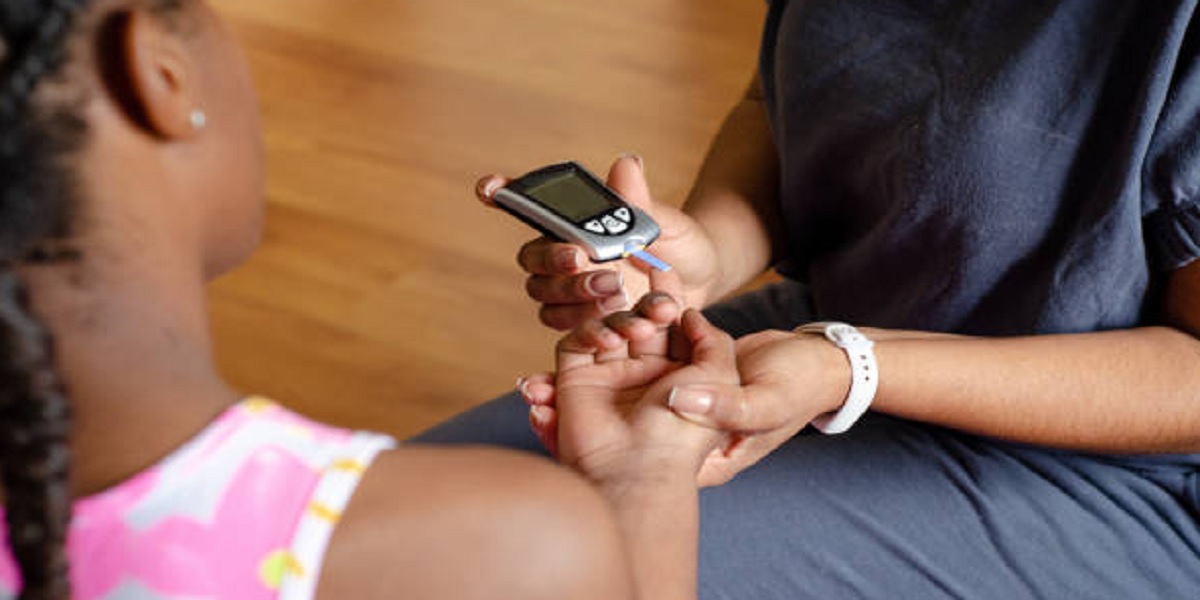
Highlighting existing precedents, the Commission pointed out that the Kerala government was already granting Class X and Plus Two students with Type 1 diabetes an extra 20 minute
Synopsis: Emphasising the need for equality, dignity, and fairness in education, the Commission has urged CBSE to urgently consider granting additional time for students with Type 1 diabetes during examinations, a provision already available to such students under the Kerala state syllabus.
In a bid to safeguard the academic rights and well-being of students with chronic medical conditions, the Kerala State Human Rights Commission (KSHRC) has stepped in to address concerns raised by class 10 and 12 CBSE students living with Type 1 diabetes.
The move comes amid growing demands for inclusive examination policies, recognising the unique challenges faced by students who require regular medical monitoring during long examination hours.
Emphasising the need for equality, dignity, and fairness in education, the Commission has urged the Central Board of Secondary Education (CBSE) to urgently consider granting additional time during examinations, a provision already available to such students under the Kerala state syllabus.
The Commission’s Chairperson, Justice Alexander Thomas, who had issued the directive, asked the CBSE Secretary and the Board’s Kerala Regional Director to examine the matter and implement their decision expeditiously.
The Commission observed that refusing extra time to students managing Type 1 diabetes could violate their constitutional right to equality and cautioned that continuing the practice might conflict with the law.
Highlighting existing precedents, the Commission pointed out that the Kerala government has already granted students with Type 1 diabetes an extra 20 minutes for every hour of Class 10 and Plus Two examinations.
This accommodation has recently been extended to candidates pursuing Vocational Higher Secondary Education (VHSE) as well, reinforcing the case for similar measures under the CBSE system.
The intervention followed a complaint by Bushra Shihab, an office-bearer of the Type 1 Diabetes Foundation.
Acting on the Commission’s direction, she has been asked to submit a formal application to the CBSE Secretary.
Once the application is received, the CBSE has been instructed to obtain expert medical opinions from institutions such as the AIIMS and share the recommendations with the complainant.
The Commission further directed the CBSE to hear the complainant through video conferencing and arrive at a final decision within two months.
Emphasising that children have the right to live and learn with dignity, the Commission insisted that any decision taken should be communicated to the KSHRC, underscoring the importance of protecting the rights and well-being of students with chronic medical conditions.
Launched in 2018 by the Kerala government under the State Social Security Mission, Project Mittayi (sweet) was designed to support children with Type 1 diabetes from low-income families.

Project Mittayi was designed to support children with Type 1 diabetes from poor families.
The community-based initiative aimed to provide modern pen insulin, glucose monitoring, medical follow-up, and nutrition guidance through dedicated Mittayi clinics, reducing both physical pain and financial burden for affected families.
Currently, around 2,000 children below 18 years, from families earning less than ₹2 lakh annually, are covered under the scheme. The state has over 5,000 children living with Type 1 diabetes.
However, the project has recently run into serious hurdles.
Since 1 June, rapid-acting insulin — crucial for managing blood sugar before meals — has become unavailable in Mittayi and through Karunya pharmacies. Children are now being provided only slow-acting insulin, which takes much longer to work and requires injections 45 minutes or more before meals.
For schoolchildren, this has created chaos. Younger children need parental visits to administer insulin, while older children inject themselves, sometimes during class hours.
Delayed meals, poor sugar control, and emotional distress have become common.
Parents have reported frequent hypoglycaemic episodes, including dizziness, trembling, mood swings, and even seizures.
To cope with emergencies, children carry glucose powder, honey, or juice in their schoolbags. Many families, despite financial hardship, are forced to buy rapid-acting insulin from the open market, spending nearly ₹10,000 a month.
In Kasaragod district, 126 children are undergoing treatment for Type 1 diabetes. Some families have more than one affected child. The situation is worsened by the absence of an endocrinology department and a shortage of specialists, forcing families to seek care in other districts.
Parents approached District Collector K Inbasekar a few months ago, demanding immediate restoration of rapid-acting insulin and the establishment of an endocrinology department at the district hospital.
Medical experts cautioned that replacing rapid-acting insulin with slower alternatives could lead to long-term complications and poor disease management, nullifying the objective of Project Mittayi — to ensure a safe, dignified childhood for children with Type 1 diabetes.
(Edited by Majnu Babu).


