

Published Jul 29, 2026 | 1:22 PM ⚊ Updated Jul 29, 2026 | 1:29 PM

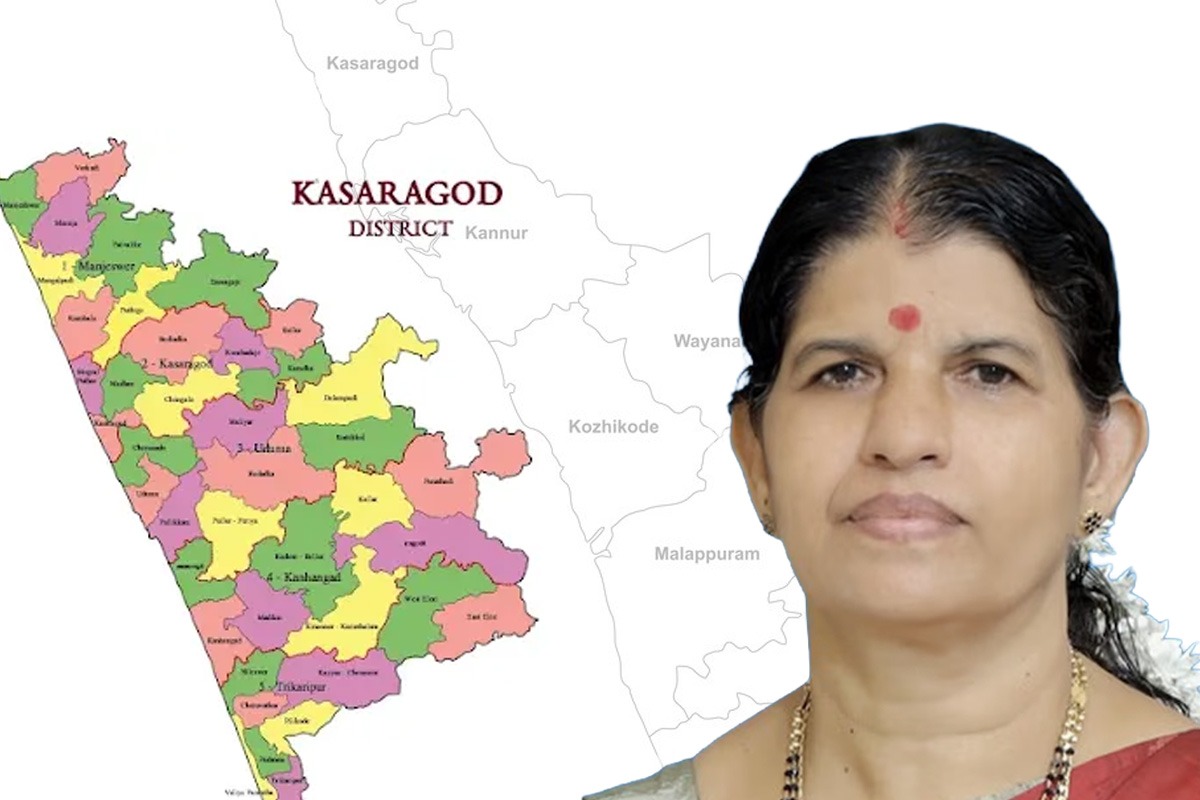
Yashoda's death has led to seven people who had come in contact being screened and monitored. (Special Arrangement)

Synopsis: Kerala has strengthened surveillance after a 56-year-old woman died of H1N1 influenza in Kanhagad. People with symptoms of fever, cough, sore throat or breathing difficulty have been told to wear masks and alert doctors.
A 56-year-old woman from Ajanur in Kasaragod district has died after contracting H1N1 influenza, or swine flu, prompting the Kerala Health Department to strengthen surveillance and preventive measures in the area.
The deceased, Yashoda, wife of Karunakaran of Manikoth in Ajanur, Kanhangad, died on July 27 while undergoing treatment at a private hospital in Mangaluru.
She had been receiving treatment for fever and related health complications.
Yashoda was first admitted to a private hospital in Kasaragod. As her condition deteriorated, she was shifted to a speciality hospital in Mangaluru, where she later succumbed to the illness.
The Health Department officially confirmed on July 28 that her death was caused by H1N1 influenza and intensified precautionary measures in the locality.
Samples were collected from seven people who had come into close contact with Yashoda and sent for laboratory testing. Officials said all of them are under medical observation as part of contact surveillance.
The department has appealed to the public not to ignore symptoms such as fever, cough, sore throat or breathing difficulty and to seek treatment at the nearest government health facility without delay.
Since H1N1 typically presents with influenza-like symptoms, people with respiratory complaints have been urged to seek timely medical attention.
Health officials have also advised those with symptoms to wear masks in public places, avoid unnecessary contact with others, wash their hands frequently with soap and water, and cover their mouth and nose with a tissue or cloth while coughing or sneezing.
Officials said surveillance has been stepped up in the area to detect any further spread of the infection at the earliest.
Swine flu is contagious, and infected persons can pass it on a day before symptoms begin and possibly up to seven days after the illness is identified. Younger children can spread the virus for a longer period.
Varying in severity from mild to severe, it initially occurred in people with direct exposure to pigs. But human-to-human spread-primarily through respiratory droplets and close contact with infected people-has caused the biggest outbreaks.
The first big outbreak in India came during the June 2009 to August 2010 global swine flu pandemic, when close to 50,000 people were found to be infected in India, and more than 2,700 lost their lives. Close to 1.7 lakh people were tested. Western and southern India were the worst hit.
There was another equally bad H1N1 outbreak in 2015, where over 45000 people were found to be infected, and close to 3000 people died. The highest deaths were reported in Maharashtra, which saw 905 people succumb to the disease. Among southern states, Karnataka saw 94 people lose their lives.
(With inputs from Dileep V Kumar. Edited by R Rajesh Kumar.)



