

Published Mar 28, 2026 | 3:47 PM ⚊ Updated Mar 28, 2026 | 3:47 PM

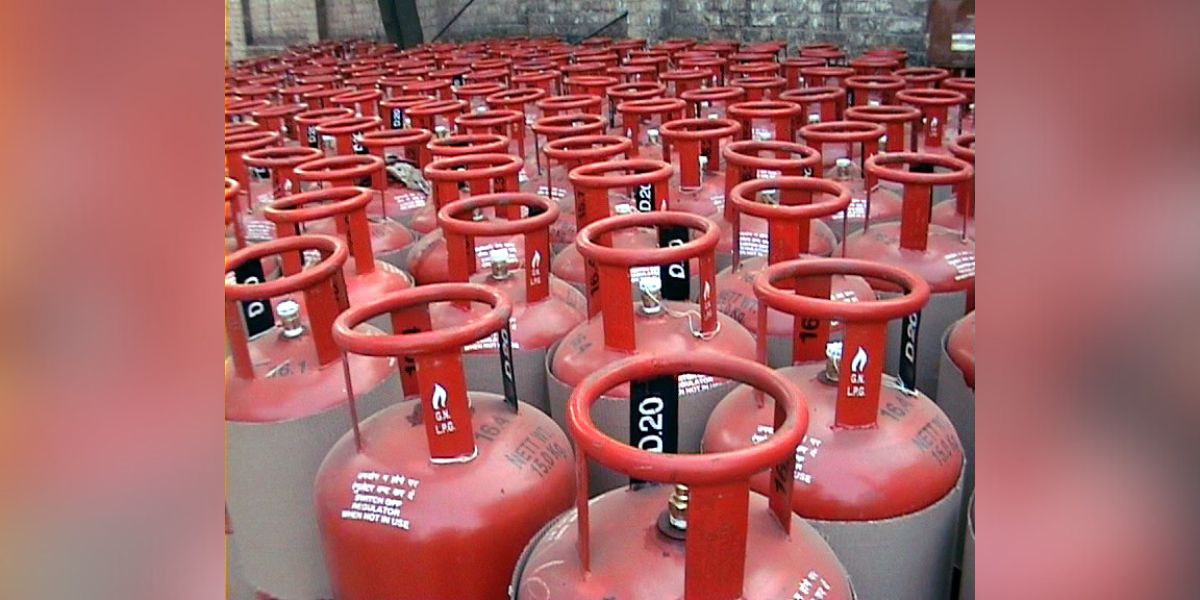
LPG cylinders. (Creative Commons)
Synopsis: The broader message from the Secretariat is one of preparedness: Kerala is moving to ensure that any emerging supply stress is identified early, managed centrally and resolved quickly before it affects households. With round-the-clock oversight, district-level escalation channels and direct coordination with oil companies, the state appears to be building a tightly monitored system designed to keep LPG flowing without interruption.
In a major administrative step aimed at ensuring uninterrupted cooking gas supply across the state, the Kerala government has expanded its existing Civil Supplies War Room into a round-the-clock 24×7 LPG War Room, putting in place an elaborate monitoring and coordination mechanism at both the state and district levels.
The order, issued on Monday, 23 March by Chief Secretary A. Jayathilak, comes amid the government’s push to prevent any disruption in LPG availability, distribution and doorstep delivery to consumers, while also tightening oversight against hoarding, diversion and black marketing.
The newly expanded State-level War Room will function from the South Conference Room at the Government Secretariat, and will operate on a three-shift basis — 8 am to 4 pm, 4 pm to midnight, and midnight to 8 am — ensuring continuous supervision through the day and night.
A team of senior IAS officers has been assigned to head the facility in rotation, with two officers manning each shift at a time.
The officers include Mohd Shafiq, Sachin Kumar Yadav, Sandip Kumar, Arun S. Nair, Sufiyan Ahmed, Safna Nazarudeen, Meera K., Mithun Premraj, Apurva Tripathi and Ranjith D.
The move signals the government’s intent to treat LPG supply management as a high-priority operational issue, especially in the context of public demand, supply chain vulnerabilities and the need for quick intervention in case of local shortages.
The order lays out a multi-layered monitoring structure, dividing responsibilities into dedicated verticals covering LPG, PNG/CNG, market surveillance, supply chain management and regulation.
The LPG vertical has been tasked with end-to-end oversight of stock position, refill bookings, delivery pendency and district-wise demand trends.
This unit will work closely with oil marketing companies — IOC, BPCL and HPCL — to track cylinder filling, dispatch schedules and replenishment timelines, while ensuring priority supply to essential institutions and vulnerable areas.
Alongside this, the PNG/CNG vertical will focus on expanding gas-based alternatives, particularly for commercial consumers, and facilitating the transition of high-consumption establishments from LPG to piped gas systems.
A separate Market Surveillance unit will monitor pricing trends, consumer access and public sentiment, including developments on social media, to identify panic booking, demand surges or artificial scarcity before they escalate.
The Supply Chain Management vertical has been entrusted with overseeing stock levels at bottling plants, truck movement, dispatch turnaround time and route bottlenecks.
Representatives from departments including Home, Health, Public Works, Power and Local Self Government will be part of this coordination effort.
On the enforcement side, the Regulation vertical will focus on inspections, prevention of black marketing, action against hoarding and diversion, and monitoring complaints related to overcharging and underweight cylinders under the Legal Metrology framework.
Importantly, the government has also directed the formation of District-Level LPG War Rooms mirroring the State structure, creating a decentralised field-response mechanism.
These district units will work directly with collectors, local authorities, distributors and enforcement agencies to address shortages and service issues on the ground.
The order mandates two daily review meetings at 10 am and 6 pm, during which officials will assess stock positions, bottling capacity, district allocation, refill backlog and consumer complaints.
The War Room has also been tasked with maintaining a real-time dashboard on stock, dispatch, booking pendency and grievance status, enabling faster decision-making and escalation.
The broader message from the Secretariat is one of preparedness: Kerala is moving to ensure that any emerging supply stress is identified early, managed centrally and resolved quickly before it affects households.
With round-the-clock oversight, district-level escalation channels and direct coordination with oil companies, the state appears to be building a tightly monitored system designed to keep LPG flowing without interruption.
(With inputs from Dileep V Kumar)


