


Published Jan 28, 2026 | 4:23 PM ⚊ Updated Jan 28, 2026 | 4:25 PM

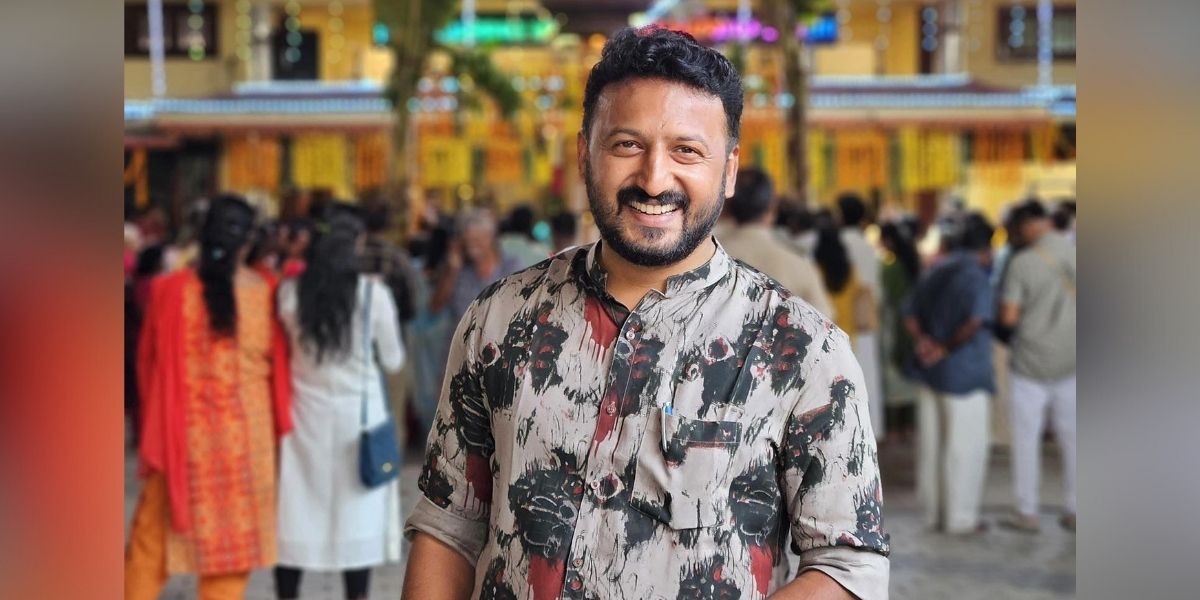
Rahul Mamkootathil.
Synopsis: The court observed that the survivor woman’s signature was not obtained in the manner mandated under Section 173(1)(i) of the Bharatiya Nyaya Sanhita. The judge raised doubts over how the signed document was procured and whether a legally valid FIR had been registered at all. The court also found fault with the police for failing to clearly communicate the grounds of arrest to the accused, as required under Section 47 of the BNSS.
The Pathanamthitta District and Sessions Court on Wednesday, 28 January, granted bail to Palakkad MLA Rahul Mamkootathil in the third sexual assault case registered against him.
While granting him bail, the court cited procedural lapses by the police and the lack of necessity for continued custodial detention.
Rahul, who has been in judicial custody at the Mavelikkara Special Sub-Jail since 11 January, is expected to walk out later on Wednesday after completing bail formalities.
The legislator was arrested in a dramatic midnight police operation at a hotel in Palakkad, triggering intense political and legal scrutiny.
Passing the bail order, Principal District and Sessions Judge N Harikumar noted serious deficiencies in the manner in which the First Information Statement (FIS) was recorded.
The complainant, an NRI woman currently residing in Canada, had given her statement through a Zoom call on 8 January.
However, the court observed that her signature was not obtained in the manner mandated under Section 173(1)(i) of the Bharatiya Nyaya Sanhita (BNSS).
The judge raised doubts over how the signed document was procured and whether a legally valid FIR had been registered at all.
The court also found fault with the police for failing to clearly communicate the grounds of arrest to the accused, as required under Section 47 of the BNSS.
“These procedural shortcomings cast a shadow on the regularity of the arrest and cannot be ignored while considering bail,” the order noted.
During the hearing, the defence maintained that the relationship between Rahul and the complainant was consensual and alleged political motivation behind the cases. It was also highlighted that key investigative steps — including a confidential statement and medical examination — are yet to be completed.
The prosecution opposed bail, arguing that the accused had not cooperated with the probe and had attempted to evade arrest. It also questioned the authenticity of certain digital evidence produced by the defence, prompting the court to reserve its verdict earlier.
The survivor woman alleged that Rahul had raped her after promising marriage. She claimed that she was forced to undergo an abortion and was humiliated after informing him about her pregnancy.
The complainant further alleged that the MLA threatened her family members, physically assaulted her, and took a large amount of money from her, which was allegedly used to buy costly watches, footwear and beauty products.
A DNA test of the foetus was conducted to establish paternity, she claimed.
Granting bail, the court imposed strict conditions, including execution of a ₹50,000 bond and a categorical direction prohibiting Rahul from influencing, intimidating, or contacting the survivor or witnesses, either directly or through social media.
The court observed that since the complainant is abroad and the alleged offence occurred in a hotel room with no independent witnesses, fears of witness intimidation were largely speculative.
It further ruled out the possibility of Rahul absconding, noting his status as a sitting MLA.
Rahul currently faces three rape cases filed by three different women.
While he has secured anticipatory bail in the second case, the Kerala High Court is scheduled to hear his anticipatory bail plea in the first rape case later on Wednesday. The matter will be considered by a Bench headed by Justice Kausar Edappagath.
Rahul, who won the Assembly byelection as a Congress candidate, was suspended from the party following the allegation against him was raised.
(Edited by Majnu Babu).


