

Published Jul 21, 2026 | 9:46 AM ⚊ Updated Jul 21, 2026 | 9:46 AM

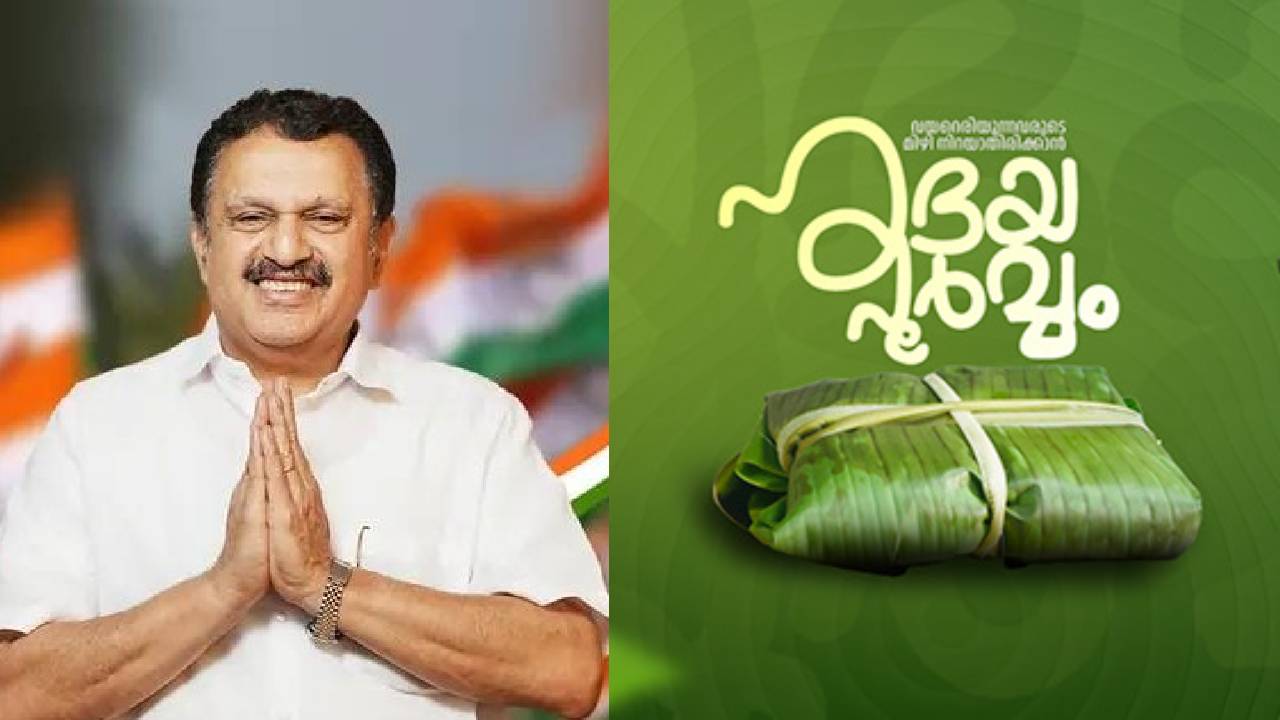
Health Minister K Muraleedharan stirred a controversy with his comment on free mid-day meal for patients and caregivers in govt hospitals.

If there is an award for turning a routine welfare programme into a political argument in Kerala in just 72 hours, Health Minister K Muraleedharan would have earned a nomination.
What began as an off-the-cuff announcement on 18 July quickly snowballed into a full-fledged political storm.
By the time the dust settled—if it has settled at all—the Minister had clarified his remarks, narrowed their scope, and blamed the media for blowing them out of proportion.
He also hinted at vested interests in the private healthcare sector at play and, in the process, handed almost every political party in the Opposition an opportunity to occupy the moral high ground.
The controversy erupted after Muraleedharan said political parties and their affiliated organisations would no longer be allowed to conduct welfare activities inside government hospitals under their own banners or flags.
He argued that hospitals belonged to the Health Department, not political organisations, and that charitable activities should not become a platform for publicity.
The Minister also announced plans to establish community kitchens in government hospitals with support from voluntary organisations. Once these kitchens became operational, he said, organisations such as the DYFI and Seva Bharati would no longer distribute food inside hospital premises.
That single announcement stirred a hornet’s nest, largely because of the DYFI’s free meal programme, which has become a familiar presence in government hospitals across Kerala.
Launched in 2017, the initiative now claims to distribute more than 40,000 food packets daily in nearly 60 hospitals, providing crucial support to patients and their caregivers.
The CPI(M) accused the Minister of targeting a humanitarian initiative that had been functioning successfully for years. DYFI leaders questioned why an existing welfare programme should be curtailed before the government had established an alternative.
Facing mounting criticism, the Minister’s office issued a clarification the next day, saying his remarks had been misunderstood.
It maintained that the proposed restrictions were intended only for the Government Medical College Hospital in Alappuzha, where some organisations had allegedly occupied hospital land in the guise of distributing food.
The government, it said, had no objection to free food distribution and remained committed to ensuring that poor patients continued to receive meals.
Also Read: Nipah exposes vital missing link in Kerala’s coordination efforts
On Monday, 20 July, Muraleedharan offered a fresh explanation, blaming sections of the media for portraying a local issue as a statewide policy.
He also introduced a new dimension to the debate, alleging that vested interests linked to private diagnostic laboratories were attempting to discredit him.
The Minister said despite adequate laboratory facilities at Alappuzha Medical College Hospital, patients had routinely been referred to nearby private laboratories. The government’s decision to strengthen in-house laboratory services by procuring reagents had allegedly affected those benefiting from the existing arrangement.
Muraleedharan insisted that his objection was never to food distribution itself but to organisations occupying hospital land, putting up oversized banners and claiming public spaces.
He said the restrictions applied only to Alappuzha Medical College Hospital following discussions involving hospital authorities and elected representatives.
It was a dramatic shift in narrative.
He also alleged that Seva Bharati (right-wing associated organisation) workers had obstructed work related to the hospital’s critical care unit by insisting on retaining the space used for food distribution.
Community kitchens, he said, would first be introduced in Alappuzha, with similar facilities elsewhere depending on local requirements.
The Minister further observed—with more than a hint of political irritation—that both the BJP and the CPI(M) had strangely echoed each other’s criticism because of what he described as their respective vested interests. If similar complaints surfaced elsewhere, the government would examine them too, he added.
The proposed community kitchen would first begin at Alappuzha Medical College Hospital, while similar facilities elsewhere would depend on necessity.
His critics remained unconvinced.
DYFI state president V Vaseef said volunteers served food without considering anyone’s political affiliation and welcomed community kitchens, provided food distribution to patients and caregivers continued uninterrupted. State secretary VK Sanoj maintained that the organisation’s lunch programme would continue.
Leader of the Opposition Pinarayi Vijayan accused the UDF government of rushing to halt a widely appreciated humanitarian initiative before putting an alternative system in place. Food distribution, he argued, had transcended party affiliations, caste and religion, making the government’s intervention appear both unnecessary and insensitive.
The BJP, too, found itself questioning the Minister. The party’s senior leader K Surendran argued that free meals should never become casualties of political rivalry. While expressing doubts about the government’s proposed community kitchen model, he maintained that humanitarian service deserved encouragement rather than suspicion.
For a controversy that began with lunch, it certainly gave Kerala plenty to chew over.



