


Published Feb 15, 2026 | 9:00 AM ⚊ Updated Feb 15, 2026 | 9:00 AM

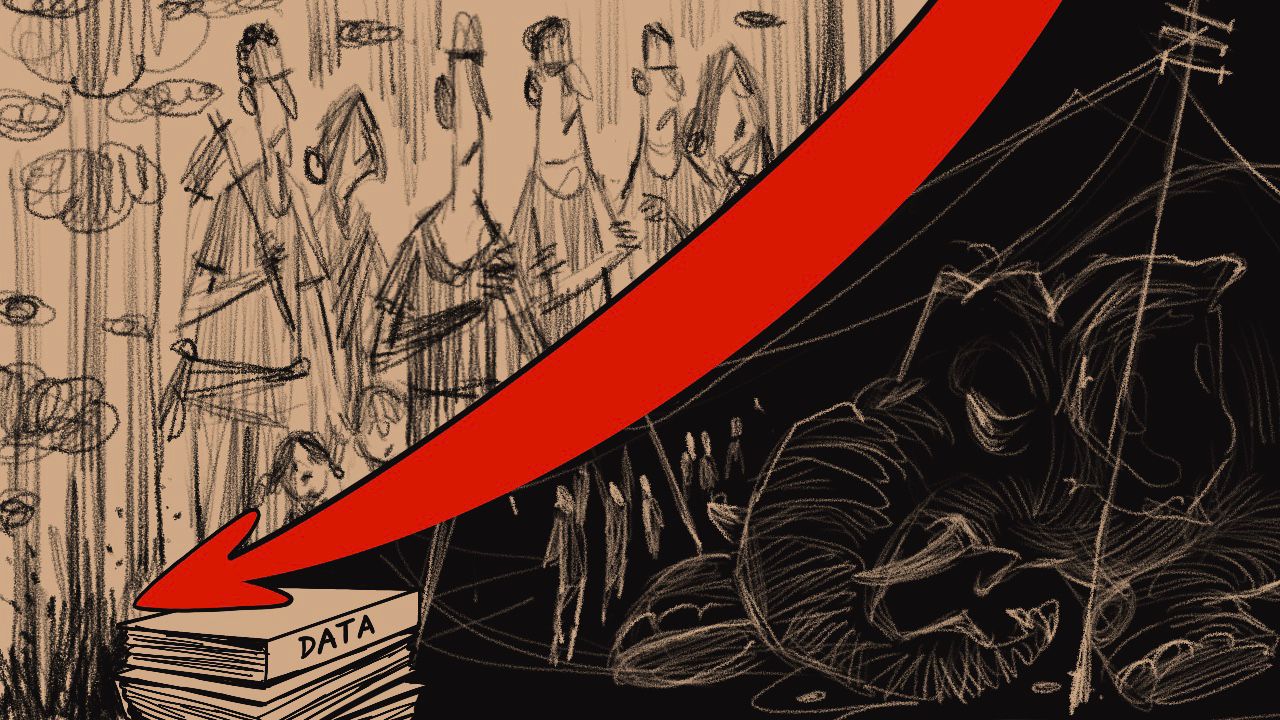
Kerala has about 16,000 km of forest boundary, of which 4,000 km is classified as conflict-prone. Nearly 1,000 habitations lie inside forest regions.
Synopsis: Kerala recorded the lowest fatalities from human–wildlife conflict in 2025–26 since 2016–17, according to Forest Department data. Officials attributed the drop to awareness drives and preventive steps, but farmer groups and tribal leaders have questioned the figures. The state’s new limits on wild boar shooting have also drawn criticism.
Kerala recorded 43 fatalities from human–wildlife conflict in 2025–26, with 47 days left in the financial year, the lowest figure since 2016–17, when 144 deaths were reported, according to Forest Department data. The highest toll in the past decade was 147 in 2018–19.
The sharpest fall was in snakebite deaths, followed by elephant-related deaths and attacks by wild boars and tigers.
Department officials said the decline was due to improved public awareness and targeted measures.
“Our target is zero deaths. Around 80 percent of elephant attack victims were inside forests, mostly from tribal communities. We are strengthening awareness programmes in tribal settlements and exploring voluntary relocation from extreme conflict zones,” Chief Wildlife Warden Pramod G Krishnan said.
“Most tiger-related deaths occurred inside forests, while all wild boar-related deaths were reported outside forest areas.”
Farmer organisations and tribal leaders, however, contradicted the department’s numbers. “According to our records, 35 people died in elephant attacks in 2025 alone,” Kerala Independent Farmers Association chairman Alex Ozhukayil told South First.
Kerala recorded 18 snakebite deaths in 2025–26, as of 7 February, down from 119 in 2016–17.

Radha (45), aunt of cricketer Minnu Mani, who was killed in a tiger attack in Wayanad on January 24, 2025.
The fall follows improved public awareness and the use of the SARPA (Snake Awareness, Rescue and Protection App) mobile application, according to the Forest Department. Snakebite deaths were 34 in both 2023–24 and 2024–25, while 2018–19 was the decade’s peak, with 123 deaths.
In October 2025, the state declared snakebite a notifiable disease under the Kerala Public Health Act, 2023, nearly six years after 10-year-old Shahla Sherin died from a venomous bite in her classroom.
“Snakebites mostly happen outside forest areas, but they are counted as human–wildlife conflict cases because compensation is paid by the Forest Department,” a Forest Department official told South First.
Elephant-related deaths fell from 23 in 2016–17 to 18 in 2025–26. The worst year was 2021–22, with 35 fatalities. Officials credited solar fencing, early warning systems and closer habitat monitoring.
Wild boars, described as unpredictable in recent years, killed 11 people in each of the past two years, but the figure fell to four in 2025–26. The department linked the drop to intensified capture drives and preventive steps.
Tiger attacks were the lowest among the figures, but they have risen. Eleven deaths were reported over the past decade, with three in 2025–26 alone.
Alex Ozhukayil said snakebite deaths may have fallen, but deaths due to elephants and other animals remain serious. He said the gap between KIFA’s numbers and the Forest Department’s data was because the department uses the financial year (April–March), while KIFA uses the calendar year.
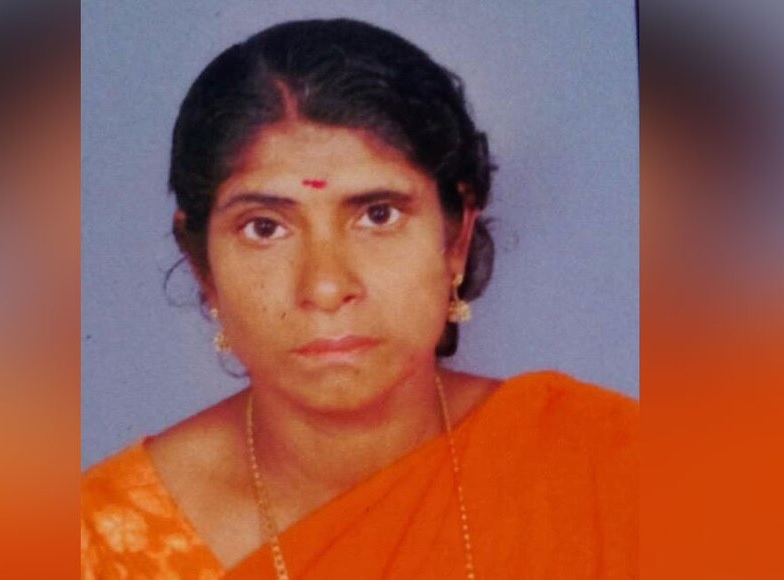
Police confirmed that Seetha (42) died in a wild elephant attack in Idukki on June 13, 2025, ruling out murder.
“That creates a six-month overlap. Even then, it is misleading to say deaths have come down sharply,” he said.
At the same time, the state has restricted the shooting of wild boars to licence holders authorised for crop protection and self-defence. Those with sporting licences are barred. The move followed a complaint by the Idukki District Collector that sporting licence holders were also being allowed to shoot boars.
“Before granting permission, the firearm licence category must be verified with the District Licensing Authority,” Additional Chief Secretary Minhaj Alam wrote in the order.
The order has angered many farmers.
“On paper, the numbers look better. But on the ground, people are still dying and crops are still being destroyed and farming is our only livelihood. A few months ago, the agriculture minister said people should be allowed to consume wild boar meat and that the issue could be solved easily. Now, we are being told to look for authorised shooters instead of nearby licence holders, forcing us to pay more,” Davis Kunjumon, a farmer from Idukki, told South First. “Wild boars won’t wait until an authorised person arrives. Why create so many complications?”
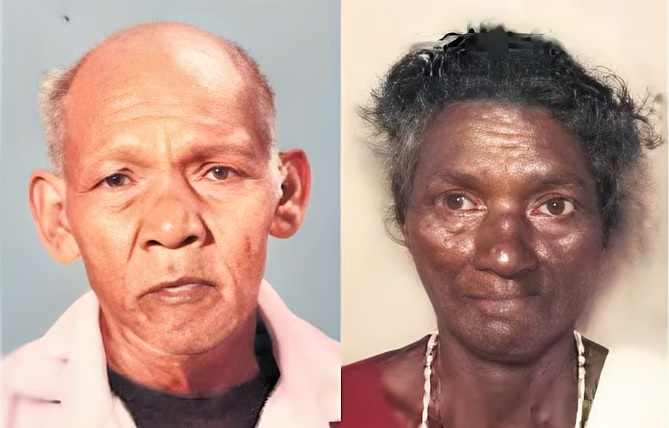
Tribal couple Velli (82) and Leela (74) were killed by a wild elephant on February 23, 2025, while collecting cashew nuts at Aralam Farm, Kannur
Mariyappan, a tribal leader from Palakkad, told South First that although the state’s tribal population is most affected by wildlife conflict, the process of getting compensation is often arduous.
“Tribal people are the ones most affected. Unless there is protest or media attention, even getting compensation is a herculean task, especially in accident cases where the victim survives. No one talks about how much we struggle with paperwork and red tape,” he said.
Kerala has about 16,000 km of forest boundary, of which 4,000 km is classified as conflict-prone. Nearly 1,000 habitations lie inside forest regions.
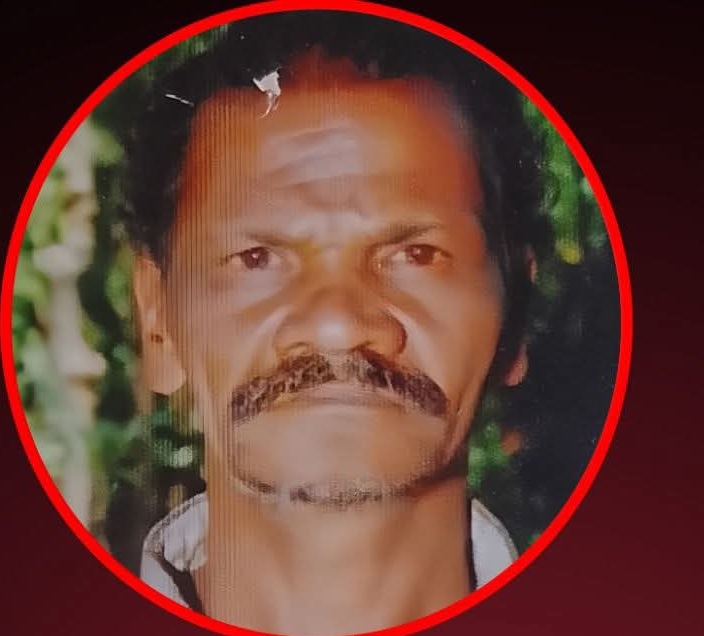
Maran(60) a tribal man was killed in a tiger attack while collecting firewood near the Kerala–Karnataka border in Wayanad on Dec 20, 2025
The department has identified 12 major conflict zones across the state, from Kannur to Thiruvananthapuram, categorised as high, medium and low risk.
In Aralam, Kannur, poor settlement planning has left villages between cashew plantations and forest areas, creating a chronic conflict pocket.
Wayanad, at the junction of three wildlife reserves, Bandipur Tiger Reserve to the north, Nagarhole National Park to the north-east and Mudumalai Tiger Reserve to the south-east, is a key tiger habitat and remains one of the most vulnerable districts.
Data presented by Chief Wildlife Warden Pramod G Krishnan showed that in 2024–25 there were 67 human fatalities: 34 from snakebites, 19 from elephant attacks, one each from wild pig and tiger, and the rest from gaur and other animals. Nearly 50 percent of these deaths were snakebites outside forest areas.
Of the 19 elephant deaths, 15 occurred inside forests and 13 victims were from tribal communities.

Sreedharan (70) and Adarsh (29) were killed in separate wild boar attacks in Kannur and Thiruvananthapuram in 2025.
Since 2011, Kerala has recorded 1,549 human deaths from wildlife conflict. Of these, 1,158, or around 75 percent, were due to snakebites. Fatalities fell from 145 in 2016–17 to 67 in 2024–25, which officials said shows a long-term decline.
At a meeting chaired by Chief Minister Pinarayi Vijayan on 11 February, the Kerala cabinet linked wildlife conflict to development planning. It approved the Hill Area Development Empowered Committee, chaired by the Chief Minister, with Agriculture Minister P Prasad and Forest Minister A K Saseendran as vice-chairpersons and Chief Secretary Dr A Jayathilak as convener.
Crop loss due to wildlife will be covered by insurance, and the panel will push value-added production in the Western Ghats instead of commodity-based farming. A zero-casualty approach using modern technology and habitat restoration is one of its core objectives, according to a press statement.
(Edited by Dese Gowda).


