

Published Dec 27, 2024 | 6:57 PM ⚊ Updated Dec 27, 2024 | 6:57 PM

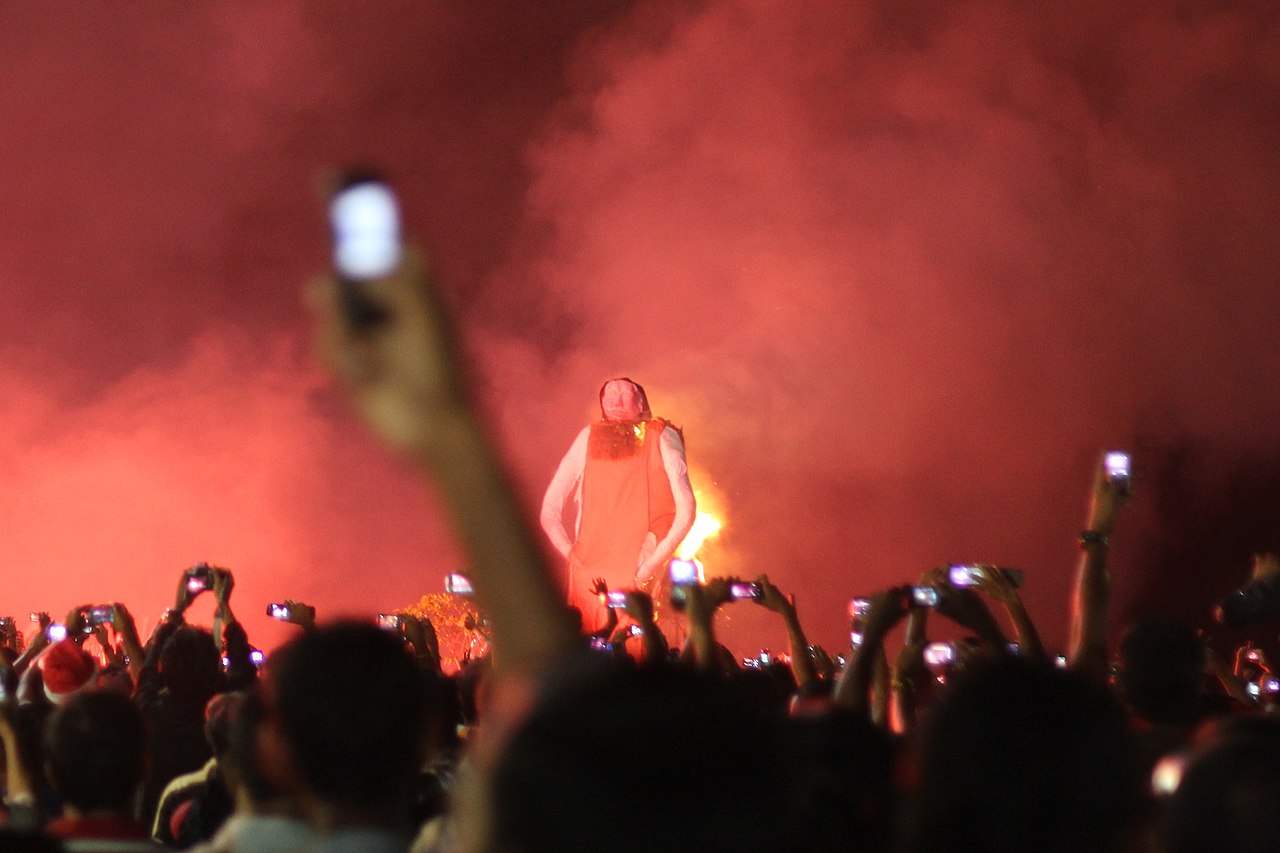
Setting Pappanji ablaze at Fort Kochi in 2011. (Wikimedia Commons)

The Kerala High Court on Friday, 27 December lifted a police-imposed ban on the traditional burning of Pappanji, a giant effigy, during New Year’s Eve celebrations at Veli Ground, Fort Kochi.
The event, a highlight of the iconic Cochin Carnival, draws thousands of visitors every 31 December.
The court permitted the effigy burning subject to certain conditions, including enhanced safety measures. Organisers were directed to ensure a minimum distance of 70 feet between the base of the effigy and the safety barricades.
The order was issued by Justice Harisankar V Menon in response to a petition filed by Gala de Fort Kochi, the club responsible for erecting this year’s 50-foot-tall effigy.
The club had challenged a police notice that flagged the burning at Veli Ground as a safety risk.
In the notice, the police expressed concerns over their ability to deploy adequate personnel at Veli Ground, which is located over two kilometres from Parade Ground — the main venue for the Pappanji burning. Pappanji is Portuguese for grandfather or old man.
The police noted that approximately 1,000 officers would be needed at Parade Ground, making it challenging to provide sufficient coverage at the secondary site.
The petitioners argued that they had obtained all necessary permissions and highlighted the historical significance of the tradition, which dates back to the 15th century and has been a key feature of the Cochin Carnival for decades.
(Edited by Dese Gowda)



