

Published Feb 24, 2026 | 8:00 AM ⚊ Updated Feb 24, 2026 | 8:00 AM

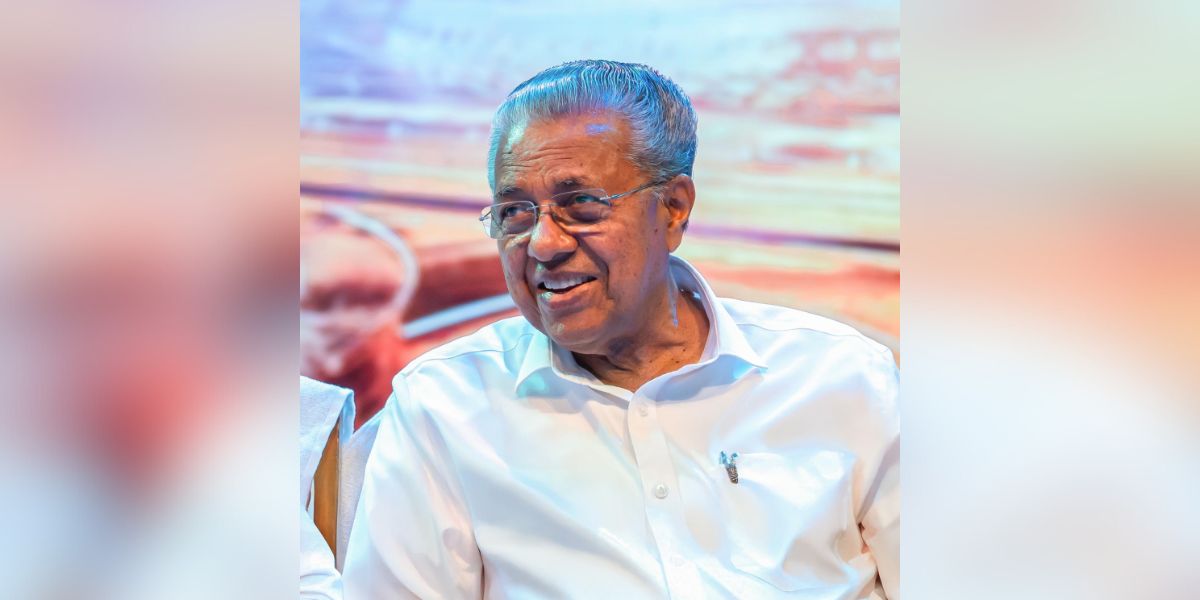
Kerala Chief Minister Pinarayi Vijayan.
Synopsis: The Chief Minister’s Office in Kerala is facing allegations of misusing government employees’ personal data to send personalised WhatsApp messages after announcing a dearness allowance increase from 25 percent to 35 percent. Opposition parties and service organisations allege phone numbers were taken from the SPARK payroll system without consent and used for political messaging ahead of the Assembly elections.
Months ahead of the Assembly elections in Kerala, the CPI(M)-led Left Democratic Front administration has found itself in controversy again. The Chief Minister’s Office (CMO) is accused of misusing government employees’ personal data—including mobile numbers and email IDs—to send bulk WhatsApp messages highlighting an enhancement in dearness allowance.
The controversy threatens to undermine the image the Left government has built over the years as a champion of citizens’ privacy and constitutional freedoms.
Opposition parties have accused the government of misusing employees’ personal information for election campaigning in violation of their privacy.
Service bodies, including the Kerala Secretariat Association (KSA), said employee data was taken from the government payroll system, SPARK, and used without consent. A section of employees has approached the Kerala High Court alleging breach of privacy.
The Finance Department approved an increase in DA from 25 percent to 35 percent on 20 February.
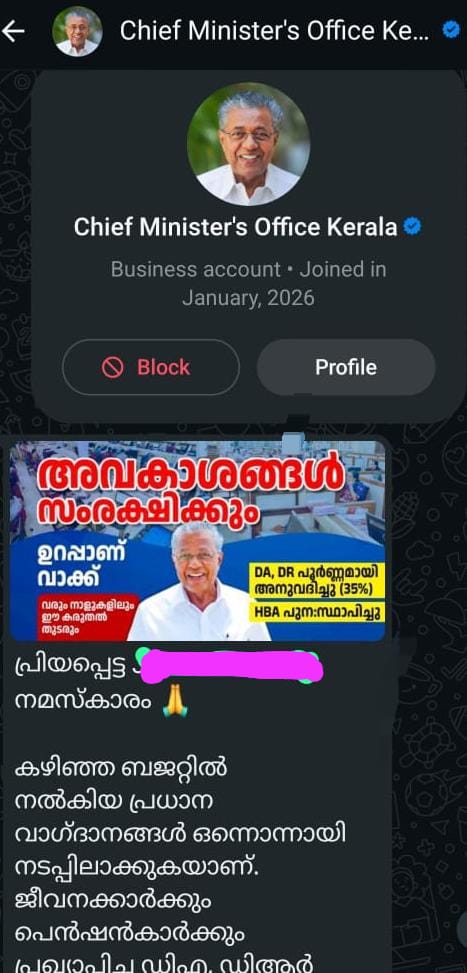
CM’s message to employees
The revised rate applies to state government employees, teachers, staff of aided schools, private colleges and polytechnics, full-time contingent employees, local self-government personnel, part-time teachers, part-time contingent staff based on pay drawn, and re-employed pensioners.
The next day, on 21 February, many state government employees received a personalised WhatsApp message from the CMO.
Addressed to them by name, the message said the government had “completely sanctioned the DA and DR announced for employees and pensioners.”
It outlined phased implementation: a 3 percent increase included in the February salary, received on 1 March, and the remaining 10 percent to be reflected in the March salary, to be received on 1 April, taking the total DA to 35 percent.
The message also referred to the restoration of the Housing Construction Advance scheme and said the government would always stand by employees to protect their welfare and rights.
It ended with a sign-off from Chief Minister Pinarayi Vijayan: “this government always kept its word.”
Many employees first described the outreach as unusual and unexpected. But the focus soon shifted from the DA hike to how the message was delivered.
Critics questioned the need for a direct message from the CMO for a statutory financial decision, alleging that the tone and presentation of the message were political.
“For the first time, a message has been issued in the name of the Chief Minister by allegedly breaching the privacy of employees to influence them ahead of elections. This is a blatant misuse of office,” a leader of a service organisation told South First.
Leader of the Opposition VD Satheesan said the CMO “stole” phone numbers from the SPARK salary database and used them to send promotional messages in the Chief Minister’s name.
He questioned how a system meant for salary disbursal was accessed for political messaging, and said court rulings and existing laws clearly bar the release of personal data without consent.
Satheesan demanded that a criminal case be registered and a thorough investigation carried out, warning of legal action.
UDF election campaign committee chairman Ramesh Chennithala repeated the charge, calling it a grave breach of data privacy and IT laws.
Anilkumar KM, clerical assistant at the Secretariat and treasurer of the Kerala Secretariat Association (KSA), told South First that employees had shared their phone numbers and personal details strictly for official use.
“Personal phone numbers and other information have been handed over to SPARK only for official purposes. The information, which has been kept securely, can only be handled by superior officers, wage determination and distribution managers, the SPARK Project Management Unit of the Finance Department and the PMU for official purposes,” he said.
He said using such data without employees’ consent was a violation of established norms and demanded that the government explain how the CMO accessed the details.
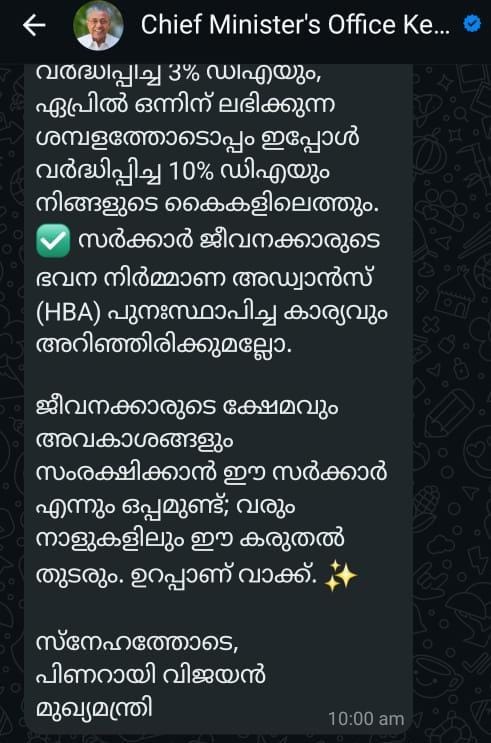
CM’s message to employees
The Kerala NGO Association also sought an explanation. State president AM Jafarkhan and general secretary AP Sunil called the message “a petty and low-level political drama” and accused the government of “stealing” data from SPARK for political gain.
They called for action against those responsible for what they described as a breach of employee privacy.
State president J Mahadevan and general secretary S Rajesh said confidential information from SPARK, the Finance Department’s salary management software, was secretly transferred and used for political outreach.
They demanded a comprehensive investigation and said the episode had damaged trust in the government’s digital systems.
At the same time, All Higher Secondary Teachers’ Association (AHSTA) president S Manoj Sarkar filed a complaint with the ADGP in charge of the Cyber Cell, alleging unlawful data leakage and political misuse ahead of the elections.
The state government has yet to issue an official response.
A group of government employees approached the Kerala High Court on 23 February, alleging large-scale misuse of personal data by the CMO.
In a writ petition, they said the personal details of state government staff, judicial officers and beneficiaries of welfare schemes were accessed without consent. They said they did not know how the data was sourced but suspected it was drawn from SPARK, the state’s e-governance platform that manages human resources and salary data of government employees.
The petition states that, after accessing the data, unsolicited bulk WhatsApp messages were sent to employees and scheme beneficiaries with content that allegedly promoted an election campaign. It further alleges that public funds were used without authorisation to circulate these messages, raising concerns about the use of the public exchequer.
The employees claim that, apart from SPARK data, information collected under various government schemes was consolidated and transmitted to the CMO through the Kerala IT Mission. They allege this was done to compile a comprehensive database for the Chief Minister, who leads a political party contesting the upcoming elections.
According to the plea, messages were sent to personal WhatsApp accounts of government employees and other citizens, including members of the judiciary, to influence public opinion ahead of the polls. It alleges that judges’ details were part of the database accessed.
The petitioners argue that collecting contact numbers without consent violates the right to privacy under Article 21 of the Constitution. They have also invoked the Digital Personal Data Protection Act, 2023, saying the actions amount to unauthorised access and processing of personal data in breach of the law.
They have asked the court to declare that the CMO’s procurement and use of their personal data without consent is illegal and unconstitutional. They have also sought an order restraining the respondents, including Chief Minister Pinarayi Vijayan, from accessing or using citizens’ mobile numbers, email addresses and related data.
In addition, they have sought monetary compensation for the alleged unauthorised access to their personal information.
The matter is listed for hearing on 24 February before Justice Bechu Kurian Thomas.
This is not the first time the LDF government has faced allegations of data privacy violations.
In 2020, at the height of the COVID-19 pandemic, the Opposition objected to the state giving US-based data analytics firm Sprinklr access to the data of COVID-positive patients and those under surveillance, or to any server accessible to the company.
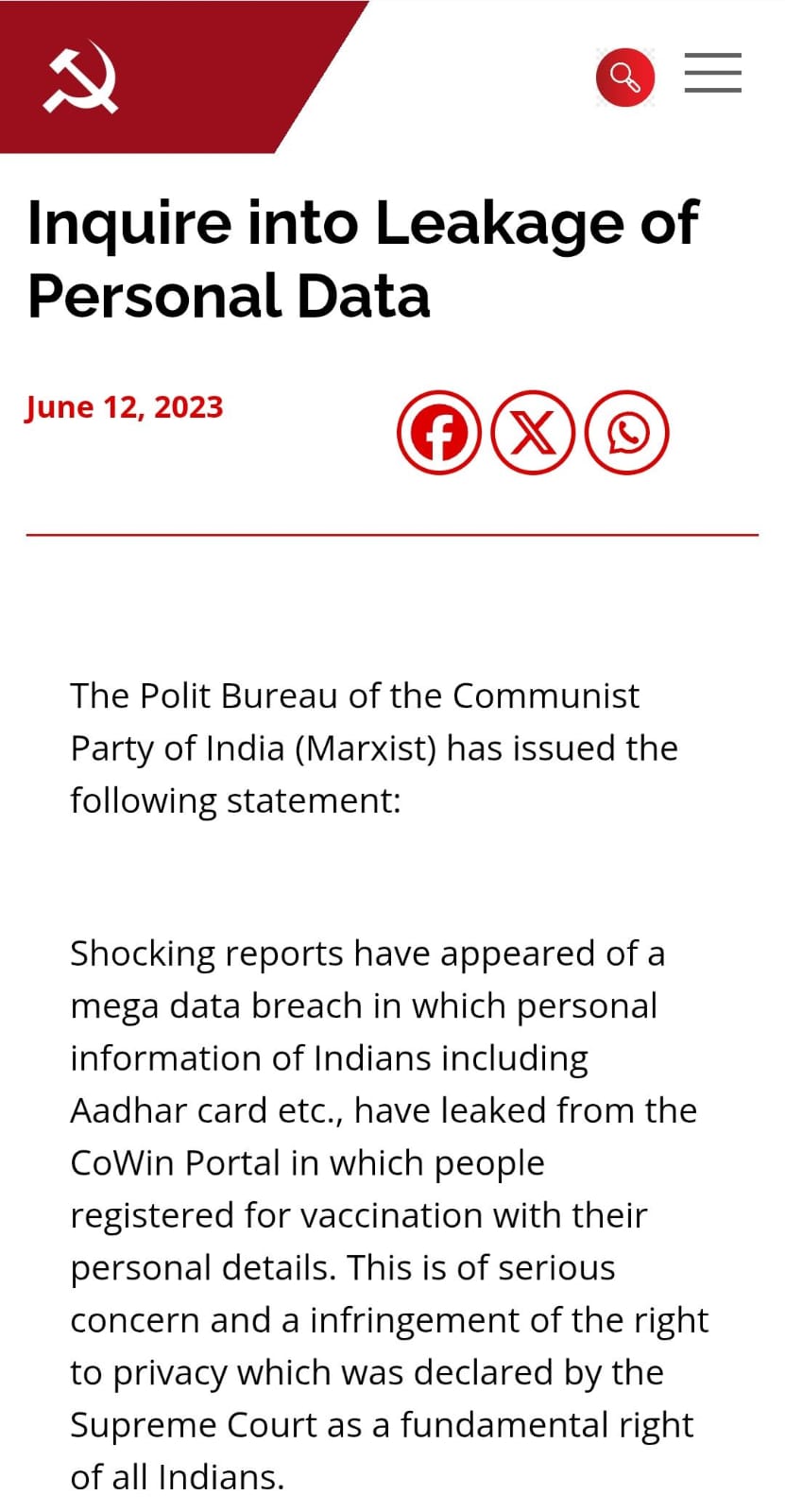
CPI(M) on data privacy in 2023
Critics said sensitive personal information of quarantined and isolated individuals was collected through ward-level field workers without clear statutory backing or informed consent. They said the process lacked legal authority and transparency, and sought compensation for those whose data was allegedly gathered unlawfully.
The state defended the decision, saying Sprinklr was engaged only to use advanced analytics to study the spread and pattern of COVID-19 and help frame an effective containment strategy.
The legal challenge continued for years. In January 2026, the Kerala High Court closed a batch of petitions that questioned the confidentiality and legality of the state’s agreement with the firm for managing pandemic data.
A Division Bench of Chief Justice Soumen Sen and Justice Syam Kumar VM said the unprecedented circumstances during the pandemic justified the government’s decision to an extent, but noted procedural lapses.
The court said the state should have acted with greater caution and explored alternatives such as the National Informatics Centre.


