

Published Apr 06, 2026 | 8:00 AM ⚊ Updated Apr 06, 2026 | 10:23 AM

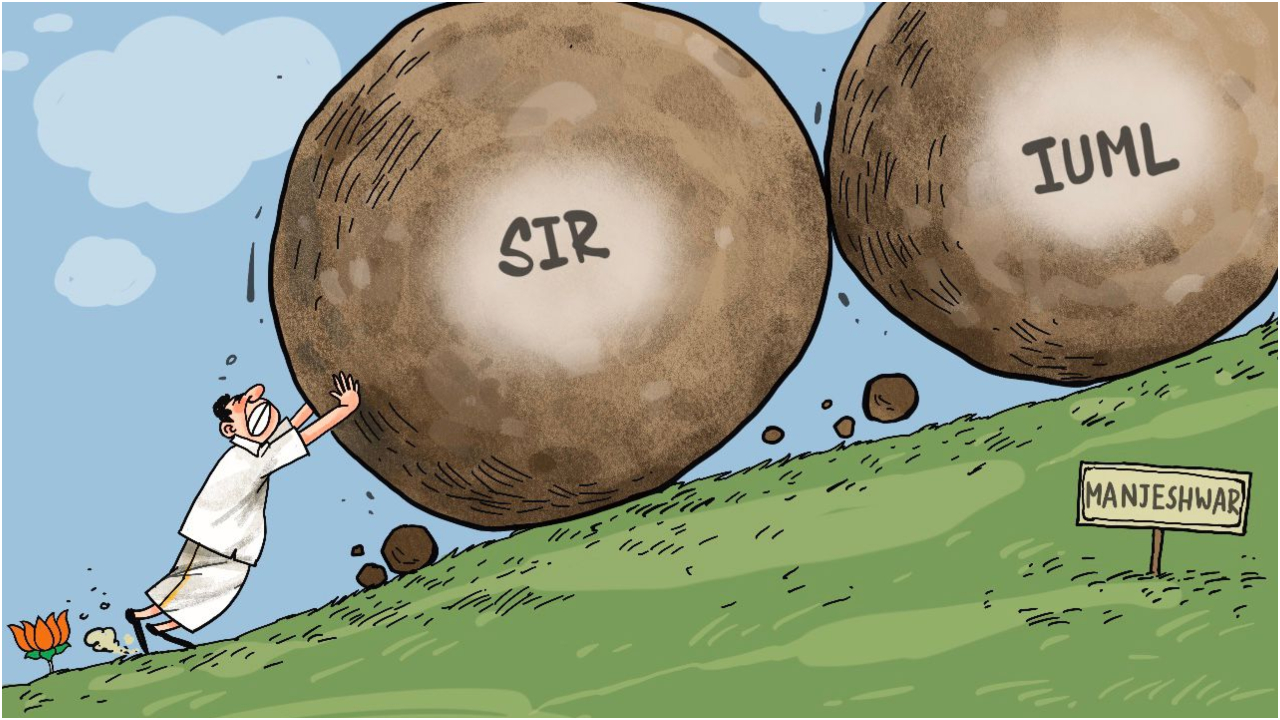
BJP believes the deletions have disproportionately affected its support base, while the additions have benefited IUML.
Synopsis: In Kerala’s Manjeshwar constituency, BJP’s decades-long pursuit remains elusive despite near wins in 1991, 2016, and 2021. The Special Intensive Revision of electoral rolls, alleged deletions of BJP voters, and IUML’s strengthened base have shifted dynamics. With SDPI’s withdrawal and IUML consolidating panchayat control, BJP faces setbacks as IUML’s candidate AKM Ashraf gains wider appeal ahead of May 4.
For BJP, Manjeshwar has long been less of a constituency and more of an unfinished story. Kerala’s northernmost assembly seat, sitting on the Karnataka border has remained one of the party’s most coveted constituencies since 1987, when it first emerged as the second-largest force here.
That was also the year Congress handed the seat to its ally, the IUML and Cherkalam Abdulla took it from LDF. Since then, LDF has mostly remained in third place in Manjeshwar. Strong enough to influence the result but rarely strong enough to seriously threaten for victory.
BJP’s closest brushes with power here have become part of local political folklore.
In 1991, senior BJP leader KG Marar lost to Cherkalam Abdulla by just 1,072 votes. In 2016, K Surendran came even closer, losing to IUML’s PB Abdul Razak by only 89 votes. Razak later purchased a Toyota Innova with ”89” as the registration number- a reminder of just how narrow the margin had been.
In 2021, Surendran lost again, this time to IUML’s AKM Ashraf by 745 votes. Having first contested from Manjeshwar in 2011, Surendran is expected to make his fourth attempt in 2026.
What has kept BJP in the race is not sudden growth but years of patient groundwork.
Surendran built a quiet, door-to-door campaign style and often encouraged the impression that LDF remained a strong player in the constituency. That suited BJP. As more Left-leaning Muslim voters shifted towards LDF, IUML’s margin over BJP narrowed.
An estimated 75-80 percent of Hindu voters are believed to have consolidated behind BJP.
IUML, however, is estimated to get only around 65 percent of the Muslim vote, with the rest going largely to LDF. Of the nearly 40,000 votes polled by LDF in Manjeshwar, around 30,000 are believed to come from Muslims.
For years, that arithmetic worked in BJP’s favour. The more Muslim votes LDF attracted, the better BJP’s chances became in a straight fight against IUML.
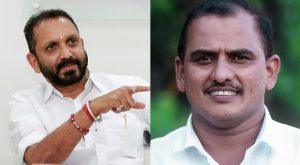
K Surendran and AKM Ashraf
But the Special Intensive Revision (SIR) of the electoral rolls may have complicated that formula.
A local BJP leader told South First that, around 17,000 names were removed from the draft electoral roll in Manjeshwar during the SIR process. Of these, he claimed nearly 11,000 were voters who traditionally backed BJP.
For the saffron party, which has spent decades building its vote bank along the Kerala-Karnataka border and in the shadow of coastal Karnataka – often described as the “laboratory of Hindutva” – the revised rolls have changed the mood.
BJP believes the deletions have disproportionately affected its support base, while the additions have benefited IUML.
For IUML, however, the SIR process has only strengthened confidence. Party planners are reportedly projecting that out of the 20,000 new votes added in the constituency, around 13,000 have gone in favour of IUML, while BJP is believed to have added far fewer than that and is around 3,400.
Meanwhile, SDPI commands nearly 8,000 votes in Manjeshwar. Initially, its decision to field KM Ashraf was seen as favourable to BJP, especially because of the similarity between his name and that of IUML candidate, AKM Ashraf.
However, SDPI has now taken a crucial step by withdrawing its candidate.
Another factor working in favour of IUML candidate is the secular image built around AKM Ashraf. The nomination deposit was paid by the mother of Arjun, who died in the Shiroor landslide. That gesture has created an emotional impact and strengthened his appeal beyond the Muslim vote base, including among some Hindutva-leaning voters.
In February, BJP faced allegations of falsely questioning the citizenship of Muslim voters, with some complaints allegedly linking people like K Mohammed to Pakistan. The Kasaragod District Collector ordered an FIR against BJP district chief S Lokesh Nonda over allegedly false Form 7 complaints seeking the removal of voters from the electoral roll.
While BJP state leadership described it as an isolated technical error and denied any intent to question citizenship, the controversy could still become a setback for the party in this crucial constituency.
The Samastha EK faction is also expected to play a crucial role in the constituency and is likely to back the IUML candidate. Their centenary conference, held at Kuniya last month witnessed the presence of leaders from both Kerala and Karnataka, including the CMs of both states.
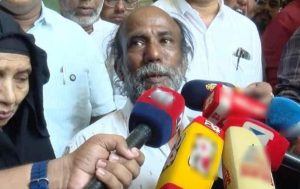
Kasaragod native K Mohammed. (Supplied)
BJP points to its improved performance in the 2025 local body elections across Kasaragod district. The party won five panchayats, including Badiyadka where it tied with UDF and eventually won through a favourable draw.
But Manjeshwar assembly constituency has not mirrored that trend.
The constituency includes Enmakaje, Kumbla, Mangalpady, Manjeshwar, Meenja, Paivalike, Puthige and Vorkady panchayats. All eight panchayats are now ruled by UDF.
BJP won only 36 of the 162 panchayat wards in the constituency, compared to 40 out of 148 wards in 2020. Its winning percentage fell from 27 to 22 percent.
The party also lost its sitting seat in the Puthige division of the Kasaragod district panchayat. Congress candidate Somashekara JS, seen as a popular figure among Kannada-speaking communities won the seat.
Meanwhile, IUML appears to have consolidated further in Manjeshwar, where both Congress and the Left have traditionally had a lighter presence than elsewhere in Kerala.
The League also regained Manjeshwar panchayat, which had gone to independents in 2020.
For decades, Manjeshwar has remained a constituency where BJP always seems close enough to dream, but not close enough to win. The SIR process was worked on more seriously by the IUML at the ground level than by any other party. The party understood its importance and possible consequences early on and took care to address it. Whether that effort has paid off will become clear only on May 4.


